
Techniques for Preventing Mica Powder Caking Through Gentle Shaking During Transportation
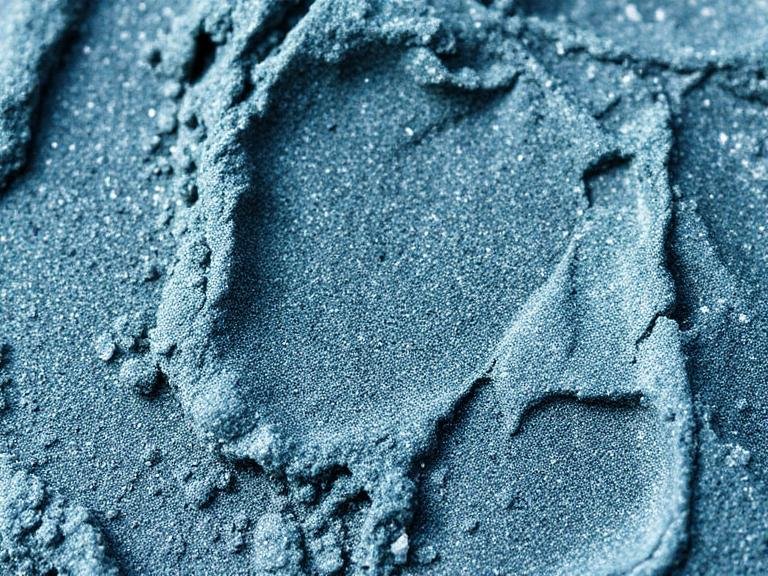
Mica powder, a finely ground material derived from natural mica minerals, is widely used in industries such as cosmetics, paints, and electrical insulation. However, during transportation, mica powder is prone to caking due to factors like moisture absorption, vibration, and pressure. Caking not only affects the quality and usability of the powder but also leads to operational inefficiencies during subsequent processing. Implementing gentle shaking techniques during transit can effectively prevent caking and maintain the free – flowing nature of mica powder.
Understanding the Causes of Mica Powder Caking
Moisture Absorption
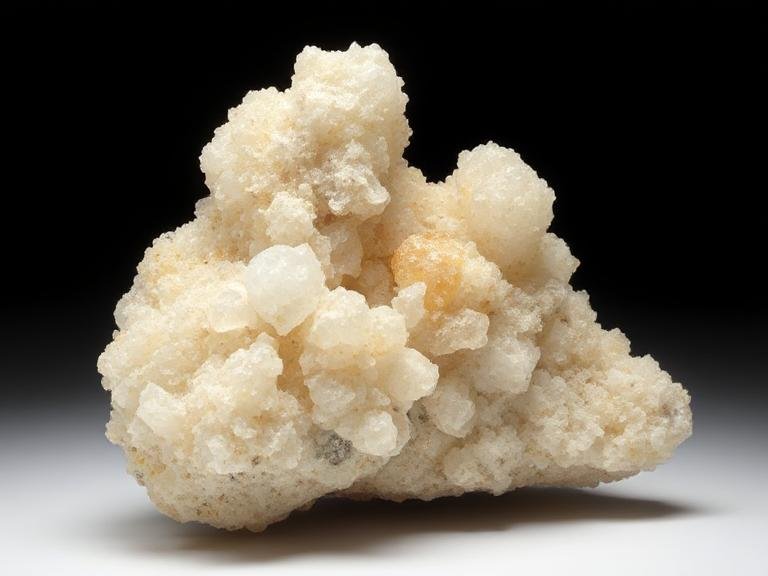
Mica powder has a high affinity for moisture, and when exposed to humid environments during transportation, it can absorb water from the air. This moisture causes the fine particles to stick together, forming lumps or agglomerates. For example, in a study conducted by a materials research institute, mica powder stored in a high – humidity environment for just 24 hours showed a significant increase in caking tendency, with the formation of visible lumps.
The presence of moisture also alters the surface properties of the mica particles, making them more adhesive and prone to aggregation. Even small amounts of moisture can have a substantial impact on the flowability of the powder, highlighting the importance of controlling humidity during transportation.
Vibration and Pressure
During transportation, mica powder is subjected to various forms of vibration, such as those caused by vehicle movement on uneven roads or engine vibrations. These vibrations can cause the particles to come into closer contact with each other, increasing the likelihood of caking. Additionally, the weight of the powder itself, especially when stacked in large quantities, can exert pressure on the lower layers, further promoting particle adhesion.
In a real – world scenario, a mica powder supplier noticed a higher incidence of caking in shipments transported over long distances on rough roads compared to those transported on smoother highways. The increased vibration during the rough – road journey was identified as the primary cause of the caking problem.
Gentle Shaking Techniques for Caking Prevention
Mechanical Shaking Devices
One effective way to prevent mica powder caking during transportation is by using mechanical shaking devices. These devices can be installed in transport vehicles, such as trucks or shipping containers, and are designed to generate controlled vibrations that gently shake the powder. The vibrations help to break up any initial agglomerates and prevent the formation of new ones by keeping the particles in constant motion.
Mechanical shaking devices can be adjusted to different frequencies and amplitudes depending on the characteristics of the mica powder and the transportation conditions. For instance, a lower frequency and amplitude may be suitable for fine – grained mica powder to avoid excessive particle breakage, while a higher frequency and amplitude may be needed for coarser powders to ensure effective agitation. In a pilot study, the use of a mechanical shaking device in a mica powder transport truck reduced the caking rate by 40% compared to non – shaken shipments.
Manual Shaking Methods
In situations where mechanical shaking devices are not available, manual shaking methods can be employed. This involves periodically stopping the transport vehicle and manually shaking the containers holding the mica powder. Workers can use tools such as long rods or shovels to gently agitate the powder from the outside of the containers, breaking up any lumps that may have formed.
Manual shaking should be done with care to avoid damaging the containers or causing the powder to spill. It is important to shake the containers in a rhythmic and consistent manner to ensure uniform agitation of the powder. For example, in a small – scale mica powder transportation operation, workers were trained to shake the drums containing the powder every two hours during a long – distance journey. This simple manual method helped to maintain the flowability of the powder and reduce caking.
Optimizing Shaking Frequency and Duration
The frequency and duration of shaking are crucial factors in preventing mica powder caking. If the shaking is too infrequent or of short duration, it may not be effective in breaking up agglomerates or preventing their formation. On the other hand, excessive shaking can lead to particle attrition, generating fine dust and potentially affecting the quality of the powder.
The optimal shaking frequency and duration depend on several factors, including the type of mica powder, the transportation distance, and the environmental conditions. As a general guideline, for medium – distance transportation (e.g., 100 – 500 miles), shaking the powder every 1 – 2 hours for 5 – 10 minutes may be sufficient. For longer journeys, more frequent shaking or longer shaking durations may be necessary. It is also advisable to conduct trials under different conditions to determine the most effective shaking parameters for a specific mica powder product.
Additional Measures to Complement Gentle Shaking
Proper Packaging
Using appropriate packaging materials can also help prevent mica powder caking during transportation. Packaging should be designed to minimize moisture ingress and provide adequate protection against vibration and pressure. For example, using moisture – resistant bags or containers with airtight seals can reduce the amount of moisture absorbed by the powder.
Additionally, the packaging should be filled to an appropriate level to avoid excessive empty space, which can cause the powder to shift and agglomerate during transportation. However, it is also important not to overfill the containers, as this can increase the pressure on the powder and promote caking. A good rule of thumb is to fill the containers to about 80 – 90% of their capacity.
Environmental Control
Controlling the environmental conditions during transportation is essential for preventing mica powder caking. This includes monitoring and regulating the temperature and humidity levels inside the transport vehicle. As mentioned earlier, high humidity can accelerate caking, so using dehumidifiers or ventilation systems can help maintain a dry environment.
Similarly, extreme temperatures can also affect the properties of the mica powder and increase the risk of caking. For example, high temperatures can cause the powder to become more sticky, while low temperatures can make it more brittle and prone to breakage. Therefore, it is important to ensure that the transport vehicle is properly insulated and equipped with temperature – control systems if necessary.
By implementing gentle shaking techniques and complementing them with proper packaging and environmental control measures, mica powder manufacturers and transporters can effectively prevent caking during transportation, ensuring the quality and usability of the product upon arrival at its destination.