
Sealing Requirements for Lithium Mica Ore Transportation to Prevent Component Volatilization
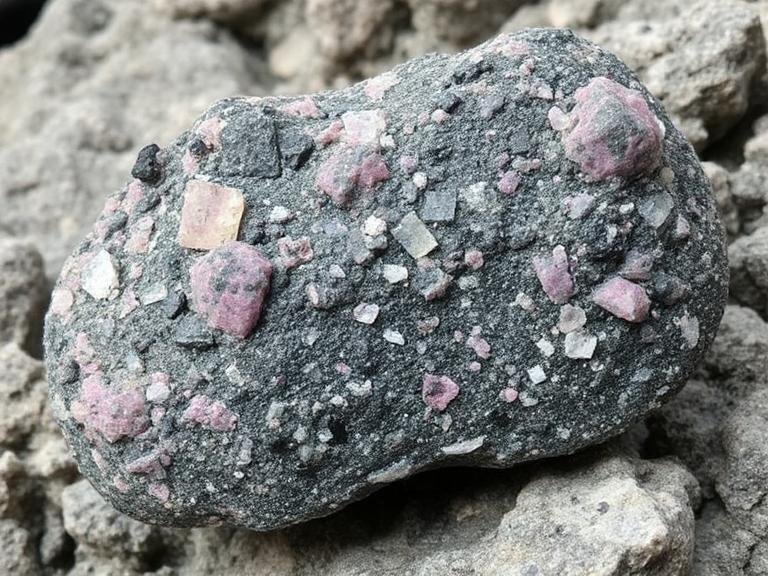
Lithium mica ore, a crucial raw material for extracting lithium and its compounds, is widely used in industries such as battery manufacturing, glass, and ceramics. During transportation, ensuring the integrity of the ore’s components is vital to maintain its quality and value. This article delves into the sealing requirements for lithium mica ore transportation to prevent component volatilization.
Understanding the Volatility Risks of Lithium Mica Ore Components
Lithium mica ore contains various components, including lithium oxide, potassium oxide, and other trace elements. Some of these components, particularly lithium and potassium compounds, are prone to volatilization under certain conditions. For instance, high temperatures and prolonged exposure to air can accelerate the volatilization process, leading to a reduction in the ore’s lithium content and overall quality.
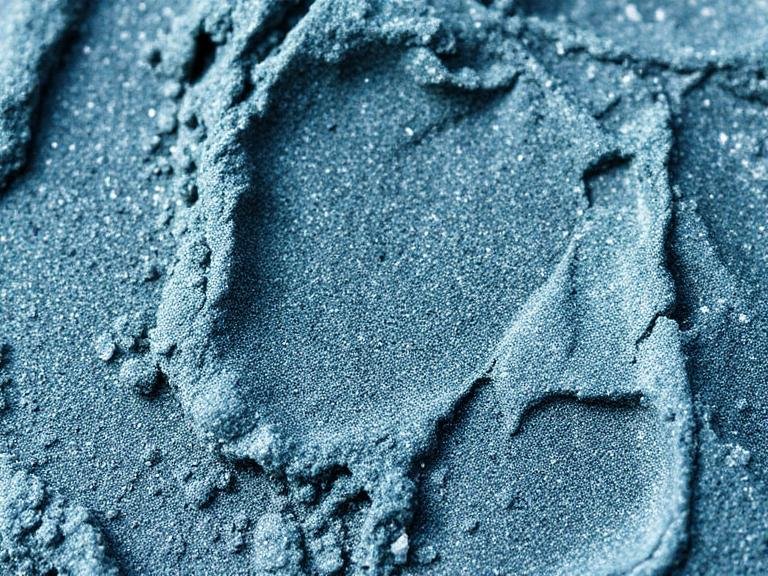
Moreover, the physical structure of lithium mica ore, often in a fine powder or granular form, increases its surface area, making it more susceptible to environmental factors that promote volatilization. Therefore, implementing effective sealing measures during transportation is essential to mitigate these risks.
Key Sealing Requirements for Lithium Mica Ore Transportation Containers
Material Selection for Sealing Layers
The choice of sealing materials plays a pivotal role in preventing component volatilization. Containers used for transporting lithium mica ore should feature multiple sealing layers to create a robust barrier against external elements. The innermost layer should be made of a material with excellent chemical resistance and low permeability to gases, such as high-density polyethylene (HDPE) or polypropylene (PP). These materials effectively prevent the escape of volatile components while also resisting chemical reactions with the ore.
The middle layer can incorporate a desiccant or moisture-absorbing material to control humidity levels within the container. Excess moisture can not only accelerate volatilization but also lead to caking or agglomeration of the ore, affecting its flowability and usability. By maintaining a dry environment, the middle layer helps preserve the ore’s physical properties.
The outermost layer should be durable and impact-resistant to protect the inner layers from physical damage during transportation. Materials like corrugated cardboard or reinforced plastic can serve this purpose effectively, providing an additional layer of defense against external forces.
Design Considerations for Sealing Mechanisms
In addition to material selection, the design of the sealing mechanisms is equally important. Containers should feature tight-fitting lids or covers that can be securely fastened to prevent air leakage. Gasket seals made of silicone or other elastic materials can be used to create an airtight seal between the lid and the container body. These seals should be designed to withstand vibrations and shocks during transportation without compromising their integrity.
For large-scale transportation, such as in tanker trucks or railcars, specialized sealing devices like pressure-relief valves or vacuum seals may be necessary. Pressure-relief valves allow for the controlled release of gases that may build up inside the container due to volatilization, preventing excessive pressure that could damage the container or cause leaks. Vacuum seals, on the other hand, create a negative pressure environment inside the container, further reducing the likelihood of volatilization by minimizing the presence of air.
Environmental Control During Transportation
While proper sealing is crucial, controlling the environmental conditions during transportation is equally important. Containers should be stored in a cool, dry place away from direct sunlight and heat sources. High temperatures can accelerate volatilization, so it’s essential to minimize exposure to heat. If possible, transportation should be scheduled during cooler times of the day or in regions with milder climates.
Additionally, monitoring the temperature and humidity levels inside the containers during transportation can provide valuable insights into the effectiveness of the sealing measures. Data loggers or sensors can be installed to continuously track these parameters, allowing for timely adjustments if necessary. For example, if the temperature inside the container rises above a certain threshold, corrective actions like adding ice packs or adjusting the ventilation can be taken to prevent volatilization.
Best Practices for Ensuring Effective Sealing During Lithium Mica Ore Transportation
Regular Inspection and Maintenance of Sealing Components
Before each transportation, it’s essential to inspect the sealing components of the containers for any signs of wear or damage. Gaskets, seals, and lids should be checked for cracks, tears, or deformations that could compromise their sealing ability. Any damaged components should be replaced immediately to ensure a tight seal.
Regular maintenance of the containers, including cleaning and lubrication of moving parts, can also help prolong their lifespan and maintain their sealing effectiveness. Accumulated dust or debris on the sealing surfaces can prevent a proper seal, so regular cleaning is necessary to remove any contaminants.
Training for Transportation Personnel
Transportation personnel should receive proper training on the importance of sealing and the correct procedures for sealing lithium mica ore containers. They should be familiar with the different types of sealing materials and mechanisms used and know how to inspect and maintain them. Additionally, training on environmental control measures during transportation, such as temperature and humidity management, can help ensure that the ore is transported under optimal conditions.
Collaboration with Logistics Providers
Collaborating closely with logistics providers is essential to ensure that the sealing requirements are met throughout the transportation process. Logistics providers should be informed about the specific sealing needs of lithium mica ore and the potential risks of component volatilization. They can then take appropriate measures, such as selecting suitable transportation modes and routes, to minimize these risks.
Regular communication between the shipper and the logistics provider can also help address any issues that may arise during transportation promptly. For example, if there are delays or unexpected changes in the transportation schedule, the shipper can provide guidance on how to adjust the sealing or environmental control measures accordingly.