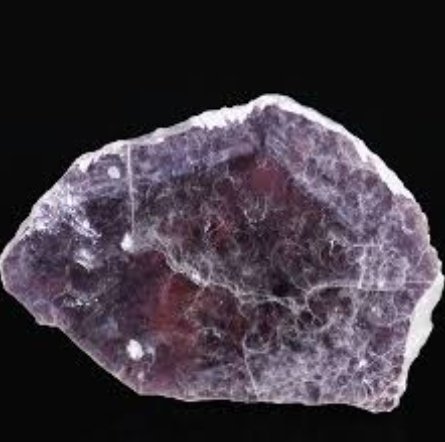

Mica Pigment Anti-Fading Guide: How to Protect Your Colors from Light Damage
Mica pigments are gorgeous — that shimmer, that depth, that almost liquid quality under light. But here’s the thing nobody tells you upfront: they are brutally sensitive to UV exposure. The metal oxide coatings on mica flakes, especially titanium dioxide layers, start breaking down the moment they meet direct sunlight. Within 30 days of sun exposure, gloss can drop 20 to 30 percent, and color shift becomes visible to the naked eye (delta E greater than 5). That’s not a subtle change. That’s your painting or coating looking dull and off-tone.
So how do you actually keep mica pigments looking sharp? Let’s break it down.
Why Mica Pigments Fade Under Light
The culprit is the thin-film interference structure. Mica-based pearlescent and interference pigments work because light bounces off layered metal oxide coatings — usually titanium dioxide — deposited on mica platelets. When UV radiation hits these coatings, it triggers a chemical shift. Rutile-type titanium dioxide can convert back, the crystal structure distorts, and the interference effect collapses. You lose the pearlescence. You lose the shimmer. You’re left with a flat, lifeless pigment.
Even slow, ambient oxidation matters. Under ideal storage, mica pigments lose roughly 5 percent of their gloss per year. That sounds small until you realize it compounds over time, especially in artworks meant to last decades.
Proper Storage Conditions That Actually Work
Temperature, humidity, and light — these three factors control everything. Industry standards from functional pigment storage guidelines point to a sweet spot of 15 to 25 degrees Celsius. Go above 30 degrees and the metal oxide coatings start oxidizing fast — you’ll see yellowing in titanium dioxide layers. Drop below 5 degrees and the packaging itself becomes brittle, risking seal failure.
Humidity must stay at or below 60 percent relative humidity. Mica’s layered structure absorbs moisture, and when water creeps between the coating and the substrate, you get delamination — clumping, loss of gloss, and irreversible damage. Fine particle pigments under 10 micrometers are two to three times more sensitive to humidity than coarse grades, so handle them with extra care.
Keep storage spaces ventilated. Stale air traps moisture. Use mechanical ventilation or silica gel desiccants in breathable pouches — never let desiccant touch the pigment directly.
Packaging Matters More Than You Think
The packaging is your first line of defense. Keep mica pigments in their original sealed state — aluminum foil bags with vacuum sealing are the gold standard. Oxygen transmission rate should be under 0.5 cubic centimeters per square meter per 24 hours per atmosphere, and moisture transmission under 0.1 grams per square meter per 24 hours.
Once opened, transfer immediately to a sealed polyethylene container with a tight lid. Do not use metal containers — metal ions can react with the coating. Never leave pigment exposed to air for more than two hours. Lab data shows that four hours of open exposure lets the pigment absorb 3 to 5 percent moisture, enough to cause light clumping.
Use opaque packaging only. Transparent plastic bottles let through over 80 percent of UV light. Aluminum foil bags or black polyethylene containers are the way to go. If you must use clear containers, wrap them in black material or store them in a completely dark space.
The Light Exposure Problem No One Talks About
Store mica pigments in a dark warehouse. Black light-blocking cloth over shelving is not optional — it’s essential. The metal oxide coatings on mica are among the most UV-sensitive materials in the pigment world. Sunlight for just 30 days can knock gloss down by a quarter or more.
This applies to finished work too. In painting, always seal mica pigment layers with a clear varnish once the piece is dry. The varnish locks in the flakes and blocks oxygen and UV from reaching the surface. For murals and outdoor applications, use UV-resistant acrylic mediums or epoxy coatings as a top layer.
In cosmetics and personal care, mica is generally safe, but improper removal can leave residue in skin folds or near the eyes. Always remove thoroughly, and never use mica-based products near mucous membranes without proper formulation safeguards.
Handling Tips to Preserve Shimmer During Use
When mixing mica pigments into paint, plastic, or other media, control your shear force. High-speed mixing or prolonged stirring shatters the thin platelets, and broken flakes mean lost luster. Use low-shear dispersion —锯齿涡轮 high-speed dispersers at 15 to 22 meters per second line speed for 20 to 30 minutes work well. Keep temperatures under 50 to 60 degrees Celsius during mixing.
Avoid combining mica pigments with opaque pigments. The whole point of mica is its optical interference — opaque colors kill that effect and make the finish look flat.
In fine art practice, mica powder settles fast because it’s heavier than water. Stir constantly during use. When applying to a surface, use the glazing method — mix mica into a small amount of glue or size, apply as a thin transparent layer over a dried base color. This gives you that luminous, depth-filled glow without burying the color underneath.
For sifting applications, use a bamboo tube fitted with iron mesh or gauze. Shake it over the glued area for an even, natural fall. The blow-off method works too — place mica powder on white paper, hold it above the wet surface, and blow gently. The flakes drift down like snow.
One more thing: mica looks almost transparent when wet and becomes highly opaque when dry. If you want a subtle glaze, dial back the powder-to-binder ratio carefully, or you’ll lose your underpainting entirely.