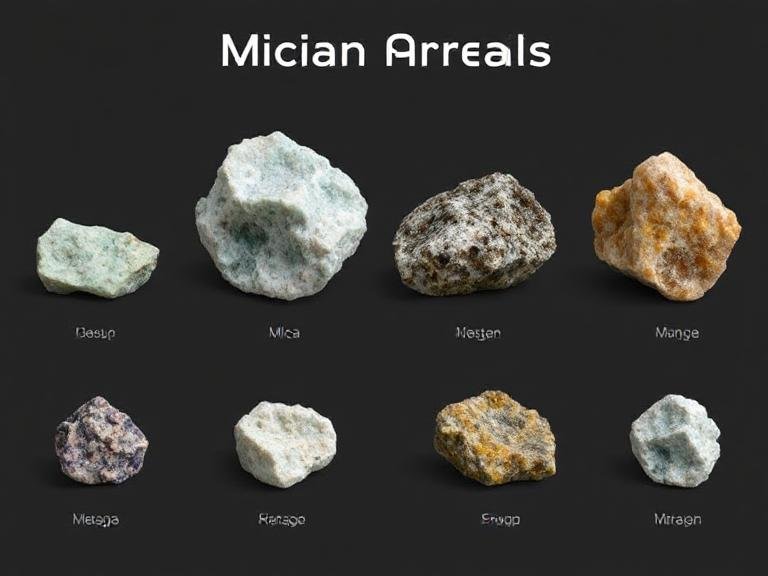

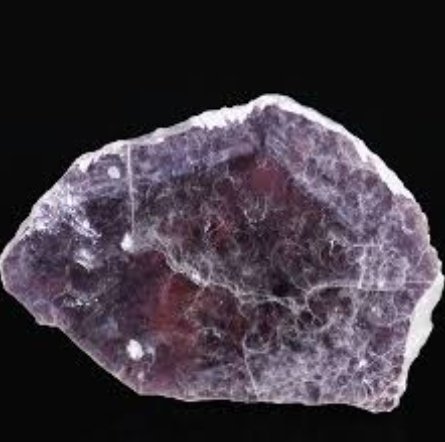
Mica Glass Cleaning and Anti-Corrosion Reagent Use: What Goes Wrong and How to Get It Right
Cleaning mica glass sounds like the easiest task in the world. Wipe it down, move on. Except it is not that simple. Mica glass has a layered silicate structure that reacts badly to the wrong chemicals. A cleaning agent that works perfectly on regular glass can eat through mica glass in minutes. Anti-corrosion reagents that protect metal will dissolve mica binders on contact. The damage is usually invisible at first — no cracks, no discoloration, no obvious failure. But the surface degrades, the dielectric strength drops, and months later the component fails during operation. Getting cleaning and reagent selection right is not about being careful. It is about knowing exactly what attacks mica glass and avoiding those materials entirely.
Why Mica Glass Reacts So Badly to the Wrong Chemicals
The Layered Structure Is Both a Strength and a Weakness
Mica glass is not a uniform solid. It is a stack of silicate sheets held together by interlayer ions — potassium, sodium, lithium, or magnesium depending on the grade. Those ions are the glue. Remove them, and the layers peel apart. Dissolve them, and the glass loses its structural integrity.
Most cleaning agents work by breaking chemical bonds. Alkaline cleaners attack silicate bonds. Acidic cleaners dissolve interlayer ions. Solvent-based cleaners can swell or dissolve organic binders in composite mica glass. What looks like a clean surface after wiping is often a surface that has lost its interlayer bonding, its binder adhesion, or its dielectric coating.
The damage does not show up immediately. A mica glass sheet that was cleaned with the wrong reagent can look perfect for weeks. Then it delaminates under thermal stress, or its insulation resistance drops during operation, or it cracks along the cleavage planes. By then, the cleaning mistake is buried under months of normal-looking service.
Surface Energy Makes Mica Glass Sensitive to Residue
Mica glass has a low surface energy compared to regular glass. This means contaminants stick to it more stubbornly, but it also means cleaning residues stick even more stubbornly. A film of cleaning agent left on the surface after wiping becomes a permanent contaminant layer that attracts moisture and accelerates corrosion.
This is why rinsing matters more than the cleaning step itself. The cleaning agent does the work. The rinse removes the agent and everything it lifted off the surface. Skip the rinse, and you have just deposited a thin chemical film on the most sensitive surface in your equipment.
Choosing Cleaning Agents That Do Not Attack Mica Glass
Water-Based Cleaners Are Usually the Safest Starting Point
For routine cleaning of mica glass surfaces, deionized water with a mild non-ionic surfactant works in most cases. The surfactant reduces surface tension so the water can wet the mica surface and lift dust and particulate matter without chemical attack.
The key word is mild. Non-ionic surfactants do not carry a charge, so they do not interact with the interlayer ions in mica. Anionic surfactants can exchange with potassium or sodium ions in the mica lattice and slowly leach them out. Cationic surfactants deposit a positively charged film that attracts moisture and creates corrosion sites. Stick to non-ionic formulations with a pH between 6 and 8.
Do not use tap water. The dissolved minerals in tap water — calcium, magnesium, iron, chloride — leave deposits on mica glass that are nearly impossible to remove completely. Those deposits become nucleation sites for corrosion and moisture accumulation. Every cleaning operation should use deionized water with a resistivity above 18 megohm-centimeters.
Isopropyl Alcohol Works for Light Contamination
When mica glass has light oily contamination — fingerprints, light machine oil mist, or dust mixed with grease — isopropyl alcohol at 70 to 99 percent concentration works well. It evaporates quickly, leaves no residue, and does not attack the silicate structure.
Do not use acetone or methyl ethyl ketone on mica glass. These solvents dissolve organic binders in composite mica glass and can cause swelling or softening of any polymer coatings on the surface. Even brief contact can weaken the binder layer permanently. If you need a stronger solvent for heavy grease, test it on a scrap piece of the same mica glass grade first. Wait 24 hours and check for any change in surface appearance, flexibility, or dielectric strength before using it on production parts.
Avoid Alkaline Cleaners Entirely
Sodium hydroxide, potassium hydroxide, and most industrial alkaline cleaners attack mica glass aggressively. The hydroxide ions break the silicate bonds in the mica lattice and dissolve the interlayer cations. Even dilute solutions below 1 percent concentration can cause measurable surface damage after repeated exposure.
A single wipe with an alkaline cleaner might not look like much. But alkaline residues left on the surface continue reacting with the mica for hours after cleaning. The surface becomes etched, the dielectric strength drops, and the mica becomes more susceptible to moisture attack. Never use alkaline cleaners on mica glass unless the manufacturer explicitly approves the specific formulation for that grade.
Acidic Cleaners Are Equally Dangerous
Hydrochloric acid, sulfuric acid, phosphoric acid, and most mineral acids dissolve the interlayer ions in mica glass. The acid strips potassium, sodium, or lithium from between the silicate sheets, causing the layers to separate. Even weak acids like citric acid or acetic acid can cause measurable ion leaching over repeated use.
The only exception is dilute hydrofluoric acid, which is sometimes used in glass etching. But hydrofluoric acid is extremely hazardous and should never be used on mica glass in any field or maintenance setting. The risk of severe burns and toxic fume exposure far outweighs any cleaning benefit.
If you must remove mineral deposits or scale from mica glass, use a chelating agent like EDTA at very low concentration (below 0.5 percent) with a pH between 4 and 5. Limit contact time to under 30 seconds and rinse thoroughly with deionized water immediately after.
Anti-Corrosion Reagent Use on Mica Glass Surfaces
When Anti-Corrosion Treatment Is Actually Needed
Mica glass itself does not corrode the way metal does. The silicate lattice is chemically stable in most environments. The real corrosion risk comes from the metal components attached to the mica glass — copper windings, steel clamps, aluminum terminals — and from moisture that reaches the mica-metal interface.
Anti-corrosion reagents are needed at the metal-mica interface, not on the mica surface itself. Applying a corrosion inhibitor directly to mica glass is usually a mistake. The reagent does not bond to the silicate surface, it traps moisture against it, and it creates a conductive film that reduces dielectric strength.
The only time you apply an anti-corrosion reagent directly to mica glass is when the glass is part of a composite assembly that includes metal, and the reagent is specifically formulated to protect the metal without attacking the mica. Even then, mask the mica surface before applying the reagent. Use Kapton tape or silicone masking to cover every mica surface that should not contact the chemical.
Silane-Based Reagents Work Best for Metal Protection Near Mica
Silane coupling agents form a molecular bridge between metal surfaces and protective coatings. They do not attack mica glass and they do not leave conductive residues. When you need to protect copper or steel components that are in direct contact with mica glass, use a silane-based primer before applying the main anti-corrosion coating.
The silane bonds to the metal surface and creates a hydrophobic barrier that repels moisture. It does not bond to mica, so any overspray on the mica surface can be wiped off with deionized water before it dries. This makes silane reagents far safer than oil-based or wax-based corrosion inhibitors, which leave residues that are difficult to remove from mica surfaces.
Apply silane reagents in thin, even coats. A thick coat drips, runs, and pools on horizontal mica surfaces. The pooled material traps moisture and creates a localized corrosion cell. Thin coats dry uniformly and provide consistent protection without creating traps.
Avoid Oil-Based and Wax-Based Corrosion Inhibitors on Mica
Oil-based corrosion inhibitors are common in metal protection but they are terrible for mica glass. Oils do not evaporate. They leave a permanent film that attracts dust, traps moisture, and reduces dielectric strength. Wax-based inhibitors are slightly better because they can be removed with solvent, but the solvent removal process risks damaging the mica surface.
If you must use an oil-based inhibitor near mica glass, apply it only to the metal parts. Mask the mica surfaces completely. Use a brush for precise application rather than a spray, which creates overspray that lands on mica surfaces you did not intend to coat.
After applying any oil-based or wax-based inhibitor, inspect the mica surfaces for any contamination. Even a thin film of oil on mica glass reduces its surface resistance by orders of magnitude. Wipe any contamination immediately with isopropyl alcohol and a lint-free cloth.
Cleaning Procedures That Protect Mica Glass Integrity
The Two-Step Clean Is the Only Safe Approach
Step one: clean with the appropriate agent. Step two: rinse with deionized water. Step three: dry with clean, oil-free compressed air or lint-free cloths. That is it. Three steps. No shortcuts.
The rinse step removes every trace of cleaning agent and every particle that was lifted from the surface. Skipping the rinse is the single most common mistake in mica glass cleaning. The cleaning agent does its job, lifts the dirt, and then dries on the surface. What you think is a clean mica glass sheet is actually a chemically contaminated one.
Use fresh deionized water for every rinse. Do not recycle rinse water. The water picks up dissolved ions from the mica surface and becomes a mild etchant after the first pass. Reusing it means you are rinsing with a weak acid or alkaline solution, depending on what was in the cleaning agent.
Drying Is Where Hidden Damage Happens
Wet mica glass is more vulnerable to chemical attack than dry mica glass. Water molecules open up the silicate structure slightly, making it more reactive. If you leave mica glass wet after cleaning, any residual cleaning agent continues reacting with the surface for hours.
Dry immediately after rinsing. Use oil-free compressed air at low pressure — high pressure can force water into the interlayer spaces, which is exactly where you do not want it. Follow the air blow with a lint-free cloth to remove any remaining moisture. The cloth should be clean enough that it leaves no fibers on the surface. Cotton rags shed fibers that stick to mica glass and are almost impossible to remove completely.
Do Not Use Abrasive Materials
No steel wool. No scouring pads. No abrasive powders. Mica glass cleaves along its layered structure. Any mechanical abrasion creates micro-cracks along the cleavage planes that are invisible to the naked eye but become failure points under thermal or electrical stress.
Use only soft, lint-free cloths or non-abrasive sponges. For stubborn contamination that will not release with mild surfactant, soak the mica glass in the cleaning solution for 10 to 15 minutes instead of scrubbing. The soak time lets the chemistry do the work without mechanical damage.
Common Mistakes That Destroy Mica Glass During Cleaning
Using the Same Cleaning Protocol as Regular Glass
This is the mistake I see most often. Someone cleans mica glass with the same Window cleaner they use on office windows. The ammonia in the glass cleaner attacks the mica lattice. The fragrance oils leave a conductive film. The color dyes stain the surface permanently.
Mica glass is not regular glass. It requires its own cleaning protocol, its own dedicated cloths, its own storage area for cleaning supplies. Do not share cleaning materials between mica glass and any other surface. Cross-contamination is silent and cumulative.
Cleaning Hot Surfaces
Never clean mica glass when it is hot. Thermal shock from cold cleaning water on a hot mica surface creates internal stress that cracks the layers. Wait until the surface temperature drops below 40 degrees Celsius before applying any liquid.
Hot surfaces also cause cleaning agents to evaporate too quickly, leaving concentrated residues. The residue is more aggressive than the diluted solution you intended to use. Cool first, clean second, every single time.
Ignoring the Environment During Cleaning
Cleaning mica glass in a dusty workshop defeats the purpose. Dust settles on the wet surface before it dries and becomes permanently bonded. Clean mica glass in a clean, dust-controlled area. If that is not possible, cover the surrounding area with plastic sheeting and turn off any fans that might blow dust onto the wet surface.
Humidity during cleaning is another hidden variable. Cleaning mica glass in an environment above 60 percent relative humidity means the surface re-absorbs moisture within minutes of drying. The cleaning operation becomes pointless because the surface is wet again before you finish the next step.
Storage After Cleaning
Clean Mica Glass Gets Contaminated Again Within Hours If Stored Wrong
A freshly cleaned mica glass sheet stored on an open shelf in a workshop will collect dust, oil mist, and moisture within hours. The cleaning effort is wasted.
Store cleaned mica glass in sealed polyethylene bags with fresh desiccant packets. Squeeze out as much air as possible before sealing. The desiccant keeps the internal atmosphere dry. The bag keeps dust and vapor out. Use the sheet within 48 hours of opening the bag. After that, the surface starts re-contaminating.
Handle Clean Sheets With Gloves From This Point Forward
From the moment the mica glass comes out of the cleaning process, it should never touch bare hands again. Skin oils deposit a film that attracts moisture and reduces dielectric strength. Use clean nitrile gloves for every handling step after cleaning. Change gloves frequently — a glove that has touched anything other than clean mica glass is contaminated.
Re-Test Before Installation
Run a quick insulation resistance test on every cleaned mica glass sheet before installation. Use a megohmmeter at 500V or 1000V DC. If the reading is below the minimum acceptable threshold, the cleaning process damaged the surface. Re-clean or replace the sheet. Do not install it and hope for the best.