
Lithium Mica Storage: How to Keep Lithium Content From Slowly Disappearing
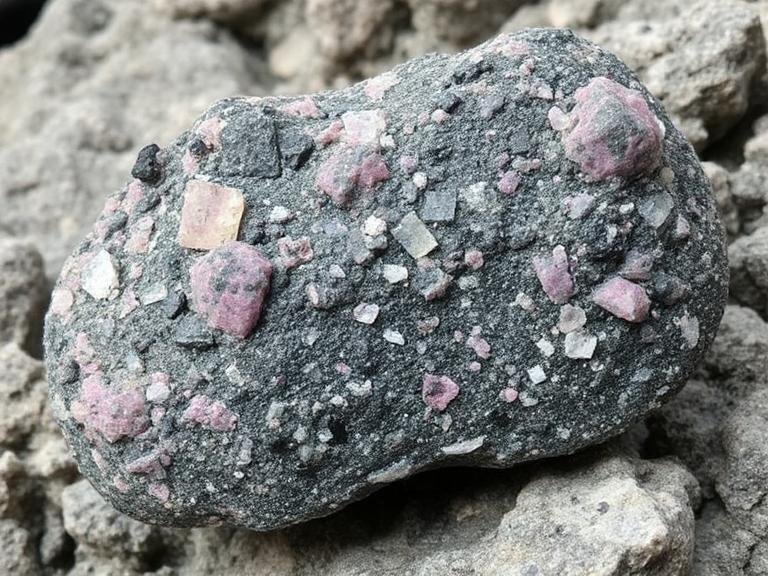
Lithium mica sits in your warehouse looking harmless. It is just rock, right? Wrong. Every day that material sits exposed to air, moisture, or temperature swings, lithium ions are migrating out of the crystal structure. Not dramatically — not overnight. But steadily. Six months later, your assay comes back low and you are left wondering what happened. The lithium did not vanish into thin air. It leached, oxidized, or carbonated during storage. The good news is that this loss is almost entirely preventable if you understand the chemistry and build your storage protocol around it.
Why Lithium Mica Loses Lithium During Storage
Moisture Is the Number One Lithium Killer
Lithium mica contains lithium ions locked between silicate layers. Those ions are not permanently fixed — they can exchange with hydrogen ions when water is present. Every time moisture touches the surface, a tiny amount of lithium dissolves into the water film and gets carried away.
This process is slow at room temperature but it never stops. In humid environments above 60 percent relative humidity, lithium loss can reach 2 to 5 percent over six months. In tropical climates without climate control, losses above 10 percent in a year are not unusual. The worst part is that you cannot see it happening. The mica looks the same. The color does not change. The weight barely shifts. But the lithium content drops steadily.
Acid rain and acidic atmospheric pollutants accelerate this process dramatically. Sulfur dioxide and nitrogen oxides dissolve in surface moisture to form weak acids that attack the mica lattice much faster than pure water. A warehouse near an industrial zone can lose lithium three to five times faster than one in a clean rural area.
Carbon Dioxide Steals Lithium Too
Most people forget about carbon dioxide. It is invisible and seemingly harmless, but it reacts with lithium mica over time. CO2 dissolves in any available moisture and forms carbonic acid. That acid attacks the mica surface and leaches lithium out as lithium carbonate.
The reaction is slow but relentless. In poorly ventilated storage areas where CO2 accumulates — think sealed containers or underground storage — lithium loss from carbonation can match or exceed loss from simple moisture exposure. This is why sealed storage without desiccant is actually worse than open storage in a dry climate.
Thermal Cycling Opens the Door to Everything
Every heating and cooling cycle expands and contracts the mica lattice. The expansion is tiny — mica does not move much thermally. But the binder materials, surface coatings, and any organic contaminants on the surface expand significantly. This mismatch creates micro-cracks at the surface.
Those micro-cracks expose fresh lithium-bearing material to air and moisture. The cracks also trap moisture against the fresh surface, creating localized hotspots for leaching. Over hundreds of cycles, the cumulative effect is substantial. A warehouse that swings between 5 degrees Celsius at night and 35 degrees Celsius during the day will see faster lithium loss than one held at a steady 20 degrees Celsius, even if the average humidity is identical.
Storage Conditions That Actually Preserve Lithium Content
Humidity Control Is Non-Negotiable
Keep relative humidity below 45 percent. That is the target. Below 40 percent is better. Above 50 percent, lithium leaching accelerates sharply. Above 60 percent, you are losing money every single day.
Install industrial dehumidifiers in storage areas. Use hygrometers at multiple heights — moisture settles at floor level, so a sensor mounted at 1.5 meters reads differently than one at ground level. Log readings every four hours at minimum. Wireless sensors with phone alerts work well for catching overnight humidity spikes caused by dew formation or rain intrusion.
Do not rely on the building HVAC system alone. Most warehouse climate control is designed for human comfort, not for mineral preservation. The temperature range is fine, but the humidity control is usually too loose. Add dedicated dehumidification for any area storing lithium mica.
Temperature Stability Beats Low Temperature
A common mistake is thinking cold storage is always better. It is not. Freezing temperatures cause moisture in the air to condense on mica surfaces when the material is moved to a warmer environment. That condensation causes an immediate spike in lithium leaching.
The ideal storage temperature is between 15 and 25 degrees Celsius. Stable. Not cold, not hot. Avoid any location where temperature swings more than 10 degrees Celsius in a 24-hour period. Basements and underground storage are often worse than above-ground warehouses because they have larger thermal swings and higher humidity.
If you must store in a cold environment, let the material acclimate to room temperature before opening any packaging. This takes 24 to 48 hours depending on the temperature difference. Skipping this step is one of the fastest ways to lose lithium during transit from storage to processing.
Air Quality Matters More Than You Think
Filtering the air in your storage area sounds excessive until you realize what unfiltered air does. Dust particles carry acidic compounds and moisture. When they settle on mica surfaces, they create localized corrosion sites that leach lithium faster than clean air would.
Use HEPA filtration on any ventilation system serving the storage area. Positive pressure is better than negative pressure — it keeps unfiltered air from seeping in through gaps and cracks. If positive pressure is not feasible, at least seal all doors, windows, and penetration points with weatherstripping or gaskets.
Packaging and Container Choices That Prevent Lithium Loss
Original Packaging Is Your First Line of Defense
The bag or container the lithium mica arrived in was designed to protect it. Do not rip it open and leave the material exposed. Transfer to a secondary container only when you need to use it, and reseal immediately after removing what you need.
Polyethylene-lined bags with heat-sealed closures work well for short-term storage. For longer-term storage exceeding three months, use aluminum foil laminate bags or metal drums with gasketed lids. These materials block both moisture and CO2 far better than standard plastic.
Desiccant Is Mandatory, Not Optional
Every container holding lithium mica needs fresh desiccant. Silica gel works for most applications. Molecular sieves are better for long-term storage because they absorb moisture more aggressively and maintain low humidity even in warm conditions.
Change desiccant every 30 days. Use indicator-type desiccant that changes color when saturated so you can tell at a glance whether replacement is needed. A saturated desiccant packet is worse than no desiccant at all — it re-releases moisture when temperature rises.
Place desiccant packets on top of the mica, not buried inside it. The packets need to contact the air inside the container, not just the material surface. If you bury them, they absorb moisture from the mica itself and do nothing for the headspace atmosphere.
Avoid Metal Containers Without Lining
Bare steel or iron containers react with lithium mica over time, especially in the presence of moisture. Iron ions catalyze lithium leaching and can contaminate the material. If you must use metal containers, line them with polyethylene or epoxy coating. Stainless steel is better than carbon steel but still not ideal for long-term storage without an internal liner.
Handling Practices That Minimize Lithium Loss During Movement
Do Not Expose Material During Transfer
Every time you open a container, move material, or transfer between bins, you expose fresh surfaces to ambient air. That exposure starts the leaching clock immediately. Minimize the number of transfers. Plan your production schedule so that lithium mica moves from storage to processing in one step, not three.
If multiple transfers are unavoidable, work fast. Have the receiving container ready and sealed before you open the source container. Transfer in a climate-controlled area if possible. An open-air transfer on a humid day can cause more lithium loss than a week of proper storage.
Keep Surfaces Clean and Dry
Dust, oil, fingerprints, and any other contamination on mica surfaces accelerates lithium loss. Contaminants trap moisture against the mica and create localized acidic environments. Handle lithium mica with clean, dry gloves. Nitrile gloves work fine. Change them frequently — a glove that has been on for an hour is no longer clean.
Sweep the storage floor regularly. Dust that settles on stored material is not just a cleanliness issue — it is a lithium loss issue. Use a vacuum with a HEPA filter, not a broom that stirs dust into the air.
Testing and Monitoring Lithium Content Over Time
Baseline Assay Is Your Insurance Policy
Get a full chemical assay of every batch when it arrives at your facility. Record the lithium content, moisture content, and any other relevant parameters. Store this data digitally with timestamps. Without a baseline, you have no way to know whether loss has occurred.
Re-assay stored material every 90 days. This is not excessive — it is the minimum frequency needed to catch gradual loss before it becomes a problem. For material stored longer than six months, increase to every 60 days.
Moisture Content Testing Is Faster Than Full Assay
Running a full chemical assay takes time and money. Moisture content testing is fast, cheap, and gives you an early warning. Use a Karl Fischer titrator or a loss-on-drying oven to measure moisture content at least monthly.
If moisture content rises above 0.5 percent, something is wrong with your storage environment. Investigate immediately. Check seals, desiccant, dehumidifier operation, and weather exposure. A moisture spike is always a precursor to lithium loss.
Visual Inspection Catches Early Warning Signs
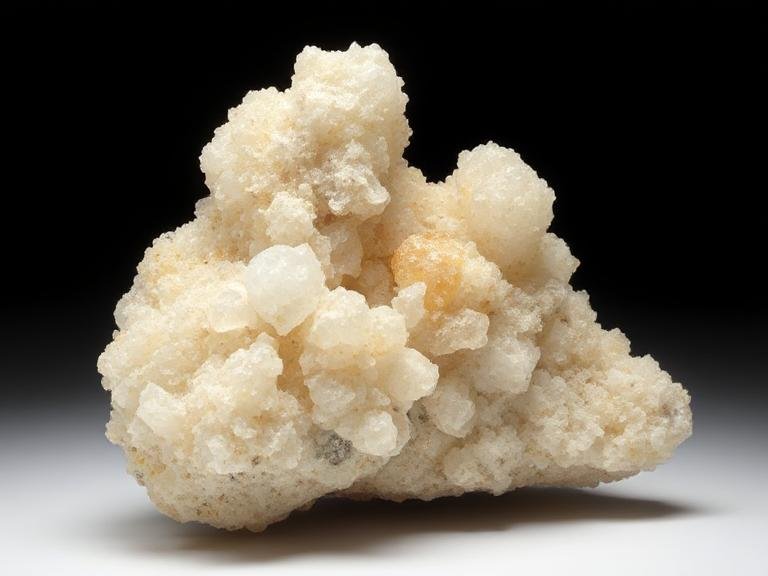
Look for discoloration, surface pitting, or powdering. Fresh lithium mica has a characteristic sheen and color that changes when the surface degrades. A dull, chalky surface usually means moisture has been present for weeks. White crusts on the surface indicate lithium carbonate formation — a direct sign that CO2 and moisture have been attacking the material.
If you see any of these signs, re-assay immediately. Do not wait for the next scheduled test. The visible damage means the chemical damage is already well underway.
Common Mistakes That Accelerate Lithium Loss
One mistake I see everywhere: operators store lithium mica in the same area as acidic or hygroscopic materials. Fertilizers, cement, salt, and certain chemicals release moisture or acidic vapors that attack lithium mica rapidly. Keep lithium mica in a dedicated storage area away from all other materials.
Another frequent error is stacking containers directly on the floor. Ground moisture wicks up through cardboard and plastic and reaches the bottom layers of stored material. Use pallets or raised platforms for every stack. Keep containers at least 15 centimeters off the ground.
Skipping desiccant replacement is perhaps the most common and most costly mistake. A saturated desiccant packet gives a false sense of security. The container looks sealed. The desiccant is inside. But it is doing nothing. Check desiccant status every time you open a container, not just on a fixed schedule.
Over-stacking containers creates pressure on the bottom layers, crushing the material and creating fresh surfaces exposed to any moisture that has penetrated the packaging. Limit stacks to two containers high. If you need more storage capacity, build out horizontally, not vertically.
Ignoring seasonal changes is another trap. Humidity rises in summer, drops in winter. If your storage protocol does not account for seasonal variation, you will lose lithium every summer and wonder why your assays drift downward year after year. Adjust dehumidifier setpoints seasonally. Increase desiccant quantity during humid months. Run more frequent testing during peak humidity periods.