
The Application of Mica Tape Wrapping in Fire-Resistant Cable Protection
In modern infrastructure, ensuring the reliability of electrical systems during fire emergencies is paramount. Fire-resistant cables play a critical role in maintaining power supply and communication integrity in life-safety systems, industrial control networks, and transportation hubs. Among various fire-resistant technologies, mica tape wrapping stands out as a proven solution due to its exceptional thermal stability and electrical insulation properties.
Core Mechanism of Mica Tape in Fire Resistance
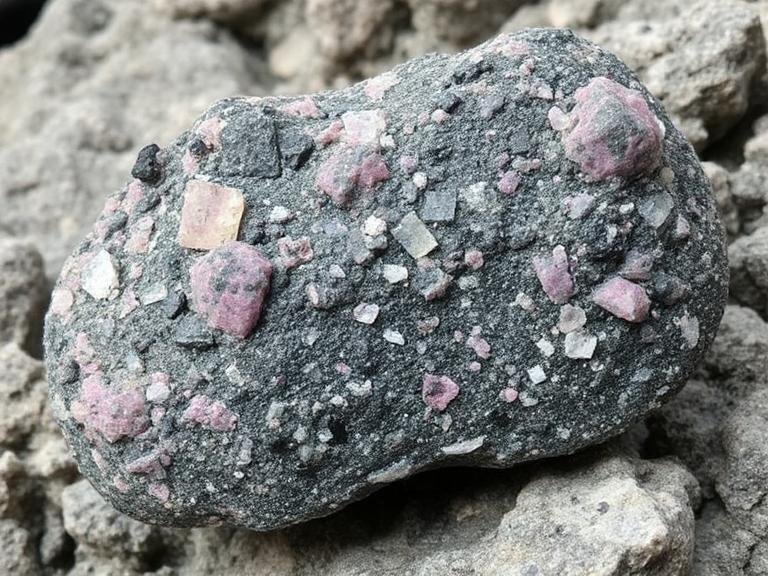
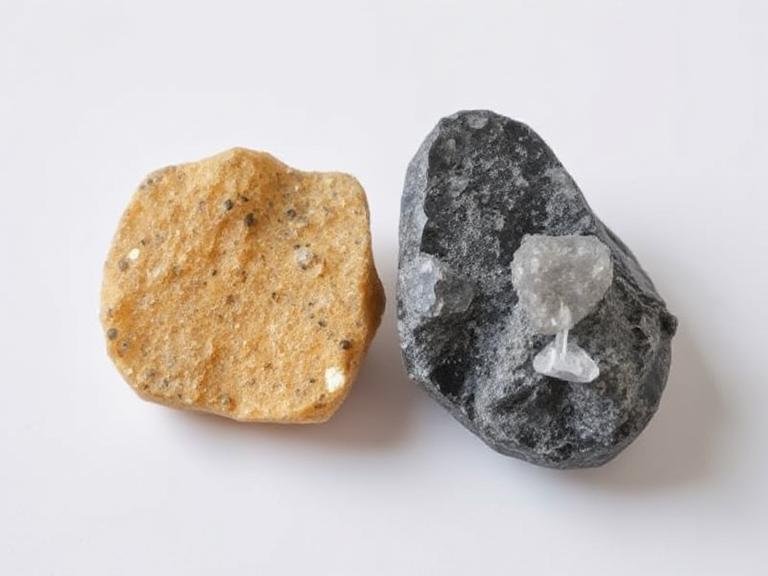
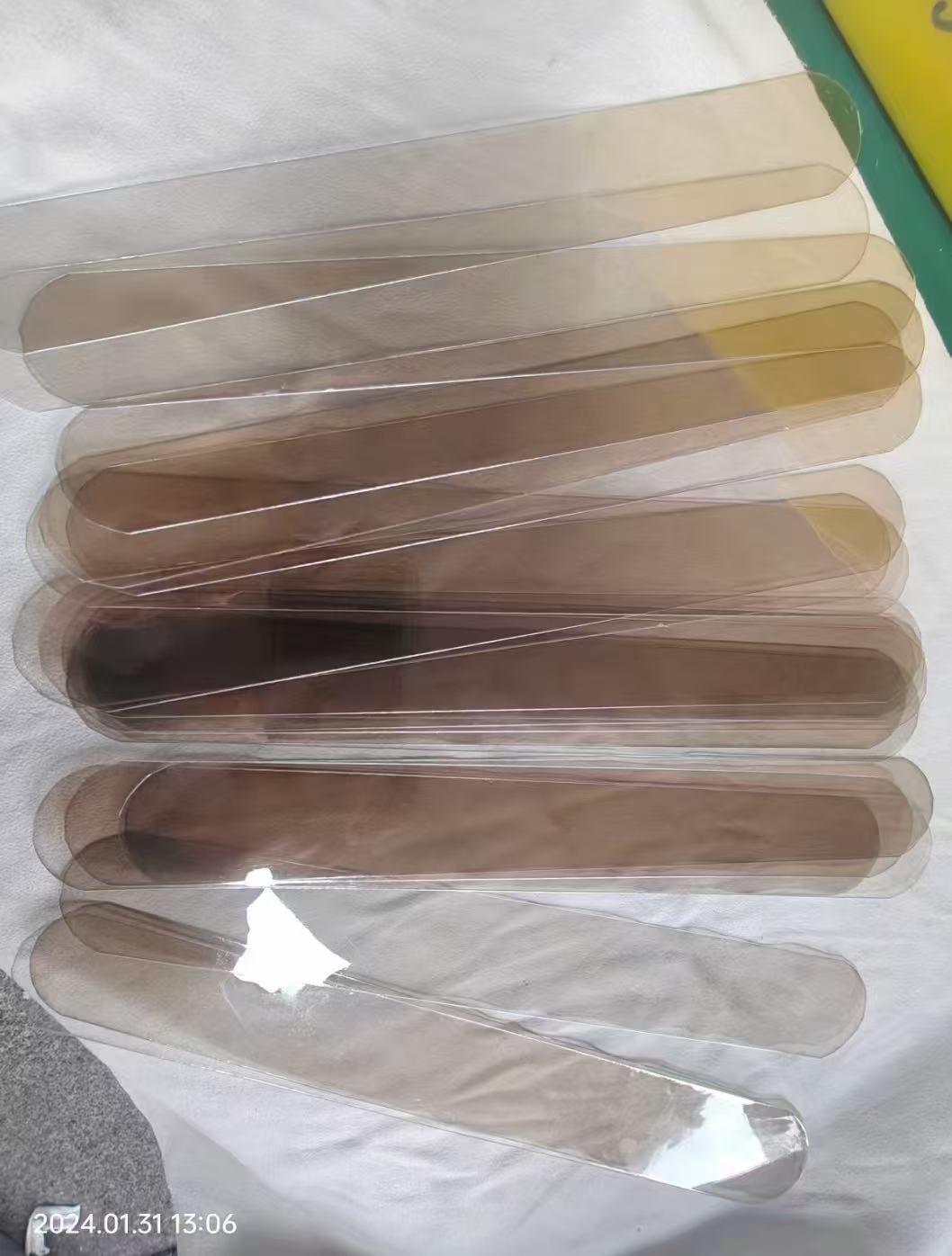
Mica, a naturally occurring silicate mineral, exhibits remarkable resistance to high temperatures and chemical degradation. When processed into mica tape—typically by bonding mica paper with glass fiber cloth using silicone adhesive—it forms a flexible yet robust insulating layer. During a fire, the organic components of the cable (such as PVC or XLPE insulation) burn away, while the mica tape undergoes a phase transformation. At temperatures exceeding 600°C, the mica crystal structure remains intact, forming a ceramic-like shield that prevents electrical short circuits and maintains circuit continuity.
This transformation is not merely passive insulation. The ceramic layer actively resists thermal conduction, reducing heat transfer to the cable core. Studies demonstrate that properly wrapped mica tape can withstand direct flame exposure for over 90 minutes at 950°C, far exceeding standard fire-resistance requirements. This durability makes it indispensable for applications where prolonged power supply during evacuation or firefighting operations is essential.
Critical Design Considerations for Effective Wrapping
Layer Configuration and Overlap Ratio
The fire-resistance performance of mica-wrapped cables depends heavily on wrapping parameters. Industry best practices recommend a minimum of two layers of mica tape with a 50% overlap ratio. This configuration ensures complete coverage without gaps, as even small unprotected areas can become failure points under thermal stress. For high-risk environments, quadruple-layer wrapping with 5% overlap may be employed to enhance redundancy, though this increases cable diameter and flexibility trade-offs.
Material Selection and Compatibility
Not all mica tapes are created equal. Synthetic fluorophlogopite mica offers superior thermal stability (withstanding temperatures up to 1,200°C) compared to natural muscovite or phlogopite varieties. However, natural mica tapes remain widely used due to their cost-effectiveness and adequate performance for most applications. The choice of backing material (glass fiber cloth vs. polymer film) also impacts flexibility and mechanical strength, with glass fiber being preferred for high-vibration environments.
Wrapping Process Control
Precision during the wrapping process is non-negotiable. Factors such as tension, wrapping angle, and equipment condition significantly influence final cable quality. Excessive tension can crack brittle mica crystals, while insufficient tension leads to loose wrapping and reduced fire resistance. Modern manufacturing lines utilize automated tension control systems and laser-guided wrapping heads to maintain consistency, particularly for small-diameter cables where curvature-induced stress is pronounced.
Diverse Applications Across Industries
Life-Safety Systems in Buildings
In high-rise structures, hospitals, and shopping malls, mica-wrapped cables ensure the operation of emergency lighting, fire alarms, and smoke extraction systems during fires. For instance, a 2025 study found that buildings using these cables reduced evacuation times by 30% compared to those relying on conventional cables, as critical systems remained functional during the critical initial fire stages.
Industrial Process Control
Petrochemical plants, nuclear facilities, and metallurgical works employ mica-wrapped cables to connect emergency shutdown systems and critical instrumentation. The ability to maintain signal integrity under extreme heat prevents cascading failures that could escalate minor incidents into major disasters. A 2024 incident at an offshore oil platform highlighted this value: mica-protected control cables prevented explosion propagation by keeping safety valves operational despite adjacent cable fires.
Transportation Infrastructure
Metro tunnels, airports, and railway stations demand cables that can withstand both fire and mechanical stress. Mica-wrapped cables with steel tape armor provide dual protection, resisting both flame penetration and structural collapse. In the 2023 London Underground fire, such cables maintained communication between control centers and train operators for over two hours, enabling coordinated evacuation efforts.
Future Innovations and Challenges
Research continues to push the boundaries of mica tape technology. Hybrid solutions combining mica with ceramic-forming silicone rubbers or yttrium-stabilized zirconia coatings aim to extend fire-resistance durations beyond current limits. Additionally, efforts to improve mica tape flexibility without compromising thermal performance could expand its use in robotics and aerospace applications.
However, challenges persist. The environmental impact of mica mining raises sustainability concerns, prompting exploration of recycled mica sources and synthetic alternatives. Furthermore, standardizing fire-resistance testing protocols across regions remains critical to ensure consistent product performance in global markets.
Conclusion
Mica tape wrapping represents a mature yet evolving technology at the forefront of fire-resistant cable design. Its unique ability to combine thermal insulation, electrical integrity, and mechanical durability makes it indispensable for safeguarding modern infrastructure. As industries demand ever-higher safety standards, ongoing innovations in mica tape materials and manufacturing processes will continue to define the future of electrical system resilience in fire scenarios.