
Enhancing Coating Adhesion Through Strategic Use of Mica Powder
The performance of industrial and decorative coatings depends heavily on their ability to form durable bonds with substrates. Achieving optimal adhesion requires careful selection of raw materials and formulation strategies. Mica powder has emerged as a valuable additive for improving coating adhesion across diverse applications, from automotive finishes to architectural paints. This natural mineral’s unique physical and chemical properties make it particularly effective in addressing common adhesion challenges.
Mica’s Role in Coating Adhesion Mechanisms
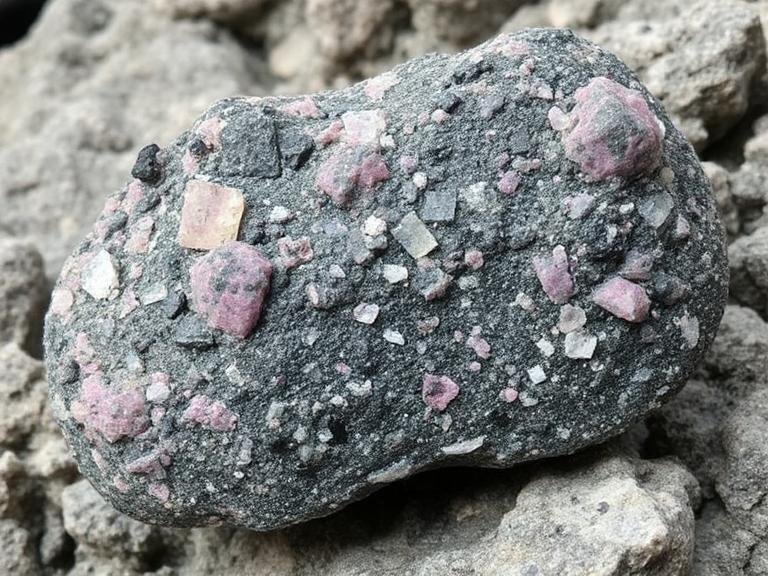
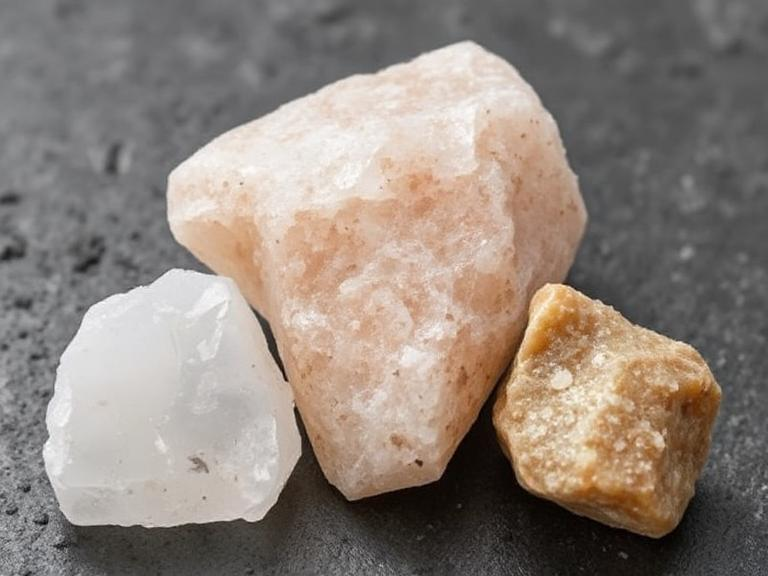
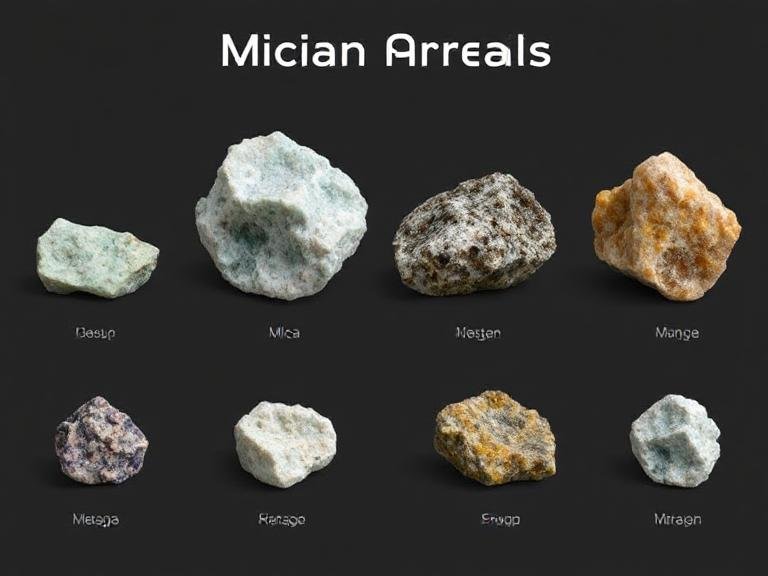
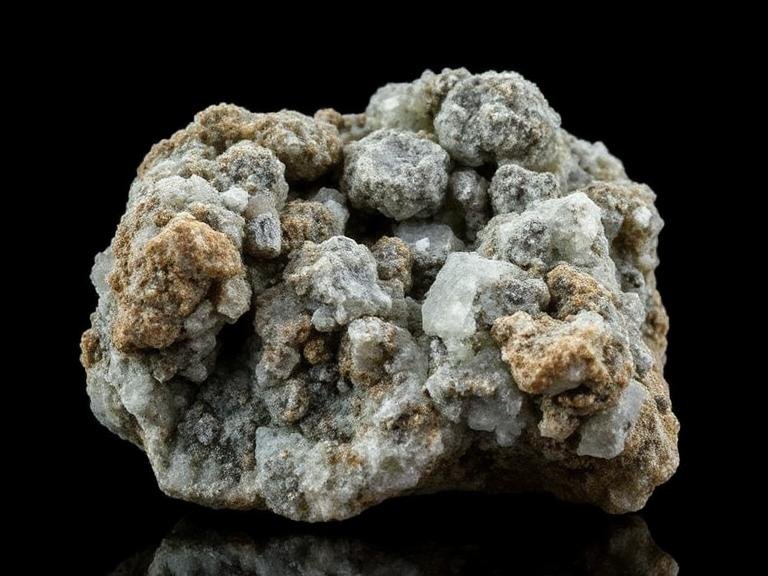
Mica powder consists of finely ground mica flakes that retain the mineral’s characteristic layered structure. When incorporated into coating formulations, these particles create a micro-rough surface on the dried film that enhances mechanical interlocking with the substrate. The platelet-like shape of mica particles increases the surface area available for bonding, while their inherent hardness resists deformation under stress, maintaining adhesion integrity over time.
The chemical composition of mica also contributes to adhesion improvement. Most mica varieties contain aluminum silicate structures with hydroxyl groups on their surfaces. These functional groups can participate in hydrogen bonding with polar substrates or coating resins, creating additional chemical adhesion pathways. Some mica grades may undergo surface modification during processing to enhance their compatibility with specific resin systems.
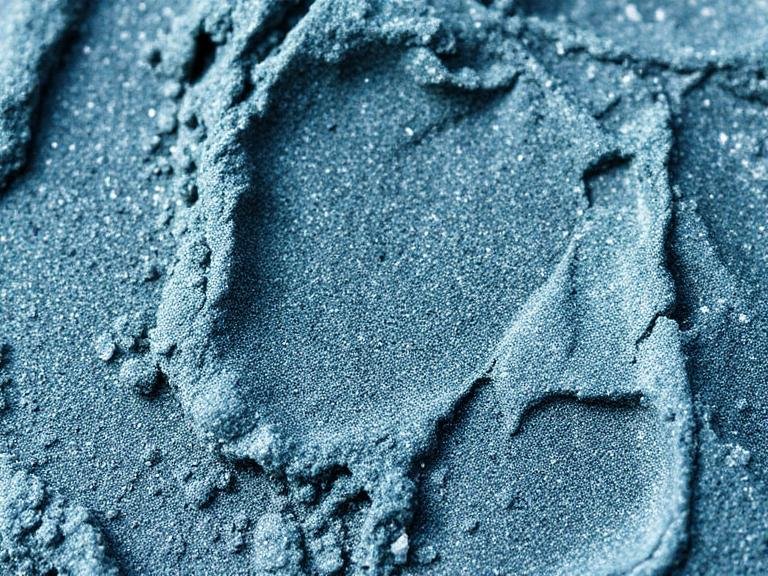
Particle size distribution plays a critical role in adhesion enhancement. Finer mica powders (below 20 microns) tend to improve film continuity and reduce porosity, creating a denser coating structure that better resists adhesion failure. Coarser particles (above 45 microns) may be more effective in creating mechanical keying on smooth substrates, though they require careful dispersion to prevent agglomeration.
Formulation Strategies for Optimal Adhesion
Compatibility with Resin Systems
The choice of mica powder must consider the coating’s base resin chemistry. For epoxy systems, untreated mica often provides sufficient adhesion enhancement due to the resin’s polar nature. Polyurethane coatings may benefit from silane-treated mica that forms stronger chemical bonds with the resin’s functional groups. Acrylic formulations often require mica with controlled particle size to maintain film clarity while improving adhesion.
Dispersion Techniques
Effective dispersion of mica powder is essential for realizing its adhesion benefits. High-shear mixing equipment helps break down particle aggregates and ensures uniform distribution throughout the coating. Some formulations incorporate wetting agents to reduce the surface tension between mica particles and the resin, improving dispersion quality. The order of ingredient addition during manufacturing also influences final adhesion performance.
Loading Level Optimization
The optimal mica concentration varies depending on coating type and application requirements. Generally, loading levels between 2-8% by weight provide noticeable adhesion improvements without significantly altering other coating properties. Higher concentrations may improve adhesion on particularly smooth substrates but could reduce flexibility or impact resistance if not carefully balanced with other formulation components.
Performance Benefits in Specific Applications
Automotive Coatings
In automotive refinish applications, mica-enhanced coatings demonstrate superior adhesion to metal and composite substrates, even under extreme temperature variations and vibration. The mineral’s thermal stability helps maintain adhesion during engine compartment exposure, while its hardness resists stone chipping and abrasion that could compromise the coating-substrate bond.
Architectural Paints
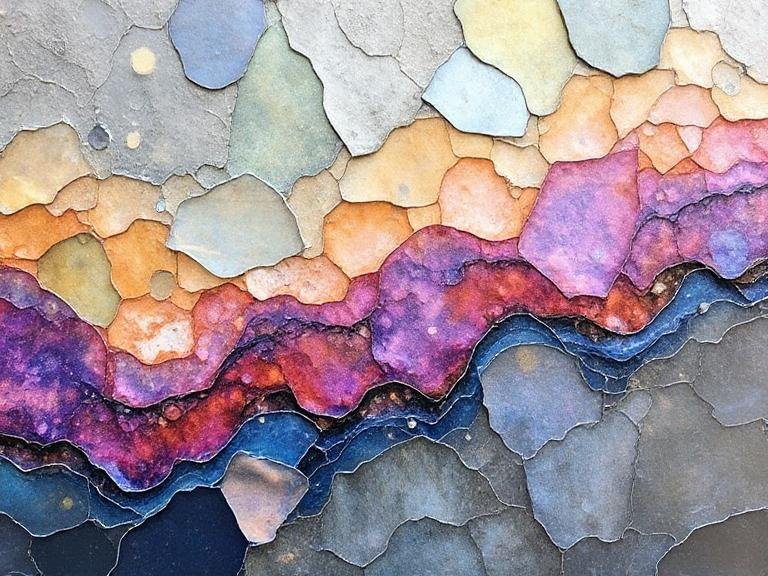
For exterior wall coatings, mica powder improves adhesion to diverse building materials including concrete, brick, and wood. The enhanced bond resists peeling caused by thermal expansion differences between the coating and substrate. Mica’s weather resistance also helps maintain adhesion in humid or salt-laden environments where conventional coatings might fail.
Industrial Protective Coatings
In heavy-duty industrial applications, mica-containing formulations show exceptional adhesion to chemically treated or rough substrates. The mineral’s resistance to acidic and alkaline environments helps maintain bond integrity in corrosive settings. Coatings for storage tanks and pipelines benefit from mica’s ability to withstand repeated thermal cycling without adhesion degradation.
Advanced Applications and Research Directions
The development of nanoscale mica particles represents an exciting frontier in coating adhesion technology. These ultra-fine particles can penetrate microscopic surface irregularities, creating adhesion at molecular levels previously unattainable with conventional additives. Early research indicates potential for significant improvements in adhesion to low-energy plastics and other difficult substrates.
Another emerging area involves functionalized mica powders with tailored surface chemistries. By grafting specific organic groups onto mica surfaces, researchers can create additives that form covalent bonds with particular resin systems. This approach offers the potential for application-specific adhesion enhancement without compromising other coating properties.
Sustainability considerations are also influencing mica processing techniques. The industry is exploring more energy-efficient grinding methods and water-based dispersion technologies to reduce the environmental impact of mica powder production. These efforts align with broader coating industry goals of developing more eco-friendly formulations without sacrificing performance.
Conclusion
Mica powder continues to prove its value as a versatile adhesion enhancer in coating formulations across multiple industries. Its unique combination of physical and chemical properties addresses fundamental adhesion challenges while offering compatibility with diverse resin systems. As coating technology advances toward more demanding performance requirements and sustainable practices, mica-based solutions will evolve to meet these needs. The material’s proven effectiveness, combined with ongoing research into improved grades and processing methods, ensures its continued importance in coating formulation development.