
The Essential Role of Mica Sheet Substrates in Electric Heating Element Support
Electric heating elements form the core of countless industrial and consumer appliances, from household ovens to complex industrial processing equipment. The supporting substrate material plays a critical role in ensuring these elements operate efficiently and safely. Mica sheet substrates have emerged as the preferred choice for this application due to their exceptional combination of thermal stability, electrical insulation, and mechanical resilience.
Mica’s Unique Material Properties for Heating Applications
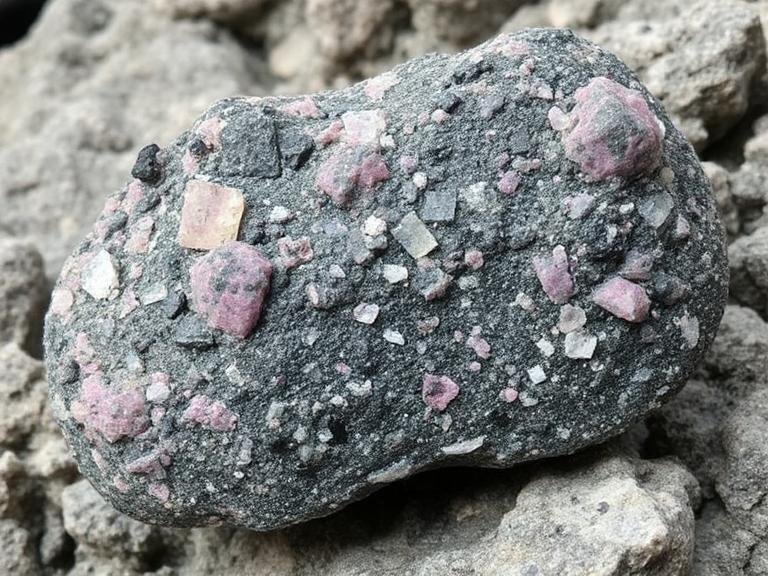
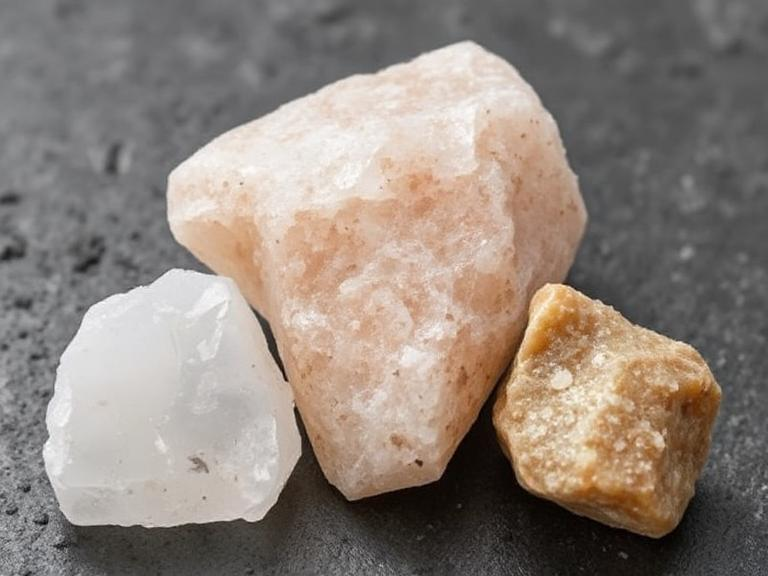
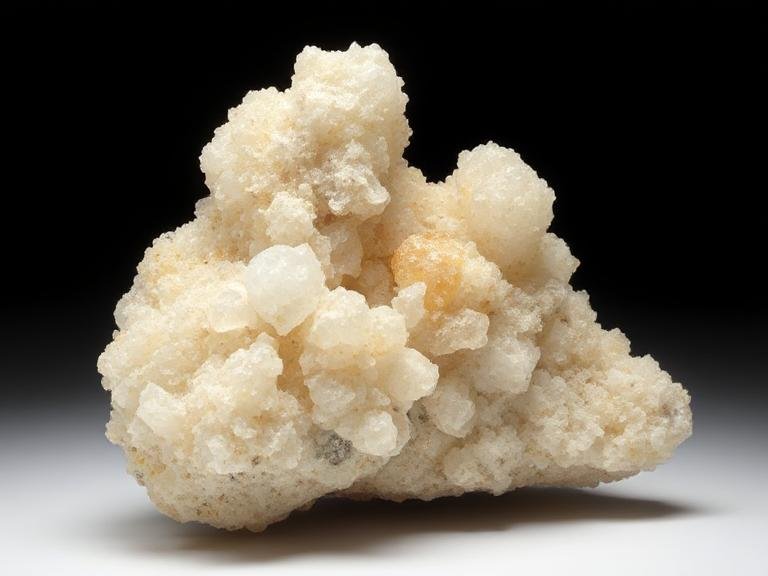
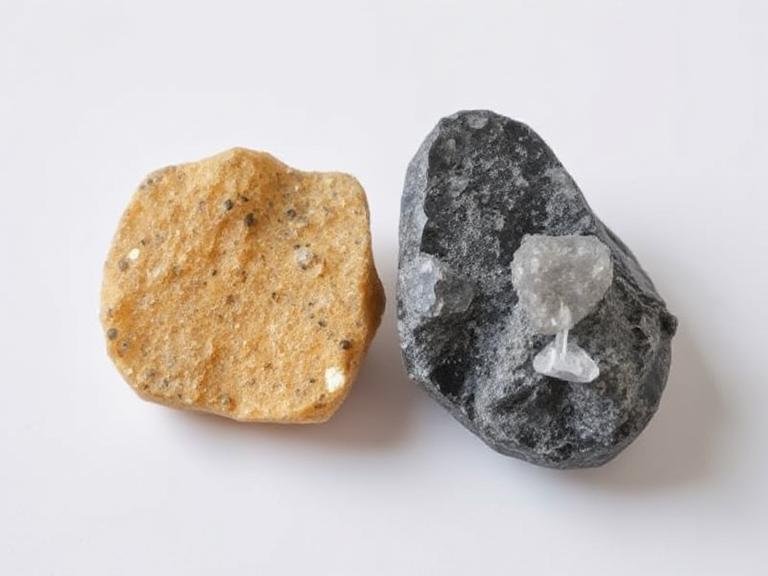
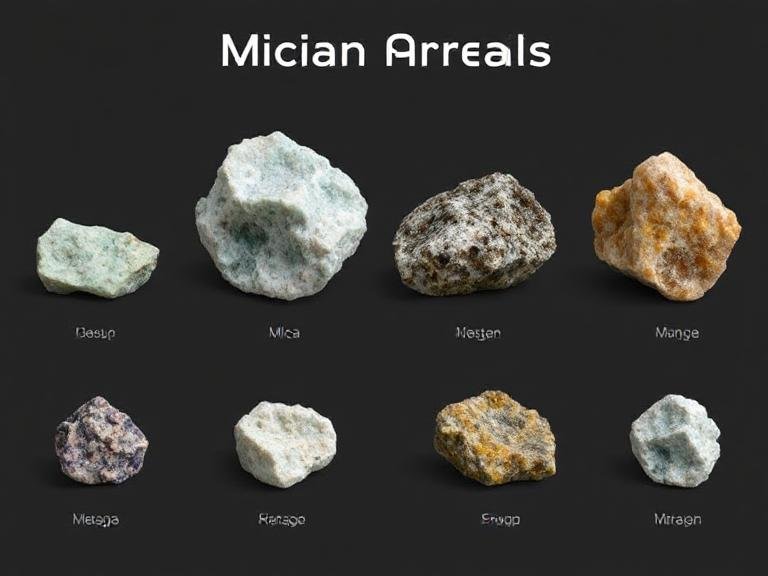
Mica belongs to a family of silicate minerals characterized by their layered atomic structure. This arrangement creates excellent thermal resistance, with mica maintaining structural integrity at temperatures exceeding 1000°C in some grades. The material’s low thermal conductivity allows it to provide effective insulation while permitting controlled heat transfer to the surrounding environment. This balance prevents excessive heat loss while protecting adjacent components from thermal damage.
Electrical insulation represents another critical advantage. Mica sheets typically exhibit dielectric strengths above 20 kV/mm, ensuring reliable isolation between heating elements and their supporting structures. This property remains consistent across wide temperature variations, preventing electrical breakdown even during rapid heating and cooling cycles. The material’s inherent resistance to arcing and tracking makes it particularly valuable in high-voltage heating applications.
Mechanical durability completes mica’s profile as an ideal substrate material. It demonstrates excellent dimensional stability under thermal stress, resisting warping or deformation that could compromise heating element performance. The material’s natural toughness allows it to withstand mechanical vibration and shock common in industrial environments without cracking or delaminating.
Design Considerations for Optimal Performance
Thickness Selection for Thermal Management
The appropriate mica sheet thickness depends on several factors, including maximum operating temperature, heating element power density, and required heat transfer rate. Thinner sheets (0.1mm to 0.5mm) work well for low- to medium-power applications where rapid heat transfer is desired, while thicker sheets (1mm to 3mm) provide better thermal insulation for high-power elements. Engineers must balance thermal performance with mechanical strength requirements when making this selection.
Surface Finish Requirements
The surface quality of mica substrates significantly impacts heating element adhesion and thermal contact. Smooth, polished surfaces ensure uniform heat distribution across the element’s surface while minimizing air gaps that could create hot spots. Some applications benefit from textured surfaces that enhance mechanical bonding between the mica and heating element, improving long-term reliability under thermal cycling conditions.
Edge Configuration Options
Mica sheets come in various edge profiles to accommodate different heating element designs. Straight edges work well for simple planar elements, while contoured edges help distribute mechanical stress in curved or complex-shaped heaters. Beveled edges can reduce stress concentrations at corners, preventing premature failure in high-stress applications. The choice of edge configuration must consider the heater’s operating temperature and expected thermal expansion.
Performance Benefits in Heating Applications
Enhanced Safety Through Reliable Insulation
Properly selected mica substrates create a robust barrier between heating elements and their surroundings, preventing electrical shock hazards and reducing fire risks. The material’s high dielectric strength ensures consistent performance even when exposed to moisture or contaminants that might compromise other insulation materials. This safety margin becomes particularly critical in consumer appliances where user protection is paramount.
Improved Energy Efficiency
Mica’s low thermal conductivity helps focus heat generation where it’s needed most—within the heating element itself. By minimizing parasitic heat losses to the supporting structure, mica substrates enable more efficient energy conversion. This efficiency improvement translates to lower operating costs and reduced environmental impact, particularly important in commercial and industrial applications with high energy consumption.
Extended Service Life
The thermal and mechanical stability of mica substrates contributes significantly to heating element longevity. By protecting the element from excessive thermal stress and mechanical damage, mica helps prevent premature failure modes such as element sagging, cracking, or electrical breakdown. This durability reduces maintenance requirements and replacement frequency, lowering the total cost of ownership over the equipment’s lifespan.
Advanced Applications and Emerging Trends
The rise of electric vehicles (EVs) has created new demands for heating element substrates. EV battery thermal management systems require precise temperature control, driving the development of mica-based solutions that can withstand the unique operating conditions of automotive environments. These applications demand mica substrates with enhanced vibration resistance and thermal cycling capabilities.
Another emerging area is the use of mica in flexible heating elements for wearable technology and medical devices. Researchers are developing thin, bendable mica composites that maintain their insulating properties while conforming to curved surfaces. These innovations open new possibilities for heating applications that were previously impractical with rigid substrate materials.
Sustainability considerations are also influencing mica processing techniques. The industry is exploring more environmentally friendly extraction methods and recycling programs to reduce the ecological impact of mica production. These efforts align with broader corporate sustainability goals while maintaining the material’s critical performance characteristics in heating applications.
Conclusion
Mica sheet substrates continue to provide unmatched performance in electric heating element applications, offering a unique combination of thermal, electrical, and mechanical properties that no other material can replicate. As heating technology advances toward higher efficiencies, greater power densities, and more demanding operating conditions, mica-based solutions will evolve to meet these challenges. The material’s proven reliability, combined with ongoing research into improved formulations and processing techniques, ensures its continued relevance in heating system design for the foreseeable future.