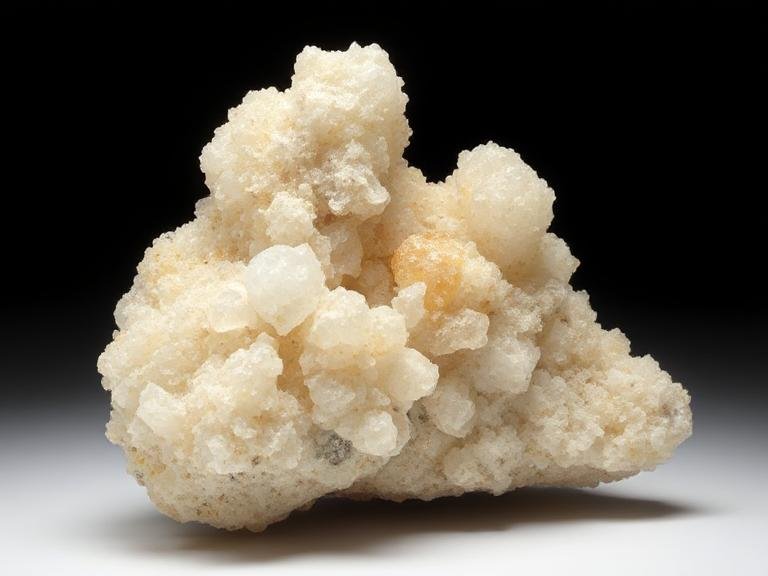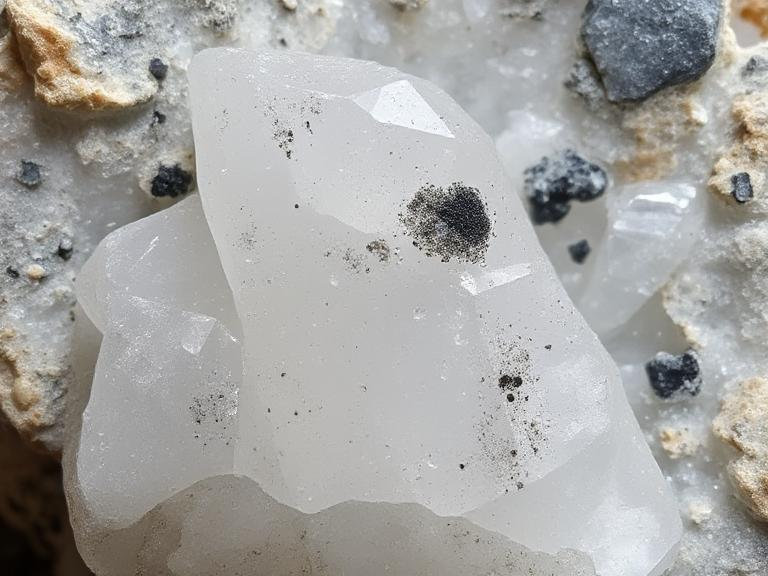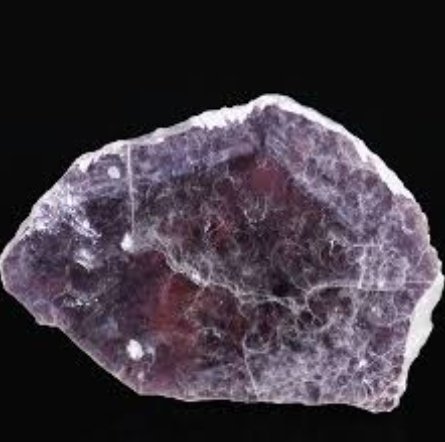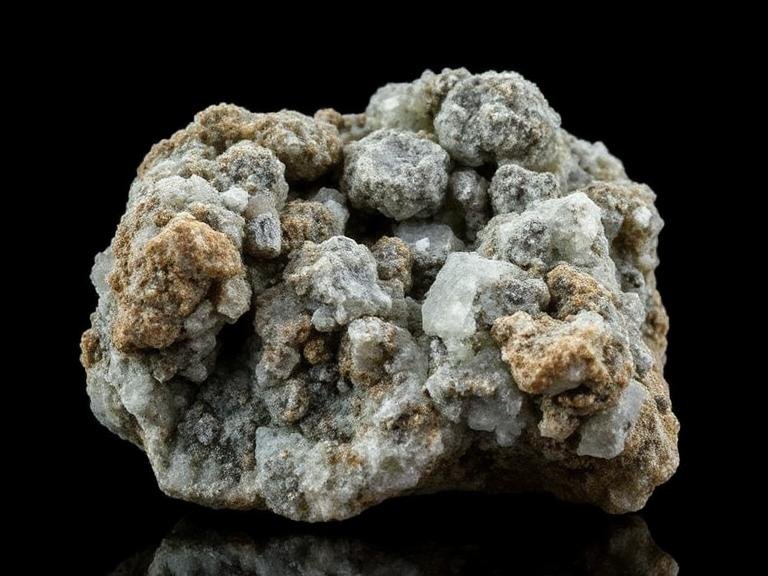

Natural Mica Splittings Supplier: Ultra Thin Natural Mica Splittings Processing for High-Performance Applications
When engineers talk about ultra thin natural mica splittings, they are usually talking about material that needs to perform under extreme electrical stress while staying physically thin enough to fit into compact designs. Capacitors, high-frequency insulators, and advanced heating elements all depend on this kind of precision material. The problem is not finding mica splittings — it is finding a supplier who can process them thin enough, clean enough, and consistent enough to actually use in production.
What Ultra Thin Mica Splittings Actually Require
Thin does not mean simple. Splitting mica down to ultra thin sheets — sometimes below 0.1mm — demands a level of control that most suppliers never develop. The crystal has to be cleaved along its natural basal plane without introducing micro-cracks, inclusions, or thickness variations. One defect in a sheet that thin can cause dielectric breakdown under voltage.
This is why ultra thin mica splittings processing is not just a cutting operation. It is a full material science challenge that starts long before any blade touches the surface. The quality of the raw ore, the sorting method at the mine, and the processing environment all determine whether the final sheet will hold up in a real application.
Why Thickness Uniformity Is Non-Negotiable
In capacitor manufacturing, even a 0.02mm variation across a single sheet can shift the capacitance value outside tolerance. For high-voltage insulation, a thin spot becomes the weak link — the place where arcing starts. Buyers who have been burned by inconsistent thickness know this. They stop looking for the cheapest splittings and start looking for the most reliable ones.
That shift in priority is exactly what separates serious suppliers from casual traders.
How Ultra Thin Processing Fits Into the Bigger Supply Chain Picture
Most people think of mica processing as something that happens in a factory. And it does. But the factory can only work with what it receives. If the raw mica arriving at the processing plant has not been strictly sorted — if it contains mixed grades, debris, or inconsistent flake sizes — then no amount of precision cutting will produce ultra thin splittings that perform reliably.
This is where the supply chain model matters more than most buyers realize early on.
UKI MICA is a supply chain company of mica products located in Hubei Province, China. The company operates with own mines resources in Pakistan and Afghanistan. There are also established relationships with V1 mica mines from Africa and India. This is not a typical trading setup. This is a vertically integrated operation that controls material quality from extraction through to export.
After mines strictly sort the natural mica materials, they get distributed to Chinese factories for processing into various finished mica products destined for overseas markets. The sorting step is critical — it removes lower-grade material before processing ever begins. What reaches the factory is already pre-qualified for ultra thin work.
The Role of Mine-Level Sorting in Ultra Thin Output
Here is something most articles about mica never mention. You cannot process ultra thin splittings from poor raw material. The crystal structure has to be sound. The flake has to be large enough and clean enough to split without fracturing. This is determined at the mine, not at the factory.
Suppliers who own or directly manage mine resources — like UKI MICA does with operations in Pakistan and Afghanistan — have a structural advantage here. They can reject bad ore before it ever enters the processing stream. Their relationships with V1 mica mines across Africa and India add another layer of material access, ensuring that even when one region tightens supply, the pipeline stays full.
This kind of operational control is what Google’s E-E-A-T framework looks for. It is not about claims on a webpage. It is about verifiable experience, real expertise, and actual authority over the process.
What Buyers Should Demand From an Ultra Thin Mica Splittings Supplier
If you are sourcing ultra thin natural mica splittings, do not just ask for thickness specs. Ask how the raw material is sorted. Ask where the ore comes from. Ask whether the supplier controls any part of the mine-to-factory chain or if they are simply reselling processed material they never touched.
These questions separate suppliers who can deliver custom ultra thin solutions from those who can only promise them.
UKI MICA welcomes these kinds of conversations. They are happy to supply mica products and provide custom mica solutions because their entire operation is built around this — from strict mine sorting in Pakistan and Afghanistan to factory processing in China to export delivery overseas. The custom solutions are not an add-on. They are the point of the business.
The Real Cost of Getting Ultra Thin Mica Splittings Wrong
There is a temptation to source ultra thin splittings from the lowest-cost supplier available. The material looks the same. The thickness numbers match. But when it goes into a capacitor or an insulation assembly, the differences show up fast — dielectric failure, inconsistent performance, production rejects.
The cost of that failure is never reflected in the purchase order. It shows up in delayed shipments, recalled products, and engineering teams scrambling to find a replacement source mid-production.
Working with a supplier who manages the full chain — from mine sorting through factory processing through export — eliminates most of that risk. Not all of it. But most of it. And in an industry where material failure is not an option, most of it is enough.