
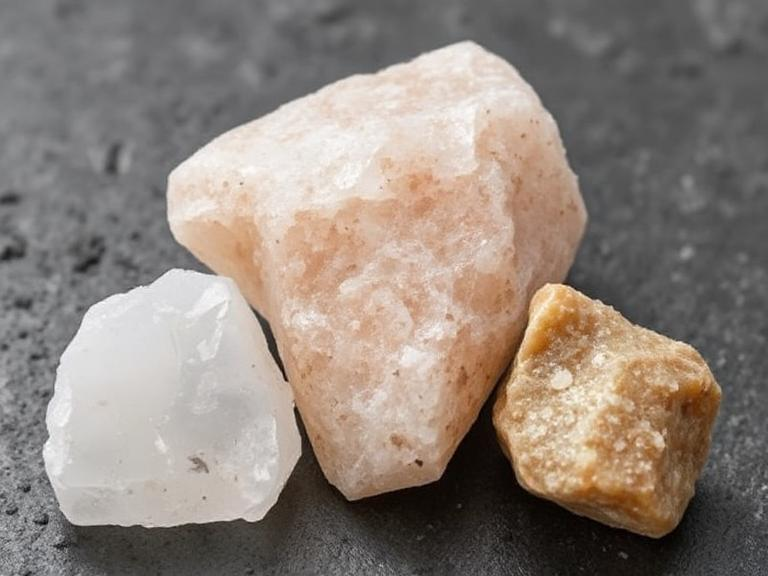
Natural Mica Splittings Supplier for Impurity Controlled Mica Splittings Supply
Impurity controlled mica splittings are what separate functional material from failed material. In high-voltage insulation, capacitor manufacturing, and precision thermal systems, even microscopic contaminants — iron particles, quartz inclusions, feldspar residues — can create weak points that cause breakdown under stress. The buyer who ignores impurity control at the sourcing stage will discover it the hard way: during dielectric testing, during thermal cycling, or worse, during field failure. That is why impurity controlled supply is not a premium add-on. It is the baseline.
What Impurity Control Actually Means in Mica Splittings
When people say “impurity controlled,” they usually mean one of two things — and the difference matters. Some suppliers control impurities by testing finished splittings and rejecting batches that fail. Others control impurities by preventing contamination from entering the process in the first place. The first approach is reactive. The second is structural. And only the second one actually works at scale.
The Contaminants That Cause Real Problems
Iron is the most talked about impurity, and for good reason. It degrades dielectric strength and introduces color. But quartz inclusions are just as dangerous — they create hard spots that crack during splitting, leading to micro-fractures that are invisible until the material is under load. Feldspar and calcite residues lower the thermal resistance of the final sheet. In capacitor applications, any of these can shorten component life by orders of magnitude. The goal of impurity control is not to eliminate every trace of everything — that is impossible with natural mica. The goal is to keep contaminants below the threshold where they start affecting performance.
Where Impurity Levels Are Actually Determined
Here is what most buyers get wrong: they assume impurity control happens at the factory. It does not. It happens at the mine. The crystal structure of mica forms over millions of years in specific geological conditions. Some deposits naturally produce cleaner crystals. Others carry more inclusions regardless of how carefully you process them. A factory can wash and sort all day, but it cannot remove quartz that is locked inside the crystal lattice. The mine decides the impurity floor. Everything downstream works within that limit.
Why Some Mines Produce Cleaner Material Than Others
Indian and East African V1 mines are widely recognized for producing mica with naturally low impurity loads. The geological conditions in these regions favor large, clean crystal formations with minimal foreign mineral inclusions. Pakistani and Afghan mines tend to produce larger flakes with stronger crystal structure, but impurity levels can vary more from vein to vein. This is why a supplier with access to multiple mine regions — and the discipline to sort by impurity grade at the source — has a real advantage over one buying from a single mine and hoping for the best.
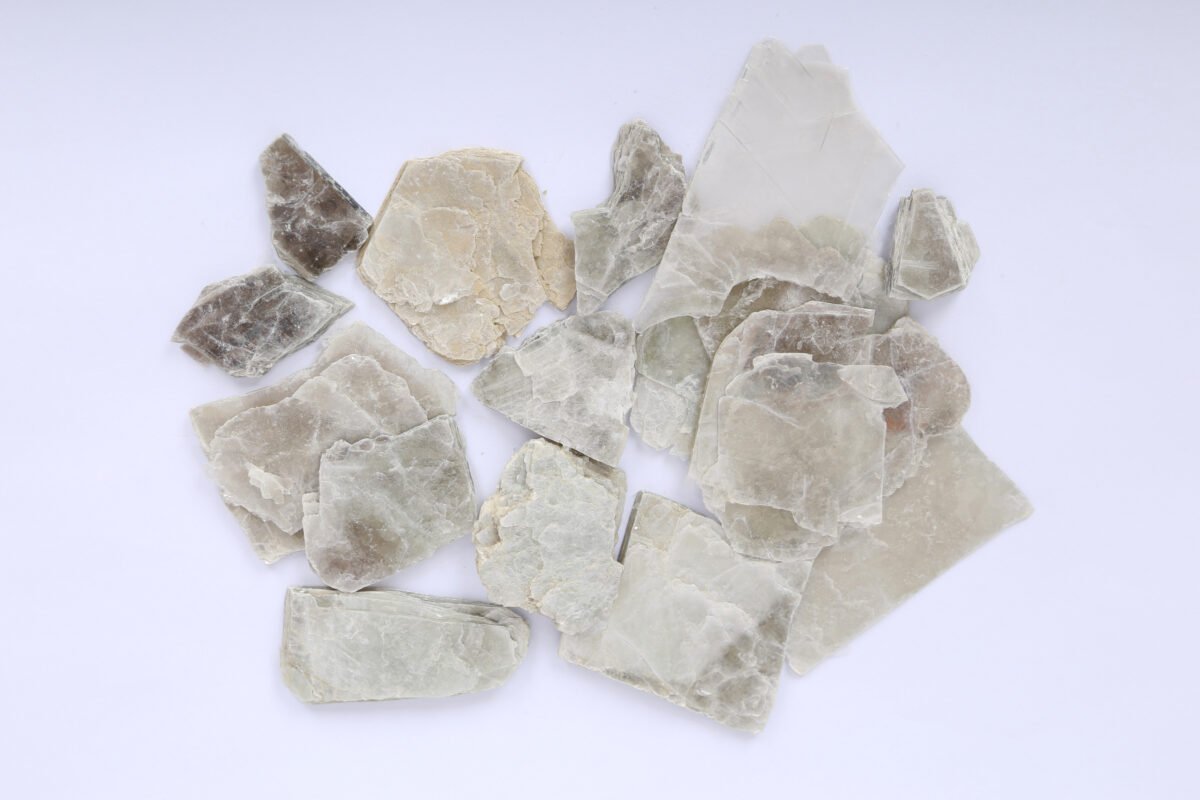
UKI MICA operates as a mica supply chain company based in Hubei Province, China. The company controls its own mine resources in Pakistan and Afghanistan and maintains strong relationships with V1 mica mines across Africa and India. After strict sorting at the mine level — where impurity-heavy flakes are separated from clean material before anything moves — natural mica is distributed to Chinese factories for processing into various finished mica products bound for overseas markets. This mine-first sorting model is what makes genuine impurity control possible, rather than just a claim on a spec sheet. UKI MICA also offers custom mica solutions, which becomes essential when a buyer’s application demands impurity levels below what standard grades can deliver.
How to Know If a Supplier Really Controls Impurities
Stop asking for lab reports. Start asking about their mine-level sorting process. A supplier who cannot tell you how raw mica is graded before it reaches the factory is not controlling impurities — they are managing them after the fact, which is a completely different thing. Ask which mines they source from. Ask whether they separate high-purity flakes from contaminated ones at the mine site. Ask what happens to material that fails the sort. The answers will tell you whether impurity control is real or performative.
Why Custom Solutions Are the Only Honest Answer for Tight Impurity Specs
Standard impurity grades cover the majority of applications. But some buyers need material that falls outside those standard bands — lower iron, fewer quartz inclusions, specific dielectric thresholds that no off-the-shelf grade can hit. This is where custom mica solutions stop being a nice-to-have and start being the only option. A supplier who can tailor the sorting criteria to a buyer’s exact impurity profile — adjusting flake selection, thickness, and clarity targets — is a supplier who actually understands the material. UKI MICA builds its service around this kind of customization, which is why their impurity controlled output carries the kind of consistency that demanding industrial buyers rely on. The supply chain they control — from mine sort to factory process to export — is not a pipeline. It is a closed loop, and that is what makes the difference.