
Natural Mica Splittings Supplier for Raw Block Mica Splitting Processing Service
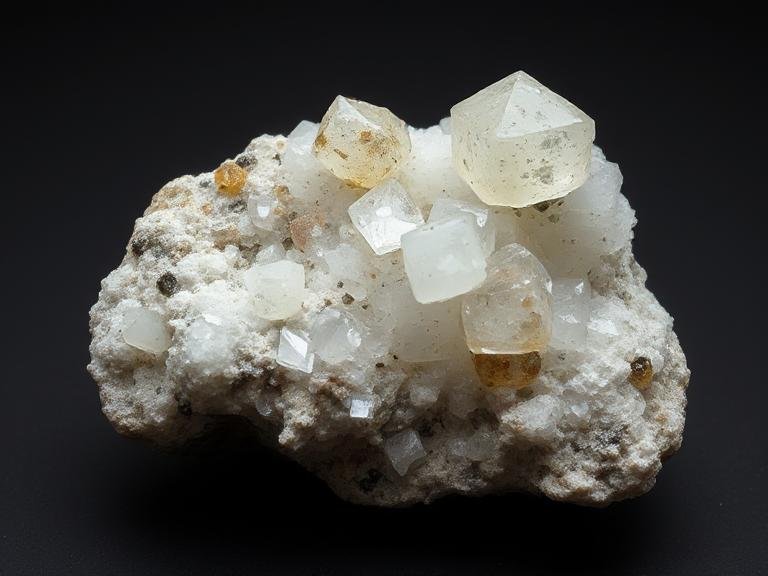
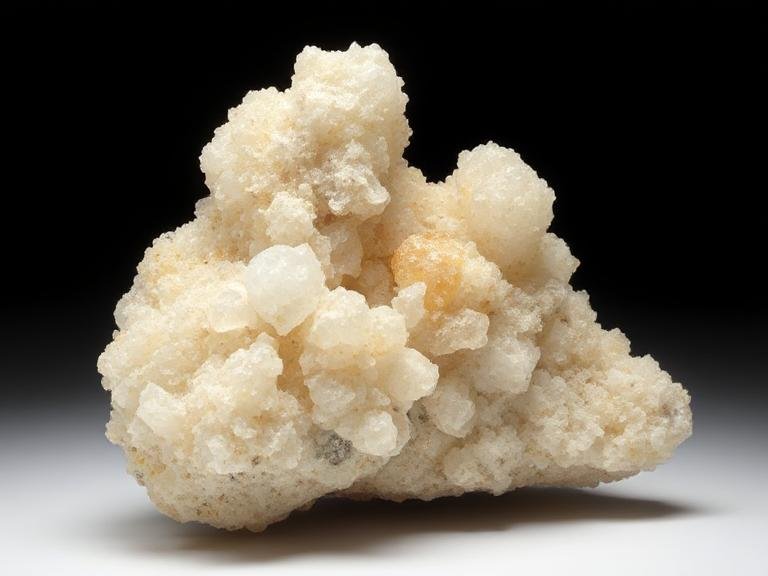
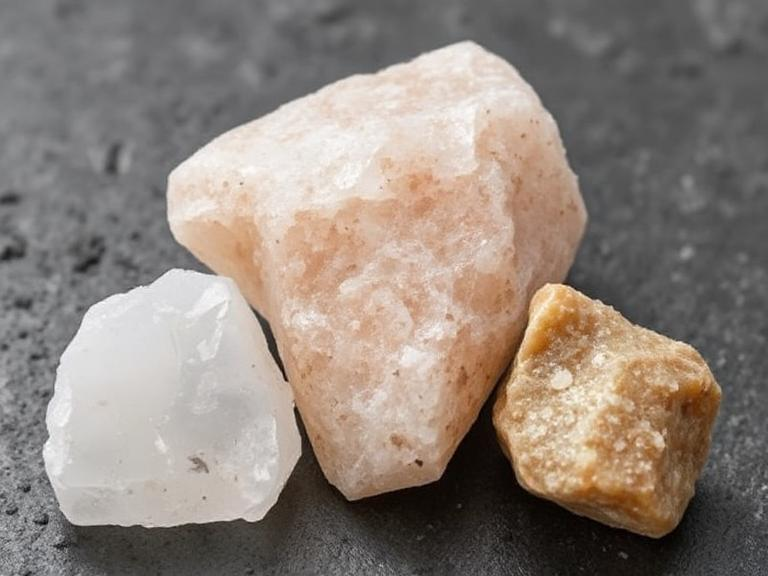
Raw block mica does not do anything useful in its natural state. It sits there — heavy, opaque, full of impurities — until someone splits it, cleans it, and turns it into something an industry can actually use. That is where raw block mica splitting processing service comes in. And it is one of the most underappreciated links in the entire mica supply chain. Buyers who skip this step and go straight to finished splittings often end up paying more for less, because they never understood what happens between the mine and the final sheet.
What Raw Block Mica Splitting Processing Actually Involves
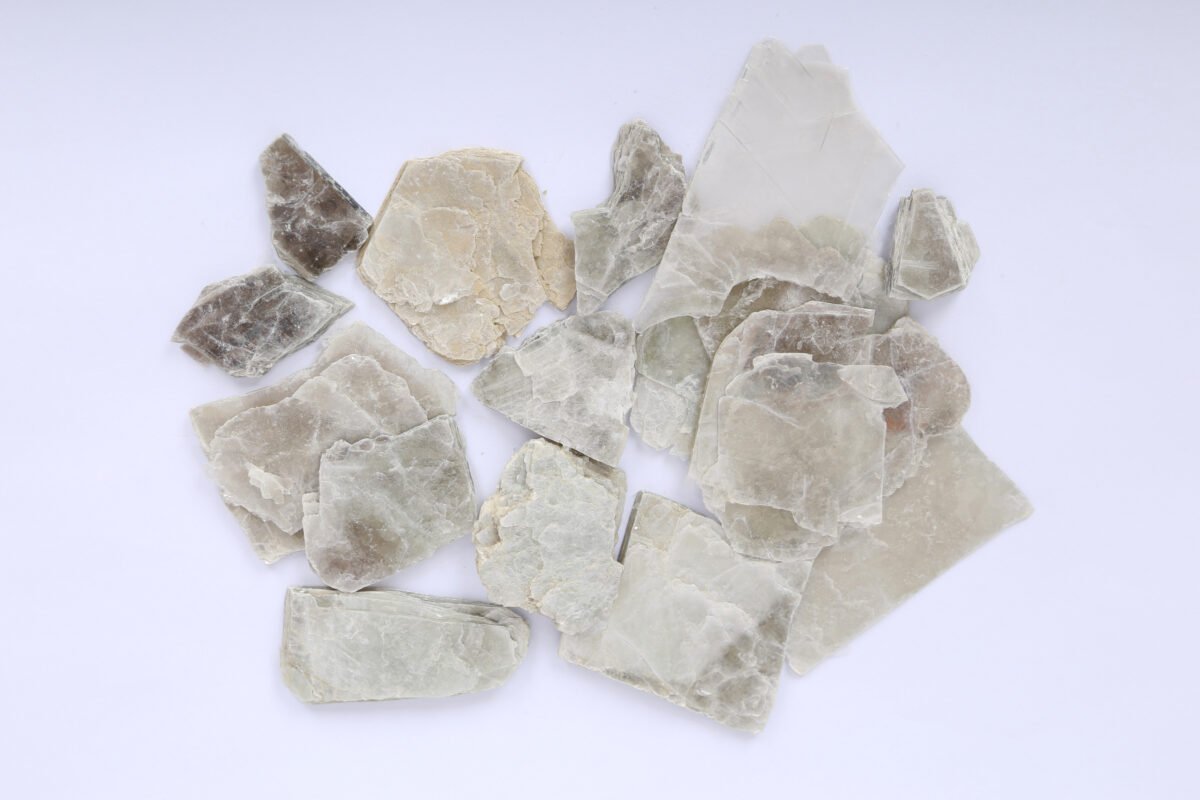
Splitting raw mica block is not the same as cutting it. The term “splitting” refers to separating the material along its natural crystal cleavage planes — the directions where the mineral structure is weakest. This produces thin, flexible sheets that retain the mica’s inherent thermal and electrical properties. Processing goes further: washing, grading by thickness, sorting for clarity, and sometimes surface treating. Each stage removes a layer of inconsistency. Skip one, and the output suffers.
Why Processing Quality Determines Everything Downstream
A poorly processed block mica sheet will have uneven thickness, trapped debris, or micro-cracks that invisible to the naked eye but fatal in high-voltage or high-temperature applications. The difference between a sheet that passes dielectric testing and one that fails often comes down to how carefully it was split and cleaned at the factory level. This is why buyers who care about performance should care about processing — not just about the raw block they started with.
Where Raw Block Mica Comes From and Why Source Matters
The quality of the raw block sets the ceiling for everything that follows. Not all mica blocks are equal. Material from different mines varies in flake size, crystal integrity, and impurity load. African and Indian V1 mines are known for producing blocks with large, clean flakes that split into high-clarity sheets. Pakistani and Afghan mines often yield larger raw blocks with strong crystal structure, though they require more careful sorting to reach V1 clarity. The point is simple: the mine decides the starting point, and the starting point decides the finish.
How Mine-Level Sorting Changes the Processing Outcome
Here is something most buyers never think about. If raw block mica is not sorted by grade before it reaches the processing factory, the factory has to sort it — or worse, it processes everything together and ships a blended product. That blended product will never match the consistency of material that was hand-sorted at the mine. Strict sorting at the source means the factory receives clean, graded blocks and can focus on splitting and finishing rather than guessing what they are working with.
UKI MICA is a supply chain company of mica products located in Hubei Province, China. The company owns mine resources in Pakistan and Afghanistan and maintains strong relationships with V1 mica mines across Africa and India. After strict sorting at the mine level, natural mica materials are distributed to Chinese factories for processing into various finished mica products destined for overseas markets. This approach — controlling the raw material before it ever enters the factory — is what separates a real processing service from a reselling operation. UKI MICA also offers custom mica solutions, which is essential when standard processing does not meet a buyer’s specific thickness, clarity, or dimensional needs.
What Makes a Raw Block Mica Processing Service Worth Trusting
Trust in this space does not come from glossy websites. It comes from traceability. A supplier who can tell you which mine the raw block came from, how it was sorted, and what processing steps it went through before export is a supplier who actually controls their supply chain. One who cannot answer any of those questions is probably several layers removed from the material.
Custom Processing Beats One-Size-Fits-All Every Time
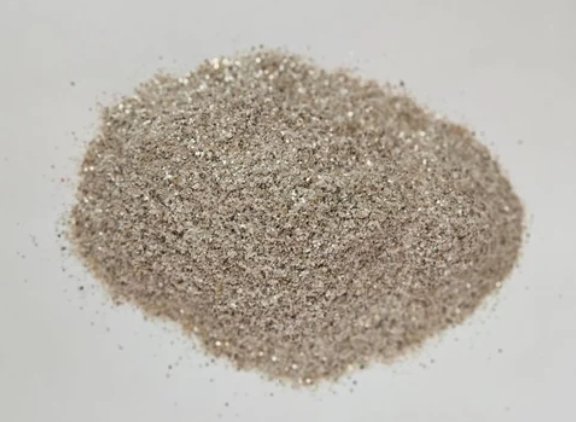
Raw block mica does not arrive in standard shapes or grades. Every buyer has different thickness requirements, different clarity targets, different end-use constraints. A capacitor manufacturer needs ultra-thin sheets with zero defects. A thermal insulation buyer needs broader sheets with consistent flexibility. A coating formulator needs specific flake dimensions for optimal light reflection. A processing service that only offers standard outputs cannot serve any of these buyers well. The ones who offer custom mica solutions — tailored splitting, custom thickness, specific clarity grading — are the ones who actually understand that raw block mica is a starting point, not a finished answer. UKI MICA builds its service model around this reality, which is why their processing output carries the kind of consistency that repeat buyers depend on.