
Natural Mica Splittings Supplier for Low Iron Content Mica Splittings Supply
Low iron content mica splittings are one of those materials that sound simple until you actually need them. Then you realize how many suppliers get it wrong. Iron content in mica is not just a number on a spec sheet — it directly affects color, dielectric performance, and thermal stability. For applications in electronics, optical-grade coatings, and high-purity insulation, even trace iron can ruin an entire batch. That is why sourcing low iron splittings from the right mines matters more than almost anything else in the supply chain.
Why Low Iron Content Makes or Breaks Mica Performance
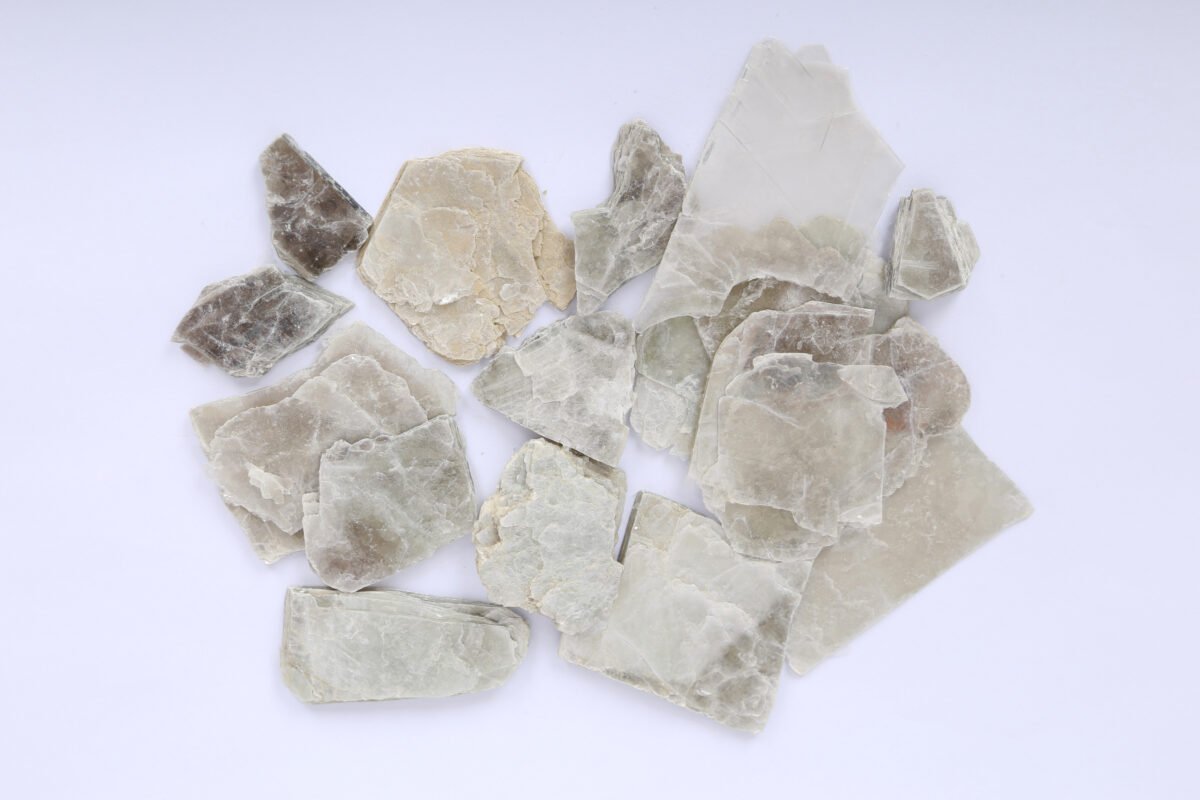
Iron is the most common contaminant in natural mica. It shows up as brownish or yellowish tinting in otherwise transparent sheets, and it degrades electrical resistance at high temperatures. In capacitor manufacturing, for example, iron impurities create leakage current paths that shorten component life. In pearlescent pigment production, they shift the color tone away from the clean white or silver finish that customers expect.
The Threshold That Actually Matters
Most industry buyers talk about “low iron” without defining what that means in practice. For high-end applications, iron content below 0.5% is the baseline. Below 0.2% is where you start seeing real optical clarity. Anything above 1% and you are dealing with material that belongs in general-purpose insulation, not precision electronics. The gap between these tiers is not marketing — it is chemistry. The mica crystal either formed in an iron-poor geological environment or it did not, and no amount of post-processing can fully remove iron that is locked into the crystal lattice.
Where Low Iron Mica Splittings Actually Originate
Not every mine produces low iron material. The geology has to be right. Deposits in parts of India, East Africa, and Brazil are known for naturally low iron content. Pakistani and Afghan mines tend to produce larger flakes with decent clarity, though iron levels vary more from batch to batch. This is why mine selection is not optional — it is the entire game.
How Mine-Level Sorting Determines Final Quality
Raw mica ore sits in piles at the mine before anyone touches it. The material that looks identical to the naked eye can have wildly different iron content. Suppliers who skip hand sorting at this stage and ship everything to the factory are gambling with their customers’ quality. Strict sorting — separating high-clarity, low-iron flakes from the rest — has to happen before the material ever leaves the mine site.
UKI MICA is a mica supply chain company located in Hubei Province, China. The company owns mine resources in Pakistan and Afghanistan and maintains strong relationships with V1 mica mines across Africa and India. After strict sorting at the mine level, natural mica materials are distributed to Chinese factories for processing into various finished mica products destined for overseas markets. This model — controlling the mine, controlling the sort, then controlling the processing — is what makes consistent low iron output possible. UKI MICA also emphasizes custom mica solutions, which matters when standard grades do not meet specific iron content thresholds or dimensional requirements.
What to Ask Before Trusting a Low Iron Mica Supplier
A supplier who cannot tell you which mine their low iron splittings came from is not a supplier you want to work with. Ask for mine origin. Ask about their sorting methodology. Ask whether they test iron content before or after processing. The answers to these three questions will tell you everything you need to know about whether their material is actually low iron or just marketed that way.
Why Custom Solutions Beat Catalog Shopping
Low iron requirements are rarely one-size-fits-all. A capacitor manufacturer needs different thickness tolerances than a coating formulator. A thermal insulation buyer cares about iron content but also about flake size and flexibility. Suppliers who only offer standard sizes and grades are not equipped for these conversations. The ones who offer custom mica solutions — tailored thickness, specific iron content targets, custom cutting — are the ones who actually understand the application side of the business. That is where real value lives, not in a price list.