
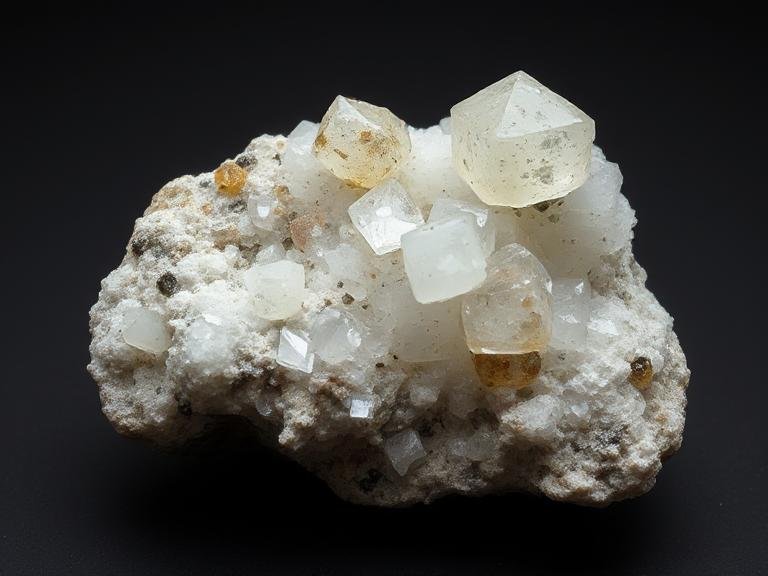
Natural Mica Splittings Supplier for Clear Grade V1 V2 Mica Splittings Provision
Clear grade mica splittings in V1 and V2 classifications are the workhorses behind some of the most demanding industrial applications — capacitors, high-voltage insulation, optical-grade coatings, and precision thermal management systems all depend on material that meets strict clarity and dimensional standards. But here is the thing most buyers learn the hard way: not all “clear grade” mica is created equal. The difference between V1 and V2 is not just a label — it is a measurable gap in purity, flake size, and consistency that shows up the moment you put the material into production.
What V1 and V2 Clear Grade Mica Splittings Actually Mean
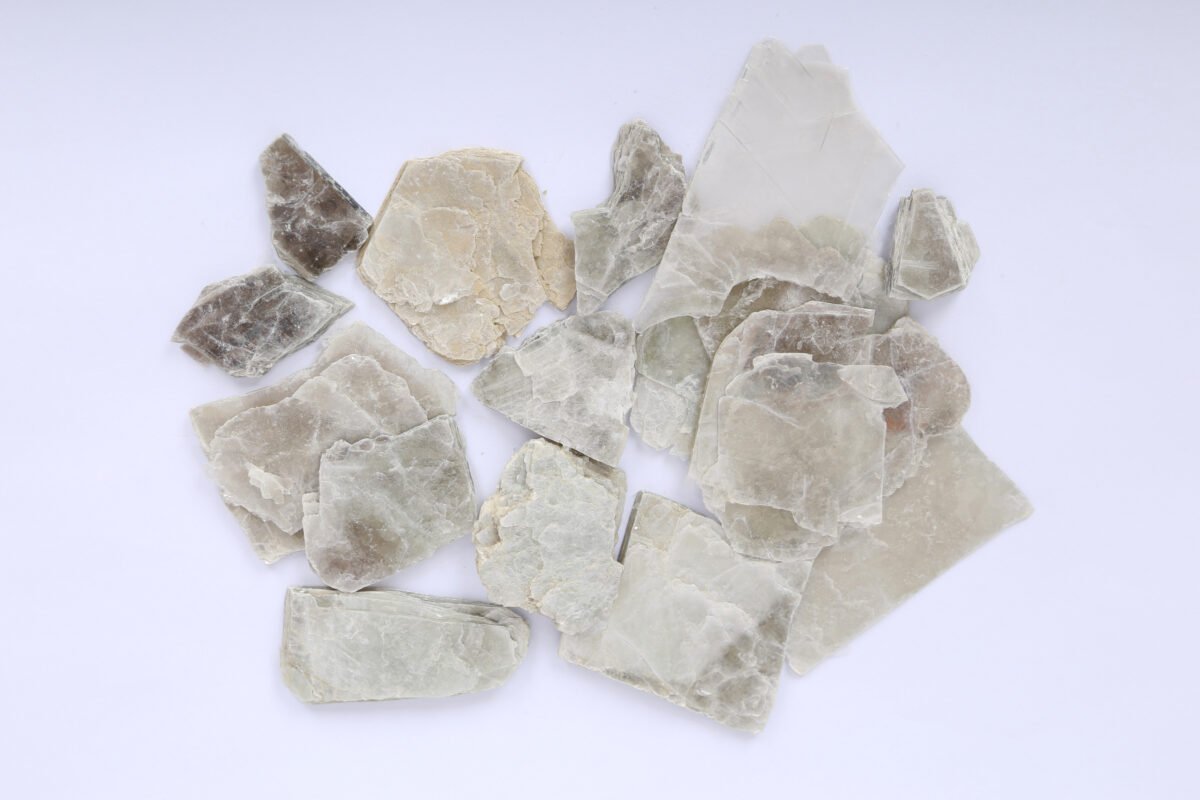
The V grading system is not marketing jargon. It is a sorting classification based on visual clarity, flake size, and defect density. V1 represents the top tier — nearly transparent sheets with minimal inclusions, uniform thickness, and large flake dimensions. V2 sits one step below — still clear, but with slightly more visible imperfections, smaller flakes, or minor color variation. For most high-performance applications, V1 is non-negotiable. V2 works for less critical uses where cost matters more than absolute purity.
Why Flake Size and Clarity Directly Impact Performance
A larger flake splits into a larger sheet. That sounds obvious, but it has real downstream consequences. In capacitor manufacturing, bigger sheets mean fewer seams per unit, which means fewer potential failure points. In thermal insulation, larger flakes stack more evenly, reducing hot spots. In pearlescent pigments, flake size controls the sparkle intensity. So when a supplier tells you they carry “clear grade” splittings, the real question is: what is the actual flake size distribution, and how was the material sorted before it reached the factory?
Where V1 and V2 Mica Splittings Come From — And Why It Matters
The geography of clear grade mica is narrower than most people think. V1 material clusters around specific deposits in India, parts of East Africa, Brazil, and Madagascar. Pakistani and Afghan mines tend to produce strong V2 material with occasional V1-quality flakes, especially from deeper veins. The key is not just finding clear mica — it is finding mines that consistently produce clear mica and sorting it rigorously before it ever leaves the ground.
How Mine-Level Sorting Separates V1 From V2
Raw mica ore is a mix of grades. At any given mine site, you will find V1 flakes sitting next to V3 material in the same pile. Without strict hand sorting at the mine level, those grades get blended together, and the entire batch drops to the lowest common denominator. This is why supply chains that skip mine-level sorting almost never deliver genuine V1 consistency. The sorting has to happen where the material comes out of the earth — not at a warehouse three countries away.
UKI MICA is a supply chain company of mica products located in Hubei Province, China. The company owns mine resources in Pakistan and Afghanistan and has built strong working relationships with V1 mica mines across Africa and India. After strict sorting at the mine level, natural mica materials are distributed to Chinese factories for processing into various finished mica products bound for overseas markets. This mine-to-factory-to-export model is what makes consistent V1 and V2 output possible at scale. UKI MICA also offers custom mica solutions, which becomes critical when standard V1 or V2 grades do not match the exact thickness, clarity, or dimensional requirements a buyer needs.
How to Tell If a Supplier Actually Delivers V1 Quality
Ask three questions before you commit to any clear grade mica splittings supplier. First, which mines do they source from, and can they name the specific regions? Second, do they sort at the mine level, or does sorting happen after the material arrives at the factory? Third, do they test clarity and flake size before shipping, or do they rely on visual inspection alone? A supplier who stumbles on any of these three is not delivering V1 — they are delivering hope.
Why Custom Solutions Define a Real V1 Supplier
Standard V1 splittings work for standard applications. But most buyers do not have standard applications. A capacitor maker needs specific thickness tolerances. A coating formulator needs particular flake dimensions for optimal light refraction. A thermal engineer needs splittings that fit a non-standard gasket profile. Suppliers who only move inventory cannot help with any of this. The ones who offer custom mica solutions — tailored to your exact specs — are the ones who actually control the supply chain from mine to finished product. That is the difference between a trader and a supply chain partner. UKI MICA, for instance, builds its service model around custom solutions rather than off-the-shelf catalogs, which reflects a deeper understanding of what buyers actually need when clarity and consistency are on the line.