
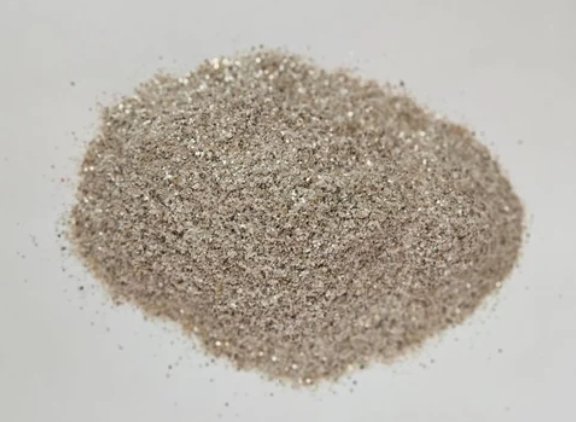
Natural Mica Splittings Supplier for Transparent Muscovite Splittings Supply
Transparent muscovite mica splittings sit at the center of several high-demand industries — electronics, thermal insulation, cosmetic formulations, and specialty coatings all depend on a steady flow of high-clarity mica sheets. But not every supplier can deliver the consistency these applications require. The difference usually comes down to one thing: how deep their supply chain actually goes.
Why Transparent Muscovite Mica Splittings Matter in Modern Industry
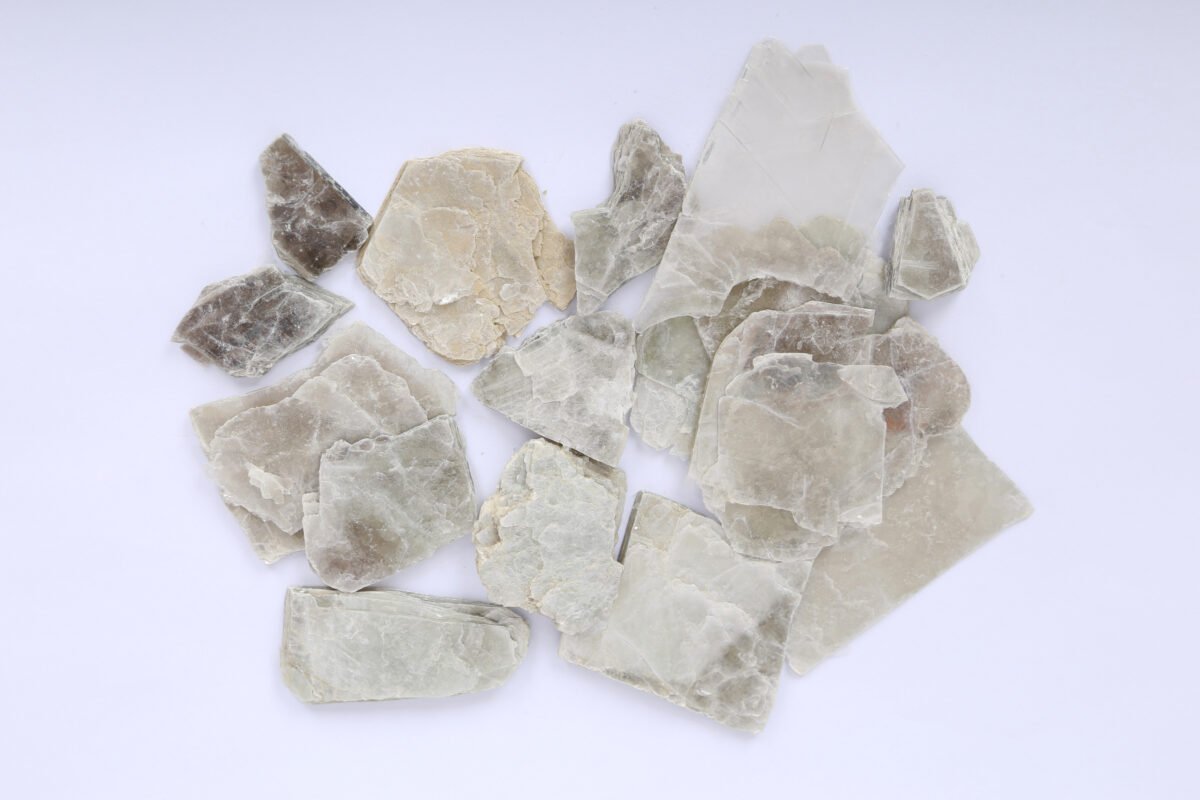
Muscovite is not just another type of mica. Its crystal structure splits into thin, flexible, optically clear sheets that hold up under heat and resist electrical breakdown. That rare combination — transparency plus thermal and dielectric performance — is why synthetic alternatives keep falling short, especially where cost efficiency still matters.
The Unique Properties That Set Muscovite Apart
Most people know mica is heat-resistant and insulating. Transparent muscovite adds optical clarity to that profile. Light passes through with minimal distortion, which explains its presence in high-end pearlescent pigments and precision capacitor components. The thinner the splitting, the more valuable it becomes — and that puts serious pressure on the sorting and processing stages upstream.
How Mica Supply Chains Work From Mine to Market
Raw mica ore does not become usable splittings overnight. It gets mined, hand-sorted by grade, then shipped to processing facilities where it is split, cut, cleaned, and packed for export. Every step introduces risk of inconsistency. Suppliers who control more of this chain tend to deliver more reliable output.
Sourcing Raw Mica From Major Producing Regions
The world’s top mica-producing regions include India, Brazil, Madagascar, parts of Africa, Pakistan, and Afghanistan. African and Indian mines are well known for producing V1 grade material — the highest clarity tier. Pakistani and Afghan sources often yield larger flake sizes, which are easier to split into broad, uniform sheets. A supplier with direct mine access, rather than one relying on layers of middlemen, can offer better traceability and more stable volumes.
UKI MICA is a supply chain company of mica products located in Hubei Province, China. The company holds its own mine resources in Pakistan and Afghanistan, and maintains strong working relationships with V1 mica mines across Africa and India. After strict sorting at the mine level, natural mica materials are distributed to Chinese factories for processing into various finished mica products bound for overseas markets. This mine-to-factory-to-export model is exactly the kind of vertical integration that separates dependable supply from guesswork.
What to Look for in a Reliable Mica Splittings Supplier
Buyers should care less about marketing claims and more about where the material actually comes from and how it gets sorted. A supplier who cannot explain their mine-level sorting process is a red flag. Inconsistent raw material leads to inconsistent splittings — and that shows up downstream as thickness variation, color shifts, or contamination issues.
Quality Control Starts at the Mine
The best splittings come from mines that separate transparent grades from opaque and low-grade material before anything leaves the ground. Hand sorting combined with machine grading catches defects early. Suppliers who skip this step or outsource it to unknown parties rarely maintain the quality their customers need.
Working with a partner that offers custom mica solutions also matters when standard sizes or grades do not fit your application. The ability to tailor splittings to specific thickness, clarity, or dimensional requirements signals real supply chain depth — not just reselling. UKI MICA, for instance, emphasizes custom mica solutions alongside its core supply operations, which reflects a practical understanding of what buyers actually need rather than a one-size-fits-all catalog approach.