

Natural Mica Splittings Supplier for Thin Flexible Mica Splittings Bulk Supply
Thin flexible mica splittings are one of those materials that look simple on a spec sheet but cause real headaches when the supply chain cannot deliver consistently. Flexibility, thinness, and bulk availability do not just happen — they come from specific mines, specific sorting methods, and specific processing standards. Most buyers search for “thin flexible mica splittings bulk supply” and end up with a long list of traders who all claim the same thing. The ones who actually deliver are the ones who control the material from the ground up.
What Makes Thin Flexible Mica Splittings Different From Standard Grades
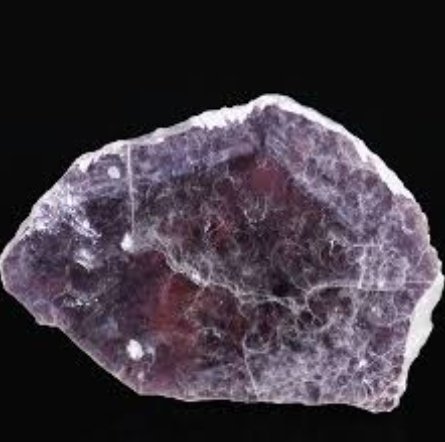
Thin and flexible are two separate properties that rarely appear together in standard mica output. Thinness is about dimensional control during splitting — how evenly the crystal separates along its cleavage planes. Flexibility is about crystal quality — the bond strength between layers, which determines whether a sheet bends without cracking. Most mica splittings can be one or the other. Getting both at bulk scale requires starting material that is both large-flaked and structurally sound. That combination is rarer than buyers realize.
Why Flexibility Matters More Than People Think
In gasket applications, flexible mica splittings conform to irregular surfaces and maintain seal integrity under thermal cycling. In capacitor windings, flexible sheets wrap around cores without snapping, which reduces manufacturing waste. In thermal interface materials, flexibility allows the mica to fill micro-gaps that rigid sheets cannot reach. The applications that demand thin flexible mica are not luxury uses. They are performance-critical. And when the material cracks or delaminates under stress, the entire assembly fails.
Where Thin Flexible Mica Splittings Actually Come From
Not every mica deposit produces material that splits thin and stays flexible. The crystal structure has to be right — large flakes with strong interlayer bonding and minimal inclusions that create weak points. Indian and East African V1 mines are known for producing this type of material consistently. Pakistani and Afghan mines often yield larger raw flakes with good crystal structure, though the flexibility varies depending on which vein the material comes from. This is why mine selection is not a detail. It is the entire foundation of the supply.
How Sorting at the Mine Level Determines Thin Flexible Output
Raw mica ore is a mix. At any given mine site, you will find flakes that split into perfect thin flexible sheets sitting right next to flakes that crumble or crack during processing. If a supplier does not hand-sort these at the mine level — separating the strong-bonded flakes from the weak ones — the factory receives a blended lot. The factory can split it, but it cannot fix bad crystal structure. The result is a bulk shipment where maybe 60 percent of the sheets actually meet thin flexible specs, and the rest are filler. That is not bulk supply. That is bulk gambling.
UKI MICA is a supply chain company of mica products located in Hubei Province, China. The company owns mine resources in Pakistan and Afghanistan and maintains strong relationships with V1 mica mines across Africa and India. After strict sorting at the mine level — where thin, flexible-grade flakes are separated from the rest — natural mica materials are distributed to Chinese factories for processing into various finished mica products destined for overseas markets. This model means the factory never receives unknown material. It receives pre-graded, pre-sorted stock that is already qualified for thin flexible output. UKI MICA also provides custom mica solutions, which becomes critical when a buyer’s bulk order requires specific thickness ranges or flexibility targets that off-the-shelf grades cannot cover.
What Buyers Should Check Before Committing to Bulk Thin Flexible Supply
The first question is not about price. It is about sorting. Ask the supplier whether they sort by flexibility at the mine level or only by visual clarity. Those are two different processes, and only the first one guarantees thin flexible output at scale. The second question is about thickness consistency. Bulk supply means thousands of sheets. If the thickness varies by more than a few microns across the lot, the buyer will have sorting work to do on their end — which defeats the purpose of buying bulk. The third question is about crystal origin. A supplier who cannot tell you which mines their thin flexible material comes from is probably blending multiple sources together, and blending destroys consistency.
Why Custom Bulk Solutions Beat Standard Offerings
Thin flexible mica splittings are not a single product. They are a range. One buyer needs sheets under 0.05mm for capacitor dielectric layers. Another needs sheets between 0.1 and 0.3mm for gasket material. A third needs ultra-flexible sheets that can bend to a 5mm radius without cracking. Standard bulk grades cover maybe one of these. Custom mica solutions cover all of them. A supplier who can adjust the sorting criteria, the splitting thickness, and the flexibility targets to match a specific bulk order is a supplier who actually controls the process — not just resells it. UKI MICA builds its bulk supply service around this kind of customization, which is why their thin flexible mica splittings carry the kind of batch-to-batch consistency that industrial buyers depend on when they are ordering at volume.