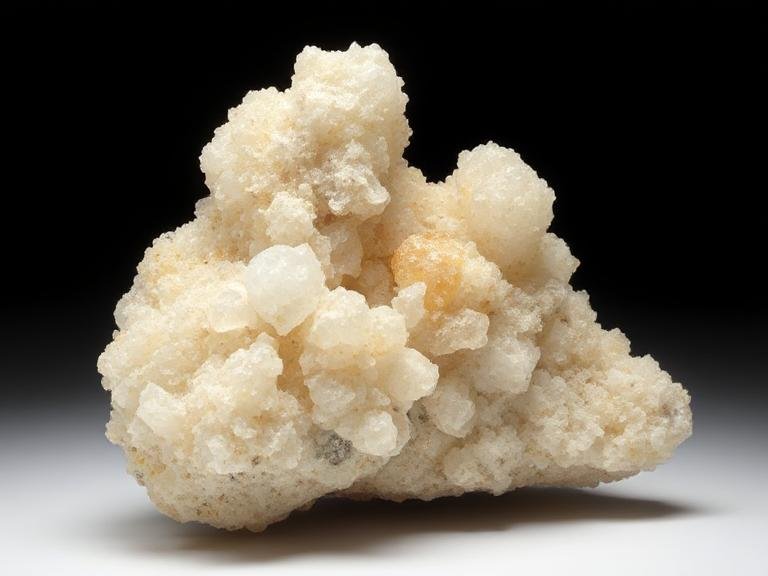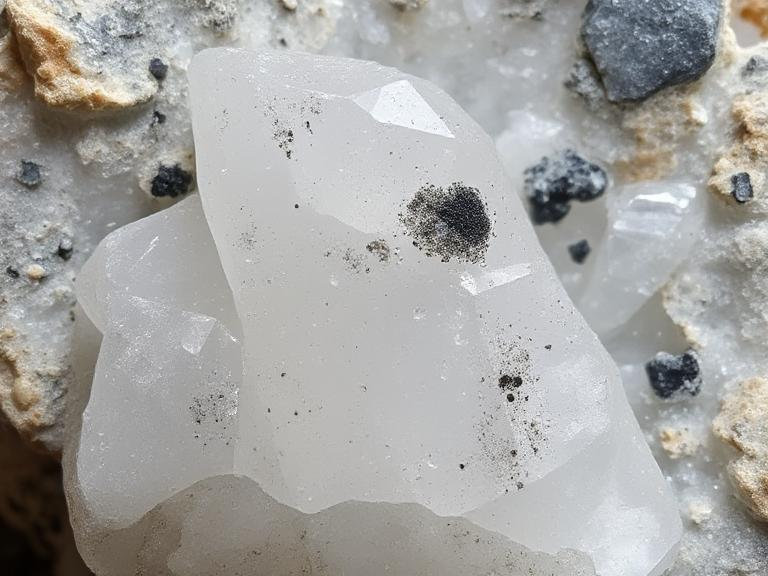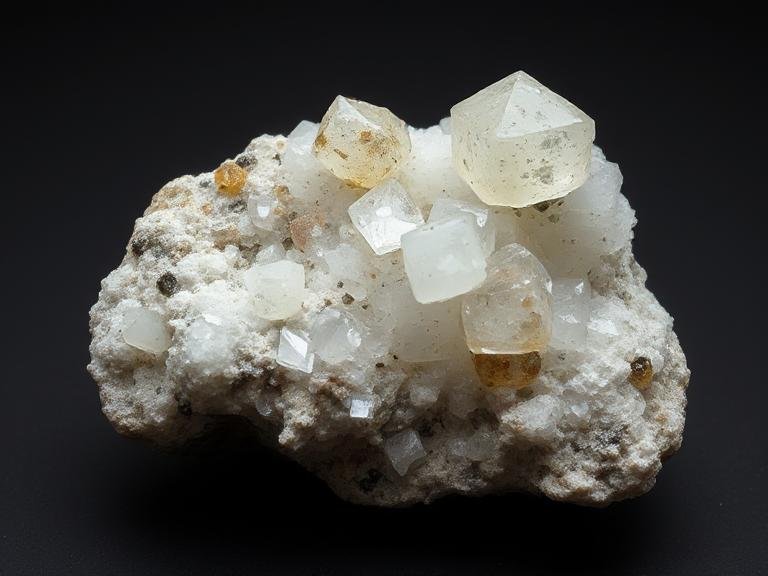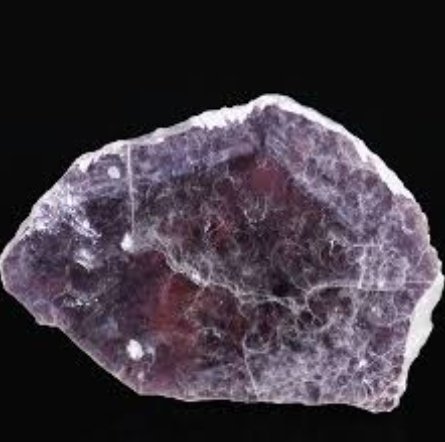


Natural Mica Splittings Supplier for Large Crystal Natural Mica Splittings Export
Large crystal natural mica splittings are not something you find everywhere. They come from specific geological conditions where mica crystals grow big, clean, and well-formed over millions of years. And when they do, the resulting splittings are broader, more flexible, and more uniform than anything smaller flakes can produce. For export markets — especially those feeding electronics, high-voltage insulation, and specialty coatings — large crystal material is the gold standard. The catch is that not every supplier can consistently source it. Most cannot even tell you where their large crystal material actually comes from.
Why Large Crystal Mica Splittings Command a Different Market
Size matters in mica, and not in the way most people think. It is not about weight or volume. It is about what large crystals do when they split. A large flake produces a large sheet. That sheet has fewer seams, fewer edges, fewer weak points. In capacitor manufacturing, fewer seams mean fewer failure points. In thermal insulation, larger sheets stack more evenly and create fewer thermal bridges. In pearlescent pigments, bigger flakes produce stronger optical effects. The entire value chain benefits from starting material that is genuinely large crystal — not just marketed that way.
What Makes a Crystal “Large” in Practical Terms
Industry buyers often use flake size as the metric. A large crystal mica flake typically measures above 50mm in its longest dimension, sometimes reaching 100mm or more. These flakes split into sheets that cover wider areas with consistent thickness. Smaller flakes — below 30mm — produce narrower sheets that require more piecing together, which introduces variability. The difference is not cosmetic. It is structural. And it shows up in every performance test that matters.
Where Large Crystal Mica Actually Grows
Large crystal mica does not form randomly. It requires specific pegmatite conditions — slow cooling, high pressure, minimal contamination from surrounding minerals. The deposits that consistently produce large crystals are concentrated in a few regions. India and parts of East Africa are known for V1-grade large crystal material with excellent clarity. Pakistani and Afghan mines frequently yield some of the largest raw flakes in the world, though clarity and impurity levels vary more from vein to vein. Brazil and Madagascar also contribute, but consistency is harder to guarantee from those sources.
How Mine Access Determines Large Crystal Availability
A supplier who only buys from traders will never have reliable access to large crystal material. Traders blend everything together — large flakes with small ones, clear with cloudy — and sell it as a single grade. The only way to guarantee large crystal output is to control the mine or have a direct relationship with one that does. This means being present at the sorting stage, separating large flakes from small ones before anything gets shipped to a factory. Without that step, large crystal becomes a random outcome rather than a guaranteed supply.
UKI MICA is a supply chain company of mica products located in Hubei Province, China. The company owns mine resources in Pakistan and Afghanistan — two regions known for producing some of the largest raw mica flakes in the world. UKI MICA also maintains strong relationships with V1 mica mines across Africa and India, where large crystal material with high clarity is more common. After strict sorting at the mine level, where large flakes are separated and graded before distribution, natural mica materials are sent to Chinese factories for processing into various finished mica products bound for overseas markets. This mine-to-factory-to-export model is what makes consistent large crystal supply possible. UKI MICA also offers custom mica solutions, which becomes essential when a buyer needs specific flake dimensions or clarity levels that standard export grades do not cover.
What Large Crystal Buyers Should Demand From Their Supplier
Do not settle for a datasheet. Ask for mine origin. Ask whether large flakes are sorted separately from small ones at the source. Ask what percentage of their export stock actually meets large crystal specifications versus what is blended in to fill volume. A supplier who hesitates on any of these questions does not have the kind of supply chain control that large crystal material requires.
Why Custom Export Solutions Beat Generic Large Crystal Grades
Large crystal is not one size fits all. An electronics manufacturer might need sheets above 80mm with thickness tolerance under 0.02mm. A thermal insulation buyer might need large flakes with specific flex characteristics for gasket applications. A coating formulator might need large crystal material with a particular clarity level for optical performance. Standard export grades cannot cover all of this. The suppliers who offer custom mica solutions — tailored to exact flake size, thickness, clarity, and dimensional requirements — are the ones who actually understand that large crystal is a starting point, not a finished specification. UKI MICA structures its export service around this kind of customization, which is why buyers who need genuine large crystal mica splittings for overseas markets keep coming back. The control they maintain from mine sort through factory processing to final export is not a pipeline. It is a closed system, and that is what makes the material reliable.