
Natural Mica Splittings Supplier for Raw Mineral Ore Sorting Matching Service
Raw mineral ore sorting matching is the step that most mica buyers never think about — until they get burned by a bad batch. You can have the best processing factory in China, the most precise splitting equipment, and the tightest quality controls on the export side. None of it matters if the raw ore that walks in the door was never properly sorted at the source. Sorting matching is not a nice extra. It is the thing that separates suppliers who actually understand mica from suppliers who just move rock.
What Raw Mineral Ore Sorting Matching Actually Involves
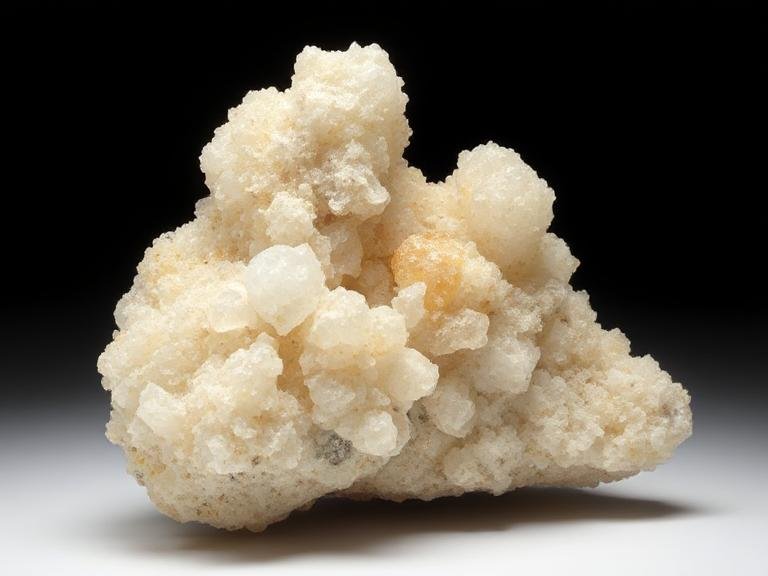
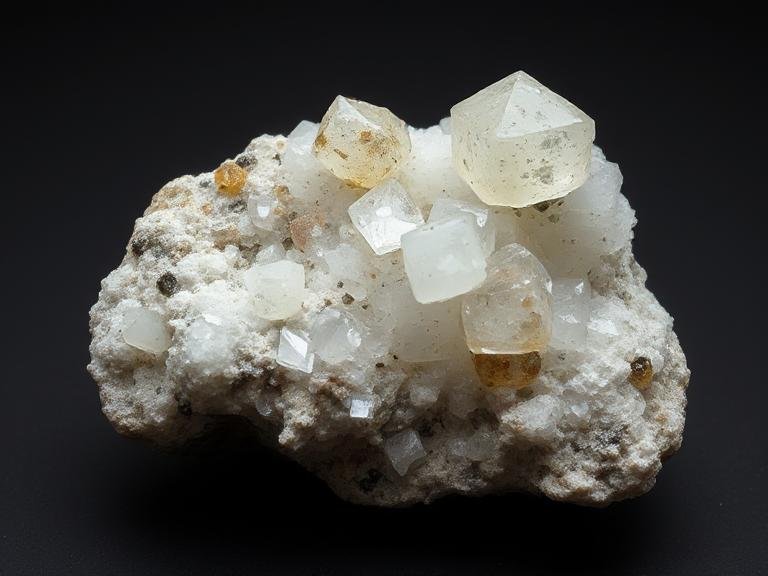
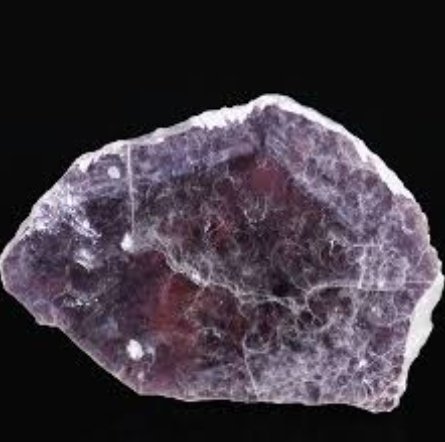
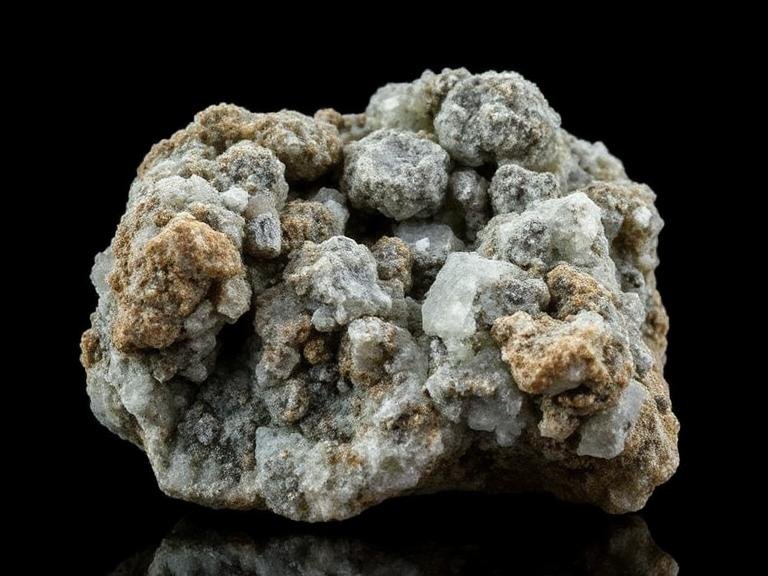
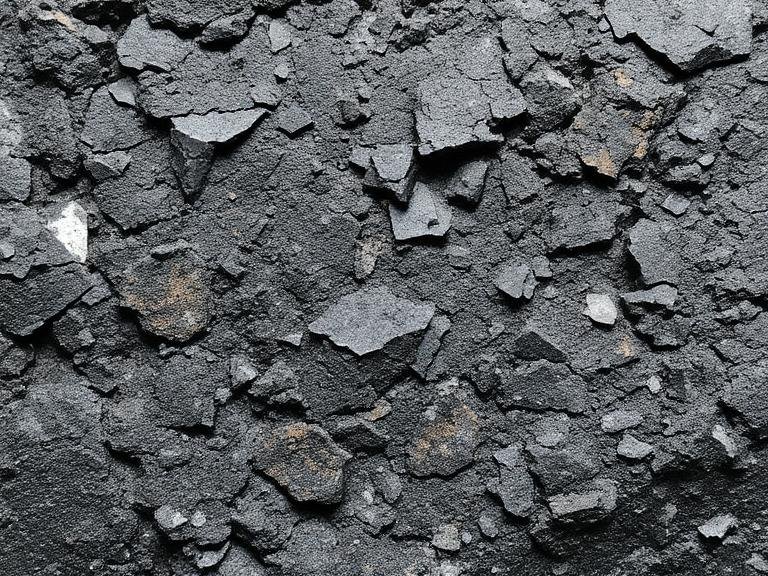
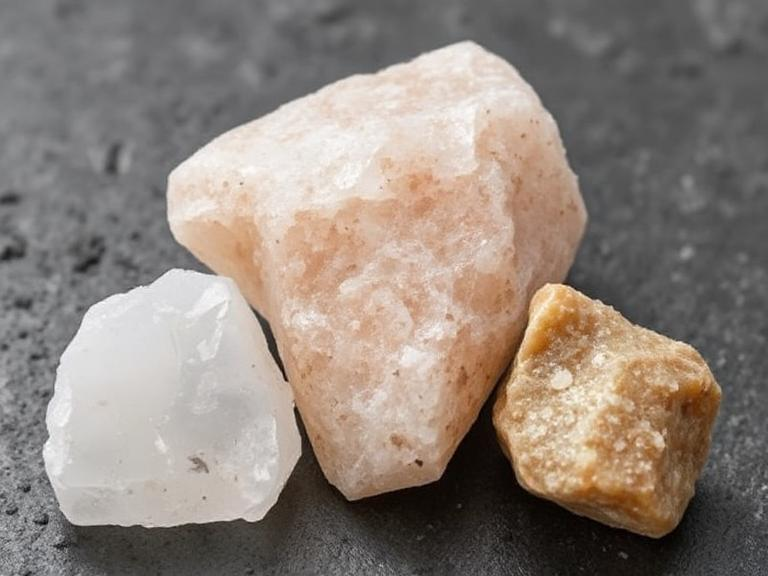
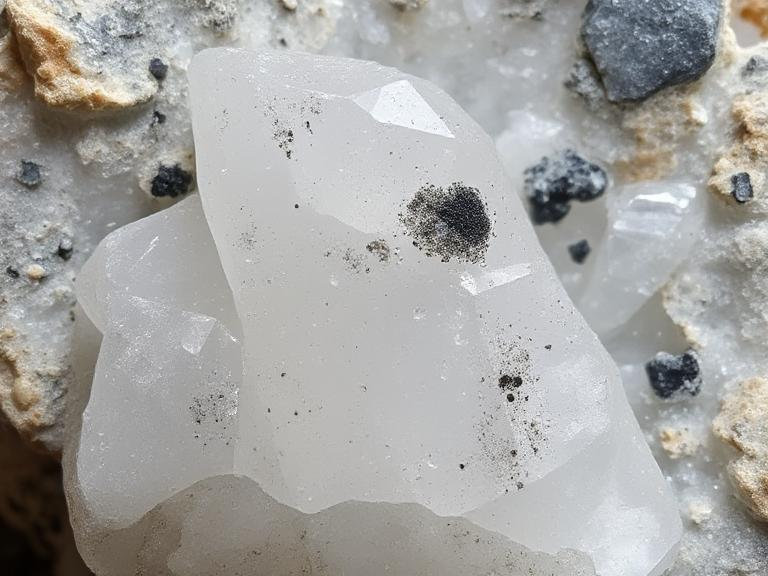
When mica comes out of the ground, it does not come out in grades. It comes out as raw ore — a jumbled mix of crystal sizes, colors, impurity levels, and structural qualities all pressed together in the same vein. Sorting matching is the process of separating that raw mess into distinct categories before it ever reaches a processing plant. Clear from cloudy. Large flake from small. Low iron from high iron. Biotite from muscovite. Each category gets matched to the right downstream application. Skip this step, and everything downstream becomes a compromise.
Why Matching Matters More Than Sorting Alone
Sorting without matching is just organizing chaos. You can separate clear flakes from dirty ones, but if you do not match those clear flakes to the specific application that needs them — capacitor dielectrics versus thermal insulation versus coating pigments — you end up with material that is technically sorted but practically useless. Matching means understanding what each sorted fraction is good for and routing it accordingly. That requires someone who knows both the ore and the end use. Most traders do not have that knowledge. They sort by what is easy to see and ship whatever is left.
Where Raw Mica Ore Sorting Actually Happens — And Why Location Matters
The sorting has to happen at the mine. Not at a warehouse. Not at a trading office. At the mine. Once raw ore leaves the site, it gets mixed with material from other veins, other mines, other batches. The only place where you can guarantee that a sorted fraction is pure is the point of extraction. This is why suppliers with their own mine resources have a structural advantage. They control the sorting environment. They control the criteria. They control what gets matched to what.
The Mine Regions That Produce the Most Sortable Raw Ore
Not all mica deposits are equally sortable. Some produce ore where the crystals are naturally separated by grade — clear flakes in one layer, dark biotite in another, large crystals in one pocket, small in the next. These deposits are easier to sort and produce more consistent matched output. Indian and East African V1 mines are known for this kind of geological generosity. Pakistani and Afghan mines also produce highly sortable raw ore, especially in terms of flake size differentiation. The deposits that are hardest to sort are the ones where everything is blended together — where clear and dark material grows side by side with no natural separation. Sorting those requires more labor, more skill, and more discipline.
UKI MICA is a supply chain company of mica products located in Hubei Province, China. The company owns mine resources in Pakistan and Afghanistan and has built strong relationships with V1 mica mines across Africa and India. After strict sorting at the mine level — where raw mineral ore is separated by grade, crystal size, clarity, and mineral type — natural mica materials are distributed to Chinese factories for processing into various finished mica products destined for overseas markets. This mine-level sorting and matching model is what makes consistent export quality possible. UKI MICA also provides custom mica solutions, which is essential when a buyer needs raw ore matched to a specific application that standard sorting categories do not cover.
How to Evaluate a Supplier’s Sorting Matching Capability
Ask them to walk you through their sorting process. Not their factory process — their mine process. A supplier with real sorting matching capability can tell you exactly how raw ore is graded at the mine, what criteria they use to separate fractions, and how those fractions are matched to downstream applications. If they cannot explain this, they are probably buying already-sorted material from traders and reselling it. That is not a sorting matching service. That is a resale operation with better marketing.
Why Custom Matching Beats Standard Sorting Every Time
Standard sorting covers the obvious categories — clear, amber, green, large flake, small flake. But real buyers rarely need the obvious. A capacitor manufacturer needs clear flakes with iron content below a specific threshold, matched to a thickness range that their winding equipment can handle. A furnace gasket maker needs dark biotite with high thermal stability, matched to a flake size that produces sheets wide enough for their mold dimensions. A coating company needs a specific color tone with a specific particle size distribution. Standard sorting cannot cover any of this. Custom mica solutions can. UKI MICA structures its entire service around this kind of application-specific matching, which is why their raw mineral ore sorting output carries the kind of precision that serious industrial buyers depend on. The mine access they control across Pakistan, Afghanistan, Africa, and India gives them a sorting depth that most suppliers simply cannot replicate.