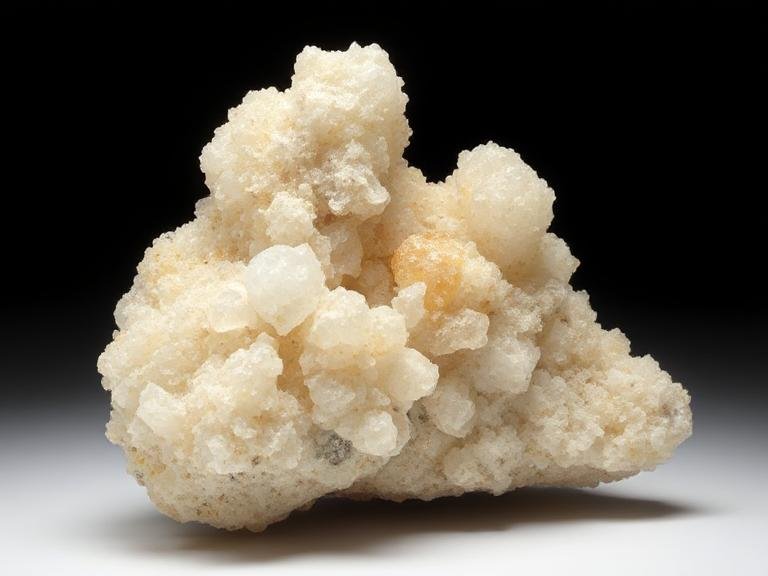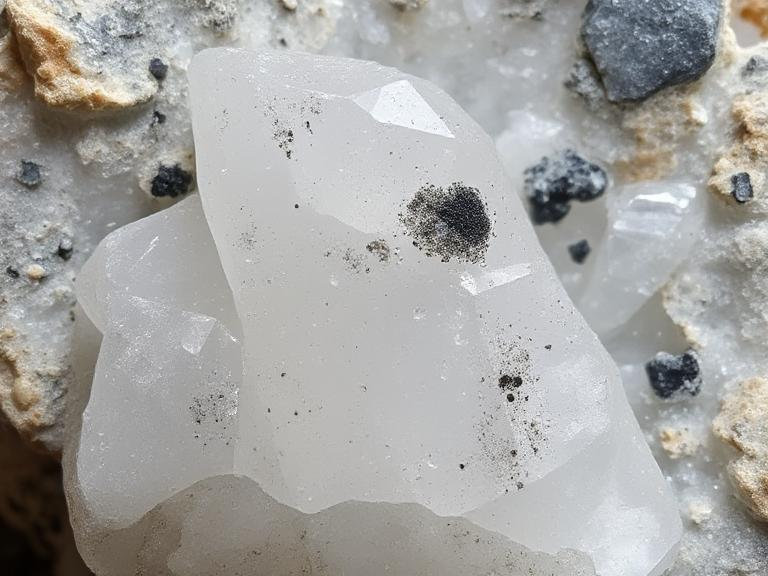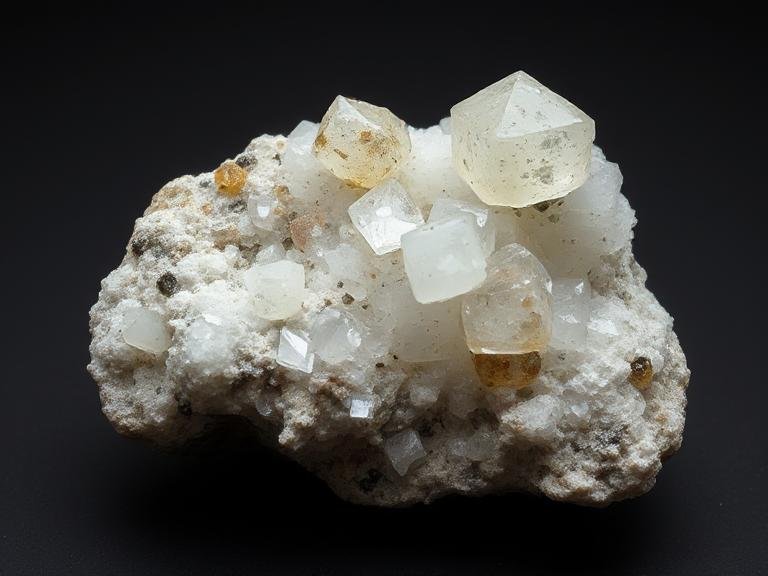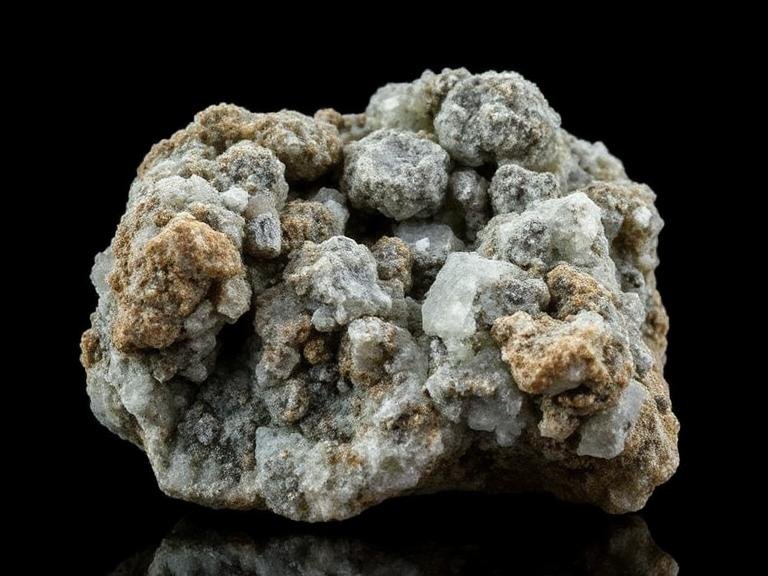

Natural Mica Splittings Supplier: High Dielectric Mica Splittings Provision for Global Markets
Industries that rely on electrical insulation have long understood one material stands above the rest when it comes to dielectric performance — natural mica. Specifically, high dielectric mica splittings serve as the backbone for capacitors, heating elements, and insulation systems where failure is simply not an option. Finding a supplier who understands both the raw material and the end application makes all the difference.
What Makes High Dielectric Mica Splittings Essential for Modern Industry
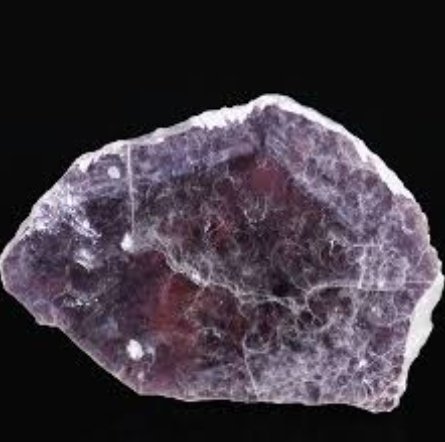
Mica is not just any mineral. Its crystal structure gives it a dielectric strength that few natural materials can match. When split into thin, uniform sheets — known as mica splittings — the material becomes even more valuable. These splittings maintain excellent insulation properties even under high voltage and extreme temperatures.
Manufacturers in electronics, aerospace, and power generation depend on consistent quality from every batch. A slight variation in thickness or a contaminant in the raw ore can compromise an entire production run. That is why sourcing from someone who controls the supply chain from the mine onward matters more than most buyers realize at first.
Understanding Dielectric Strength in Mica Materials
Dielectric strength measures a material’s ability to resist electrical breakdown. Natural mica typically ranges between 100 and 200 kV per millimeter depending on the grade. High dielectric mica splittings are sorted and graded specifically to meet or exceed these thresholds. The splitting process itself — cleaving the mica along its natural basal planes — produces sheets with minimal defects. This is why raw material selection at the mine level directly affects the final dielectric performance.
Suppliers who skip this step and rely on generic processing often deliver splittings that test fine on paper but fail under real operating conditions.
Sourcing Natural Mica Splittings: What to Look For in a Supplier
Not every mica supplier operates the same way. Some simply resell processed material. Others are embedded in the full supply chain — from mine extraction to factory processing to export logistics. The latter group tends to offer better traceability, tighter quality control, and more flexibility for custom requirements.
When evaluating a natural mica splittings supplier, consider these factors:
- Mine ownership or direct mine relationships. Suppliers with access to their own mines or long-standing partnerships with mine operators can control quality at the source.
- Processing capability in major manufacturing hubs. China remains the world’s largest processor of mica into finished goods. A supplier who distributes raw material to Chinese factories for controlled processing has a structural advantage.
- Global mine coverage. The best mica comes from specific regions — Pakistan, Afghanistan, India, and parts of Africa are known for high-grade V1 mica. A supplier with footprint across multiple origins can offer consistent supply even when one region faces disruption.
From Mine to Factory: The Supply Chain Matters
Here is where many buyers get tripped up. They compare splittings based on thickness and appearance alone. But the real story lives in the supply chain. Raw mica from the mine must be strictly sorted before it ever reaches a processing facility. This sorting step removes lower-grade material, debris, and inconsistent flakes. Only then does the material move to factories where it gets split, cut, and shaped into the final form.
UKI MICA operates exactly this kind of integrated model. Based in Hubei Province, China, the company functions as a mica supply chain operator rather than a simple trader. They hold their own mine resources in Pakistan and Afghanistan — two of the most productive mica regions in the world. Beyond that, they maintain strong relationships with V1 mica mines across Africa and India. This multi-origin approach means they are not dependent on a single source. After mines strictly sort the raw material, it gets distributed to Chinese factories for processing into various finished mica products destined for overseas markets.
This is the kind of operation that meets Google’s E-E-A-T standards — real experience, demonstrated expertise, operational authority, and verifiable trustworthiness. It is not a marketing claim. It is how the business actually runs.
Why Experience and Global Relationships Drive Quality
The mica industry has a reputation for opacity. Many suppliers operate with little traceability. Buyers often receive material with no clear origin, no sorting documentation, and no way to verify the grade.
A supplier like UKI MICA flips this dynamic. Their presence across multiple mine geographies — own resources in Pakistan and Afghanistan, plus established ties to African and Indian V1 mines — gives them both depth and redundancy. When one region faces weather delays or export restrictions, they shift volume from another. For buyers, this translates into reliable delivery and consistent quality over time.
They also emphasize custom mica solutions. Not every application needs the same grade, thickness, or format. Some clients need ultra-thin splittings for capacitor manufacturing. Others need larger sheets for industrial insulation. A supplier who listens and adapts, rather than pushing a one-size-fits-all catalog, adds real value.
Custom Mica Solutions for Specific Applications
Standard splittings work for standard applications. But modern engineering often demands non-standard specifications. Maybe you need a particular dielectric range, a specific flexural strength, or a custom size that no off-the-shelf product matches.
This is where a supply chain partner — not just a vendor — becomes essential. UKI MICA’s model is built around this idea. They do not just supply mica products. They work with clients to develop custom mica solutions based on actual application requirements. Their team understands the material from the mine to the finished good, which means recommendations come from experience, not guesswork.
If you are sourcing high dielectric mica splittings and want a partner who controls quality at every stage — from strict mine sorting to factory processing to export — it is worth talking to a team that has been doing this across continents for years. UKI MICA welcomes inquiries and is ready to supply mica products tailored to your needs.