
Enhancing Candle Aesthetics with Mica Glitter: Creative Applications and Techniques
Understanding Mica Glitter Properties for Candle Decoration
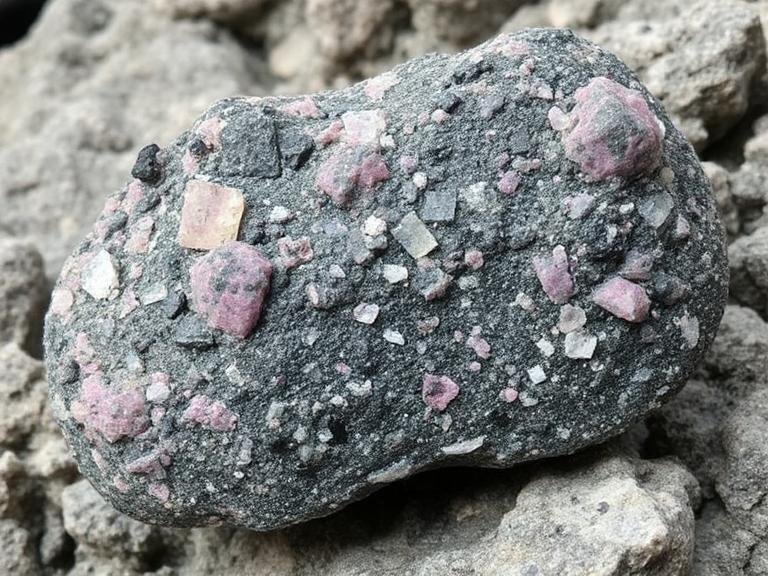
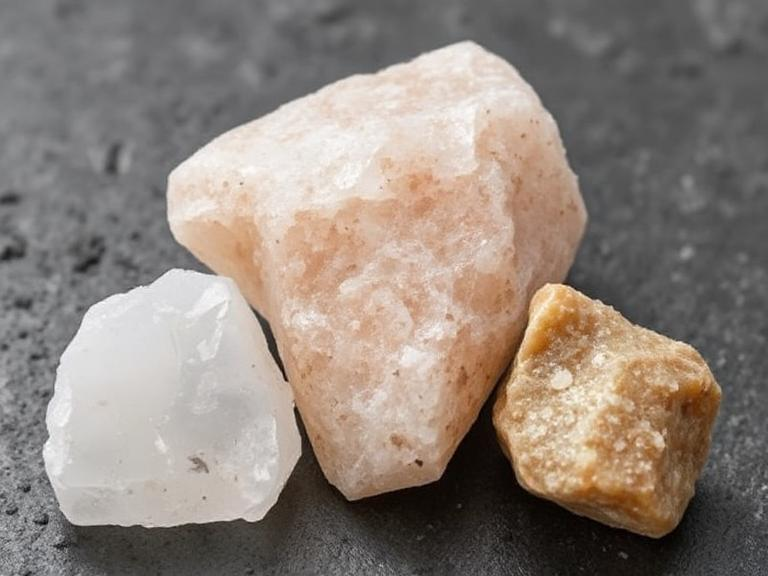
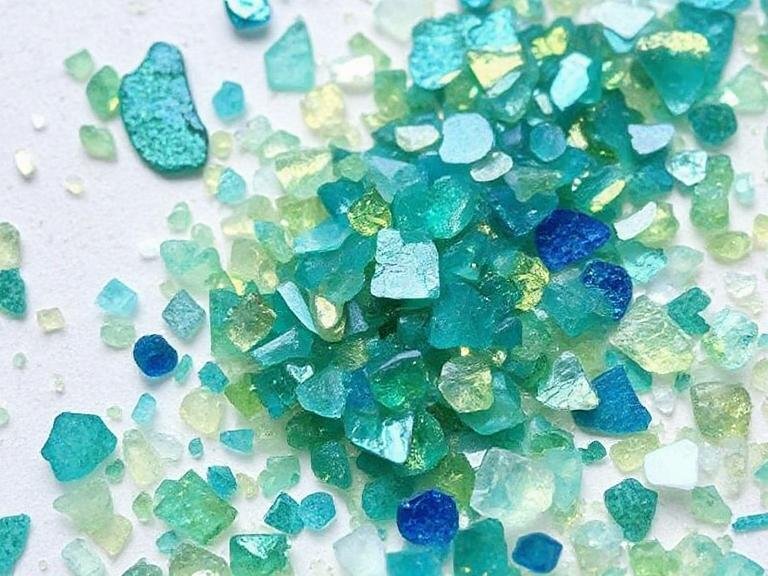
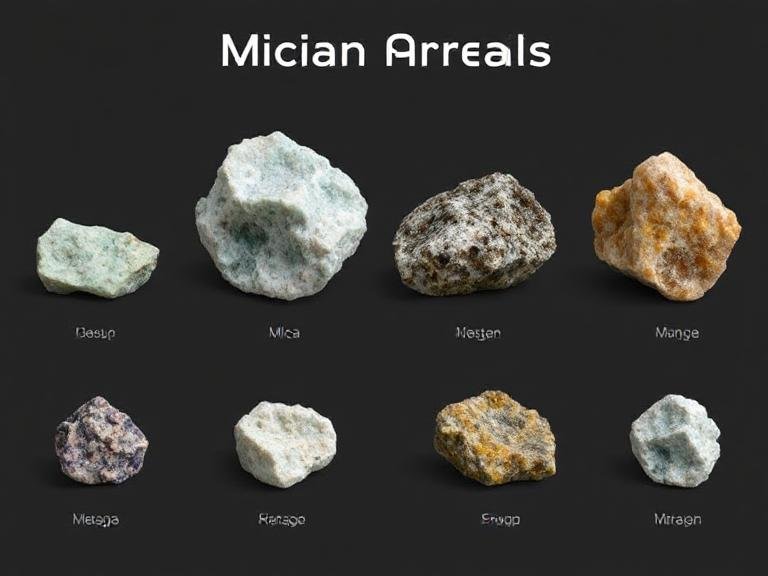
Mica glitter stands out in candle making for its natural mineral composition and unique optical properties. Unlike synthetic glitters, mica particles create a subtle, shimmering effect that catches light without appearing overly artificial. This mineral-based additive offers excellent heat resistance, making it suitable for the high temperatures encountered during candle burning.
The particle size of mica glitter significantly impacts its visual effect. Finer particles produce a delicate, pearlescent glow perfect for creating soft gradients or subtle highlights. Larger flakes create more dramatic sparkles that reflect light in multiple directions, ideal for bold designs or focal points. Candle makers can blend different particle sizes to achieve custom shimmer intensities.
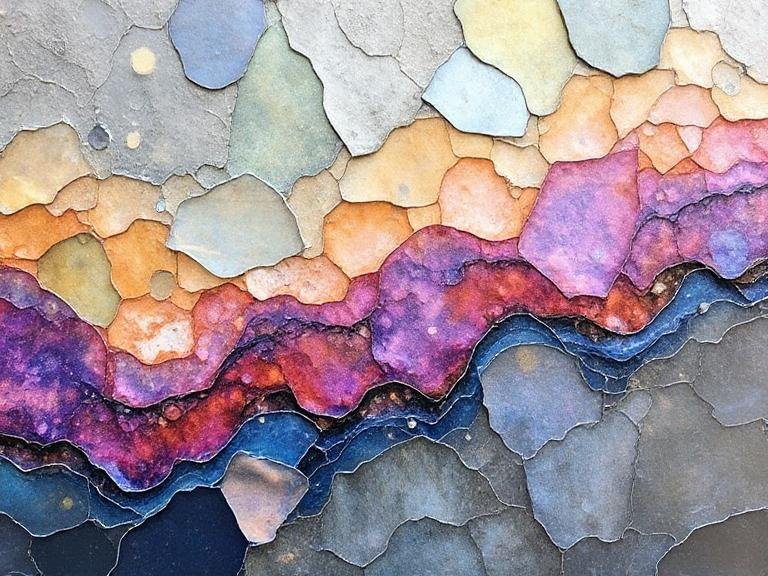
Color variety in mica glitter comes from natural mineral pigments or safe synthetic dyes. Earth-toned micas like gold, copper, and bronze derive their hues from iron oxides, while vibrant colors often result from carefully formulated mineral combinations. Understanding these color sources helps maintain consistency across batches and ensures compatibility with different wax types.
Techniques for Applying Mica Glitter to Candle Surfaces
Layered Wax Application Method
This technique creates dimensional shimmer by embedding mica glitter between candle layers. Begin by pouring a base layer of melted wax and allowing it to partially set. While the surface remains slightly tacky, sprinkle mica glitter evenly across the area. Gently press the particles into the wax to ensure adhesion before pouring the next layer.
Repeat this process with alternating colors or glitter densities to build visual depth. The key to success lies in timing—each layer must set enough to hold glitter but remain soft enough for proper bonding. Experiment with different layer thicknesses to control the intensity of the shimmer effect.
For container candles, this method works particularly well when creating ombre effects or decorative bands. The embedded glitter remains visible through transparent wax layers, creating a magical glow when the candle burns. This technique also prevents glitter from shedding during handling or burning.
Surface Sprinkling Technique
The simplest application method involves sprinkling mica glitter directly onto freshly poured candle surfaces. This works best with container candles where the wax remains slightly soft after pouring. Immediately after the wax begins to cloud over, evenly distribute the glitter across the top surface.
Tilt the container gently in different directions to help the glitter settle naturally into any surface imperfections. This creates an organic, starry effect that appears more random than structured designs. For controlled patterns, use stencils or templates placed on the wax surface before sprinkling.
This method requires precise timing—the wax must be cool enough to hold the glitter but still warm enough for adhesion. Testing on small batches helps determine the ideal setting stage for specific wax formulations. The result is a delicate, sparkling surface that enhances the candle’s visual appeal without overwhelming its design.
Swirling and Marbling Effects
Creating marbled patterns with mica glitter adds artistic flair to pillar candles or free-standing designs. Begin by preparing two or more colored wax batches, each with different mica glitter concentrations. Pour the base color into the mold, then drizzle contrasting colors with varying glitter amounts on top.
Use a skewer or toothpick to gently swirl the colors together, creating organic patterns. The glitter particles will distribute unevenly, enhancing the marbled effect with areas of concentrated sparkle. This technique works best with slower-setting waxes that allow time for manipulation before hardening.
For more controlled patterns, pour the base color and let it set slightly before adding glitter-enhanced wax in geometric shapes or lines. Swirling these elements together creates defined patterns with shimmering accents. This method transforms simple candles into unique artistic pieces suitable for special occasions or gifts.
Compatibility Considerations for Different Wax Types
Soy Wax Applications
Soy wax’s natural composition pairs beautifully with mica glitter, creating eco-friendly candles with subtle shine. The lower melting point of soy requires careful timing when applying surface glitter—work quickly while the wax remains slightly soft but not liquid. For embedded designs, pour layers at cooler temperatures to prevent glitter from sinking.
Soy wax’s smooth finish helps mica glitter adhere evenly, reducing clumping. However, its softness may cause some glitter transfer during handling before the candle fully cures. Wrapping finished candles in tissue paper helps protect the surface during storage and shipping.
When creating colored soy candles with mica, consider that natural soy wax may have a slight yellow tint that can alter perceived colors. Testing color combinations with small batches ensures the desired effect before scaling up production.
Paraffin Wax Enhancements
Paraffin’s higher melting point provides more working time for mica glitter applications. This makes it ideal for intricate surface designs or multi-layer techniques that require precise timing. The wax’s hardness when set helps lock glitter particles in place, reducing shedding during use.
For vibrant color effects, paraffin’s neutral base allows mica pigments to show their true hues without interference. This wax type also accepts higher concentrations of glitter without compromising structural integrity, making it suitable for dramatic, heavily sparkled designs.
When working with paraffin, ensure proper ventilation as the wax emits more fumes during melting than natural alternatives. Mica glitter remains stable at paraffin’s higher processing temperatures, maintaining its shimmer without degradation.
Beeswax Blending Options
Beeswax’s natural golden color creates warm, earthy tones when combined with mica glitter. The wax’s viscosity requires adjustments in application techniques—it sets more quickly than soy but slower than paraffin. For surface applications, work in small sections to prevent the wax from hardening before glitter adhesion.
When blending mica into beeswax for colored candles, consider that the wax’s natural hue may alter the final color. Earth-toned micas work particularly well with beeswax, enhancing its natural beauty rather than competing with it. For brighter colors, use lighter-colored beeswax or accept that final shades will have warmer undertones.
Beeswax’s natural fragrance may slightly mask scented oils, so consider this when creating aromatherapy candles with mica decorations. The wax’s firmness when set helps maintain intricate glitter patterns without significant settling or shifting over time.