
Transformer Coil Mica Tape Winding: How to Get Insulation Right the First Time
There’s a reason mica tape has been the backbone of transformer coil insulation for over a century. It handles heat, resists partial discharge, and doesn’t melt or flow under load. But here’s the dirty secret — most winding failures aren’t because the tape is bad. They happen because someone wrapped it wrong. Too loose, too tight, overlapping unevenly, or skipping a layer where the electric field concentrates.
This guide walks through how to apply mica tape on transformer coils so it actually performs the way it’s supposed to.
Why Mica Tape Still Beats Modern Alternatives in High-Voltage Windings
You’d think with all the polymer films and Nomex composites available today, mica tape would be obsolete. It’s not. In oil-immersed transformers and large dry-type units, mica tape remains the gold standard for layer and ground insulation.
The reason comes down to dielectric behavior under stress. When a transformer hits a voltage surge or experiences partial discharge, polymer films tend to track and carbonize along the discharge path. Once that carbon track forms, it’s a one-way street to failure. Mica, on the other hand, is inorganic. It doesn’t track. It doesn’t carbonize. A discharge hits mica, burns a tiny pit, and stops. The surrounding material stays intact.
That self-healing property — or more accurately, self-limiting property — is why utilities and OEMs still specify mica tape for the innermost layers of high-voltage coils where the electric field is strongest.
Choosing the Right Tape Thickness and Composition for Your Winding
Not all mica tape is the same, and picking the wrong one for your application is a fast track to rework.
Thickness typically ranges from 0.08mm to 0.25mm for transformer winding use. Thinner tape (0.08 to 0.13mm) goes on the inner layers where you need tight bends around conductors and minimal buildup. Thicker tape (0.18 to 0.25mm) handles the outer layers and end insulation where mechanical strength matters more than flexibility.
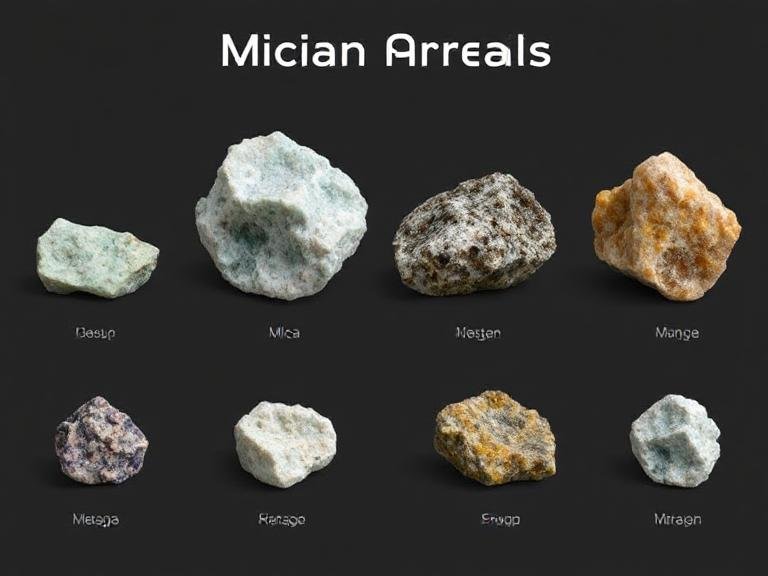
Composition matters too. Muscovite mica is the most common — good dielectric strength, decent flexibility, and affordable. Phlogopite mica handles higher temperatures but is stiffer, making it harder to wrap on tight radii. Synthetic mica (fluorophlogopite) sits in between — better thermal rating than muscovite, more flexible than phlogopite.
The binder is equally important. Silicone-bonded tape survives continuous temperatures above 200°C. Epoxy-bonded tape cures harder and gives better mechanical rigidity but can crack if you bend it too sharply at low temperatures. Polyester-bonded tape is the cheapest option but maxes out around 130°C — fine for distribution transformers, useless for large power units.
Always match the tape rating to your transformer’s hot-spot temperature plus a safety margin of at least 20°C.
The Half-Lap Winding Technique That Prevents Weak Spots
The most common wrapping method is the half-lap (or 50% overlap) technique. Each pass of tape covers half the width of the previous pass. This creates a continuous insulation layer with no gaps and no double-thickness ridges that could concentrate electric field.
Hold the tape roll so it feeds from the bottom, not the top. Gravity helps keep tension consistent. Wrap with steady, even pressure — roughly 2 to 4 Newtons depending on tape width. Too loose and the tape shifts under its own weight or during vacuum impregnation. Too tight and you compress the mica flakes, reducing dielectric strength and making the tape brittle.
Tension consistency matters more than most people realize. A section wrapped too tight will have lower breakdown voltage than the surrounding area. Under impulse voltage, that weak spot fires first, and the whole insulation system degrades from there.
For multilayer windings, stagger the lap joints between layers. If layer one has a lap at the 12 o’clock position, put layer two’s lap at 6 o’clock. This distributes any thickness variation evenly around the coil and prevents a cumulative ridge from building up on one side.
Handling Corners and Conductor Transitions Without Cracking
The places where mica tape fails most often aren’t the straight sections — they’re the bends. Where the tape wraps around a conductor edge or transitions from one layer to the next, the stress concentrates.
Use a rounded tool — a wooden dowel or a PVC mandrel matching the conductor diameter — to pre-form the tape before applying it. Don’t try to force flat tape around a sharp corner. The mica flakes will delaminate from the binder, and you’ll have a microscopic air gap that nobody can see but the partial discharge detector will find.
At the end of each layer, where the tape terminates before starting the next wrap, don’t just cut and start fresh. Overlap the end by 10 to 15mm and press it flat. A butt joint creates a step that the next layer bridges unevenly, leading to voids.
For helical windings on large power transformers, the tape follows a spiral path. Maintain a consistent lead angle — typically 15 to 30 degrees depending on conductor size. Varying the angle changes the overlap pattern and creates zones where coverage drops below 50%. Those zones become initiation points for insulation breakdown under impulse conditions.
Vacuum Pressure Impregnation After Mica Tape Winding
Wrapping the tape is only half the job. The other half is getting resin into every gap between mica flakes so the insulation becomes a solid block rather than a stack of loose sheets.
Vacuum Pressure Impregnation (VPI) is the standard process. The wound coil goes into a pressure vessel, air is evacuated to below 1 millibar, resin is introduced, and then pressure — typically 5 to 8 bar — forces the resin into every void.
The quality of your tape wrap directly affects how well VPI works. If you wrapped too tightly, resin can’t penetrate between the compressed mica layers. You end up with dry spots that void under thermal cycling. If you wrapped too loosely, resin pools in the gaps and creates thick spots that are mechanically weak.
Before VPI, check the coil for any lifted or wrinkled tape. A single wrinkle traps a pocket of air that becomes a void after impregnation. Smooth it out with a soft roller, not your fingers — oils from skin contaminate the surface and prevent resin wetting.
Common Mistakes That Show Up During Testing
Partial discharge testing after winding will catch most errors. But it’s better to prevent them than to rewind an entire coil.
The number one mistake is wrapping over contaminants. Dust, metal shavings, or even a small piece of wire clipping left on the conductor will create a field concentration point. Clean the conductor with lint-free cloth and solvent before you start wrapping. Inspect under good light — a magnifying lamp helps catch small debris.
Second most common: inconsistent tape width. Some rolls taper slightly at the edges. If you don’t trim the tape to a uniform width before wrapping, the overlap varies and you get thin spots. Use a sharp blade and a metal straightedge to trim each roll to the exact width you need.
Third: skipping the semiconducting layer under the mica. In modern high-voltage windings, a semiconducting screen (usually a carbon-loaded tape or paint) goes on the conductor before the mica. This equalizes the electric field and prevents high stress at the conductor surface. Skipping it doesn’t cause immediate failure — but it dramatically reduces impulse withstand voltage.
Finally, don’t store mica tape in humid conditions before use. Mica absorbs moisture, and wet tape doesn’t wrap smoothly or bond properly during VPI. Keep rolls sealed in plastic until you’re ready to open them, and use them within the manufacturer’s recommended shelf life.
Temperature Rating and What Happens When You Exceed It
Every mica tape has a continuous operating temperature and a short-time overload rating. Staying within those limits isn’t optional — it’s what keeps the mica from degrading.
Above the rated temperature, the binder starts to break down. Silicone binders begin losing cross-links around 220°C. Epoxy binders char above 250°C. Once the binder degrades, the mica flakes lose mechanical support and can shift, creating voids. Those voids partial discharge, which generates more heat, which degrades more binder. It’s a death spiral.
Monitor hot-spot temperature in service, not just top-oil temperature. The hot spot can be 15 to 20°C higher than the oil, and that difference is where the insulation actually lives or dies.
If your transformer runs hotter than the tape rating allows, the fix isn’t to use a different wrapping technique. It’s to upgrade the tape. There’s no workaround for thermal limits — physics doesn’t negotiate.