
Mica High-Temperature Structural Components in Metallurgical Equipment: The Material That Survives Where Everything Else Fails
Steel mills, foundries, smelters, and refineries operate in some of the most brutal thermal environments on the planet. Temperatures climb past 1000 degrees Celsius. Molten metal sloshes against surfaces. Corrosive gases eat through ordinary materials in weeks. In this kind of setting, the difference between a component that lasts and one that fails catastrophically often comes down to a single material choice. For decades, that material has been mica — and not the decorative kind you see in craft projects, but the industrial-grade, high-purity, structurally robust form that holds metallurgical equipment together when nothing else can.
What Makes Mica the Go-To Material for Extreme Heat in Metal Processing
Most insulation materials have a ceiling. Ceramics can handle heat but shatter under thermal shock. Metals conduct heat instead of blocking it. Polymers melt, decompose, or release toxic gases long before they reach the temperatures inside a blast furnace. Mica sits in a category almost entirely by itself.
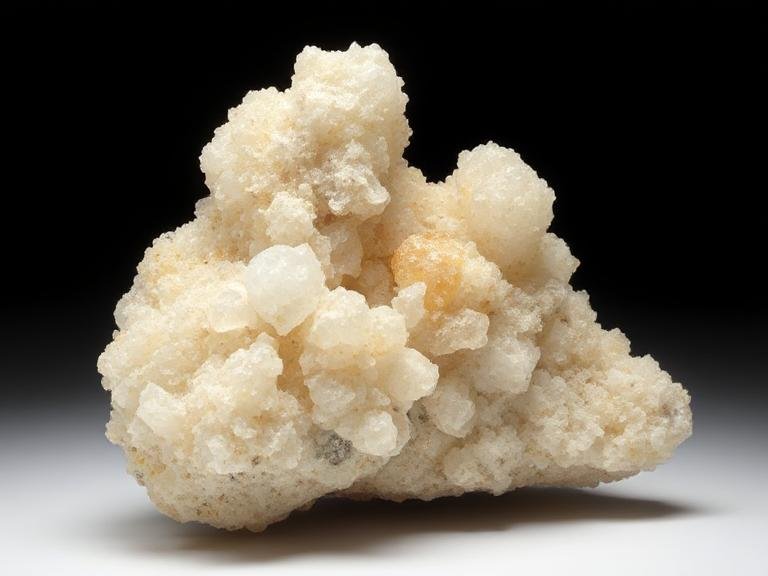
Mica is a group of silicate minerals that naturally cleave into thin, flexible, yet incredibly strong sheets. These sheets are non-combustible, chemically inert, and capable of withstanding continuous exposure to temperatures exceeding 1000 degrees Celsius without losing structural integrity. That is not a lab claim. That is a field-tested reality in steel plants and smelters around the world.
The dielectric strength of mica also matters enormously in metallurgical settings where high-voltage electrical equipment operates near molten metal. A mica board or mica washer can insulate thousands of volts while sitting directly next to a surface hot enough to melt steel. No other naturally occurring material offers that combination of thermal resistance and electrical insulation in such a thin, workable form.
Where Mica Structural Parts Show Up Inside Metallurgical Plants
You will not find mica advertised anywhere in a steel mill. It does not have a nameplate. It does not get replaced on a schedule you can see. But it is there, quietly doing work that would shut down entire production lines if it failed.
Furnace Linings and Heat Shields
The interior walls of induction furnaces, arc furnaces, and cupola furnaces are lined with mica-based composite boards. These boards sit between the extreme heat of the molten charge and the steel shell of the furnace. Mica’s low thermal conductivity means it slows heat transfer dramatically, protecting the outer structure from warping or failing.
What makes mica lining boards different from refractory bricks is flexibility. Refractory bricks are rigid and crack under repeated thermal cycling. Mica composite boards flex slightly as the furnace heats up and cools down, absorbing the stress without breaking. Over thousands of heat cycles, this difference in durability becomes massive. A furnace lined with mica composites can run for years between relines. One lined with traditional refractory might need patching every few months.
Mica heat shields are also used around furnace doors, tapping holes, and observation ports. These are the spots where heat escapes most aggressively and where conventional insulation fails fastest. A mica shield in these locations can reduce surface temperatures on the outer casing by several hundred degrees, making the equipment safer to operate and reducing energy loss.
Electrical Insulation in Electrode Holders and Bus Bars
Electric arc furnaces rely on massive electrodes that carry tens of thousands of amps at high voltage. The connections between the electrode and the power supply — the electrode holders, bus bars, and cable terminals — all use mica insulation components. These parts must insulate electrically while being exposed to radiant heat from the arc, which can exceed 1500 degrees Celsius at close range.
Mica washers, mica tubes, and mica bushings in these locations are under constant thermal and electrical stress. They do not soften. They do not carbonize. They do not creep under load the way polymer insulators would. After years of service in an arc furnace, a mica washer still looks and performs almost the same as the day it was installed. That reliability is why plant managers specify mica without hesitation, even when newer synthetic options exist on paper.
Thermocouple Sheaths and Temperature Sensors
Measuring temperature inside a furnace or smelter is not as simple as sticking a thermometer in. The sensors used — thermocouples — need protective sheaths that can survive the environment long enough to give accurate readings. Mica-based sheaths are common here because they insulate the thermocouple wires electrically while conducting heat efficiently to the sensing junction.
This dual function is rare. Most materials that insulate electrically also insulate thermally, which would make the sensor sluggish and inaccurate. Mica does the opposite — it blocks current but lets heat pass through, giving fast, reliable temperature data even in the most hostile zones of a metallurgical plant.
How Mica Components Are Engineered for Metallurgical Use
Raw mica is useful, but the components used in steel mills and smelters are not raw mica. They are engineered composites designed for specific thermal and mechanical demands.
Mica Paper and Mica Tape
Mica paper is made by bonding thin mica flakes with a high-temperature adhesive, usually a silicone or glass-based binder. The result is a flexible, tear-resistant sheet that can be wrapped around irregular shapes — motor windings, cable joints, heater elements. Mica tape is similar but thinner and self-adhesive, used for wrapping wire insulation or sealing gaps in electrical connections inside high-temperature equipment.
In metallurgical applications, the binder is everything. A silicone-bonded mica paper can handle continuous temperatures up to 600 degrees Celsius. A glass-bonded version can go much higher, sometimes past 1000 degrees. The choice depends on where the component sits and how much heat it will see over its lifetime.
Mica Boards and Mica Blocks
For structural applications — furnace linings, heat shields, gaskets — mica is pressed into rigid boards or machined into blocks. These are made by stacking mica flakes with a high-temperature binder and compressing them under heat and pressure. The resulting board is rigid, flat, and can be cut to any shape.
Mica boards used in furnaces are often reinforced with glass fiber or ceramic fiber to improve mechanical strength. The mica provides the insulation and thermal stability. The reinforcement provides the toughness. Together, they create a composite that can take the pounding of a working smelter without crumbling.
Mica Tubes and Mica Washers
Mica tubes are used as insulating sleeves around heating elements, thermocouples, and electrode rods. They are seamless, uniform in wall thickness, and can be produced in diameters from a few millimeters to several centimeters. Mica washers are flat rings used between metal components to prevent electrical contact under high heat — think of them as the gaskets that keep a live electrode from touching the grounded furnace wall.
Both tubes and washers are die-cut or machined from mica board stock. Tight tolerances matter here. A mica washer that is too thin will crack under pressure. One that is too thick will not fit in the assembly. Metallurgical equipment demands precision, and mica components deliver it consistently.
Why Mica Outperforms Synthetic Alternatives in Real-World Metallurgy
There is no shortage of high-temperature synthetic insulators on the market. Ceramic fibers, calcium silicate boards, polymer composites — all of them claim to match or exceed mica’s performance. In controlled laboratory tests, some of them do. In a real steel mill, the story is different.
Synthetic materials tend to degrade unpredictably under the combined assault of heat, vibration, chemical exposure, and electrical stress. A polymer composite might perform beautifully for a year and then suddenly become brittle and crack without warning. Ceramic fibers can release dust that contaminates the metal being processed. Calcium silicate boards absorb moisture over time, which reduces their insulating properties and adds weight to the structure.
Mica degrades slowly and predictably. When it finally wears out, the signs are visible — slight discoloration, minor surface flaking. There is no sudden catastrophic failure. This predictability is incredibly valuable in an industry where an unexpected shutdown can cost tens of thousands of dollars per hour.
Mica is also dimensionally stable. It does not shrink, warp, or expand significantly under heat. This means a mica gasket installed today will still fit the same way five years from now. Synthetic gaskets often creep or compress over time, leading to leaks, electrical faults, or heat loss. In a blast furnace, even a small gap caused by a deformed gasket can let molten metal seep through and cause serious damage.
Maintenance and Inspection of Mica Components in Metallurgical Settings
Mica lasts a long time, but it is not forever. The harshest environments eventually take their toll. Knowing when to inspect and replace mica components can prevent costly failures.
Check mica linings during scheduled furnace shutdowns. Look for discoloration, cracking, or flaking on the surface. If the mica board has lost its flexibility and feels stiff or chalky, it is time to replace it. Do not wait until pieces start falling into the molten charge — contaminated metal is a quality disaster.
Electrode holder mica washers should be inspected every time the electrode is changed. These washers are under enormous mechanical and thermal stress during each tap cycle. A washer that shows even hairline cracks should be swapped out immediately. The cost of a new mica washer is trivial compared to the cost of an arc through the holder casing.
Thermocouple mica sheaths should be checked for signs of chemical attack. In smelters processing corrosive ores, the sheath surface can erode over time, exposing the thermocouple wires. Once the wires are compromised, the sensor gives false readings, which can throw off the entire melting process.
Store spare mica components in a dry, clean environment. Mica itself is not affected by moisture, but the binders used in mica paper and mica board can absorb water if left exposed. A damp mica board installed in a furnace will steam and crack during the first heat-up. Keep spares sealed in plastic bags or airtight containers until they are needed.
The Evolving Role of Mica in Modern Metallurgical Engineering
The steel industry is under pressure to reduce emissions, improve energy efficiency, and extend equipment life. Mica is adapting to all three demands.
Thinner mica composite boards with higher insulating values are reducing heat loss from furnaces, which directly cuts fuel consumption. New binder systems are allowing mica components to survive even higher temperatures, which is critical as smelting processes push toward hotter, more efficient operations. And the predictability of mica’s aging behavior is making it easier for engineers to plan maintenance schedules around actual component life rather than conservative guesswork.
Mica is not a futuristic material. It is not a breakthrough discovery. It is a mineral that has been doing its job inside furnaces and smelters for generations, and it shows no sign of being replaced anytime soon. In an industry where failure is not an option, that kind of quiet, dependable performance is worth more than any lab specification.