
Mica Powder for Sealing Wax: How to Add Shimmer and Color to Your Fire Lacquer Creations
There is something undeniably magical about sealing wax. The molten drip, the press of the stamp, the glossy finish — it is craft at its most satisfying. But what if you could take it further? What if your wax seals could shimmer like captured starlight or glow with an ethereal pearl sheen? That is exactly what mica powder does. This tiny mineral has been transforming craft projects for centuries, and in the world of fire lacquer, it is nothing short of a game changer.
Why Mica Powder Works So Well with Sealing Wax
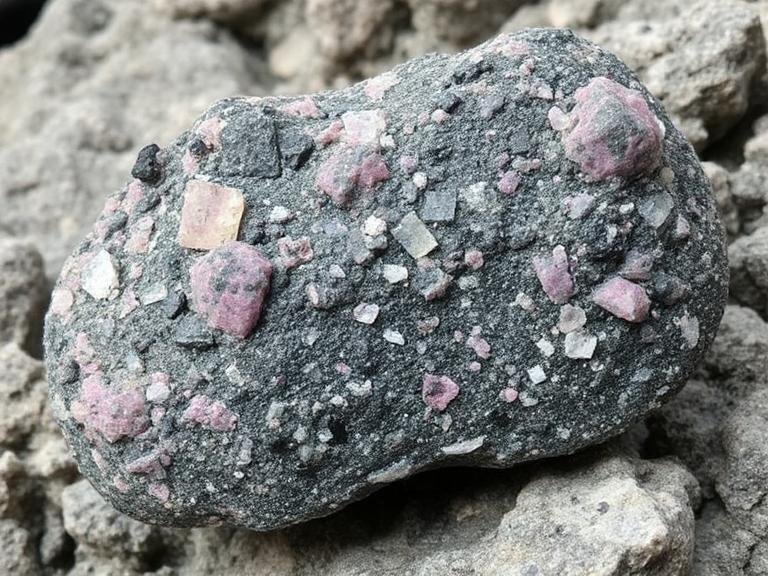
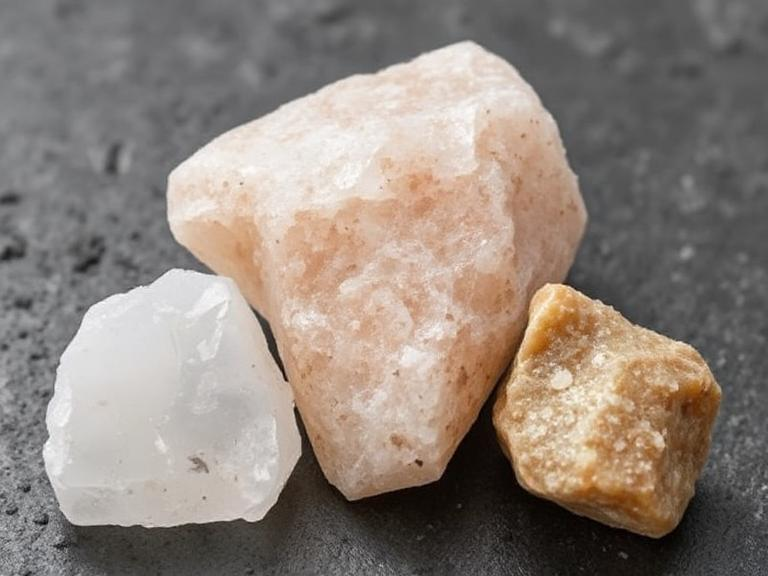
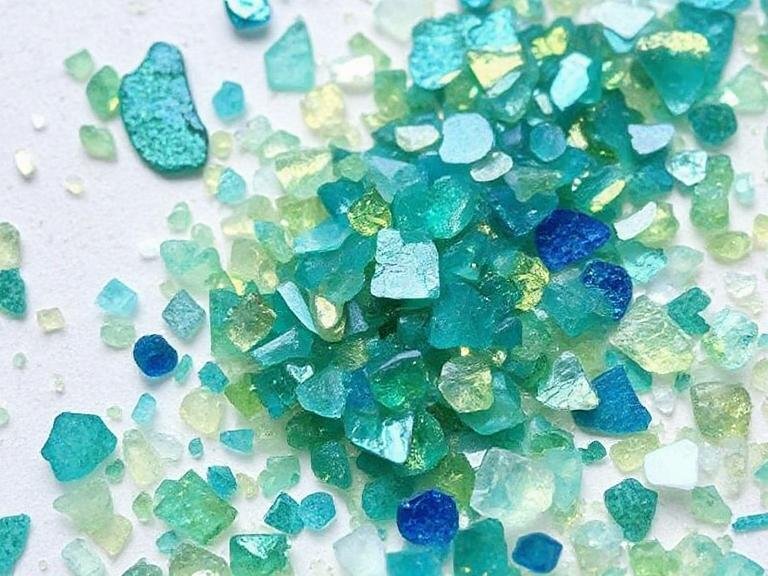
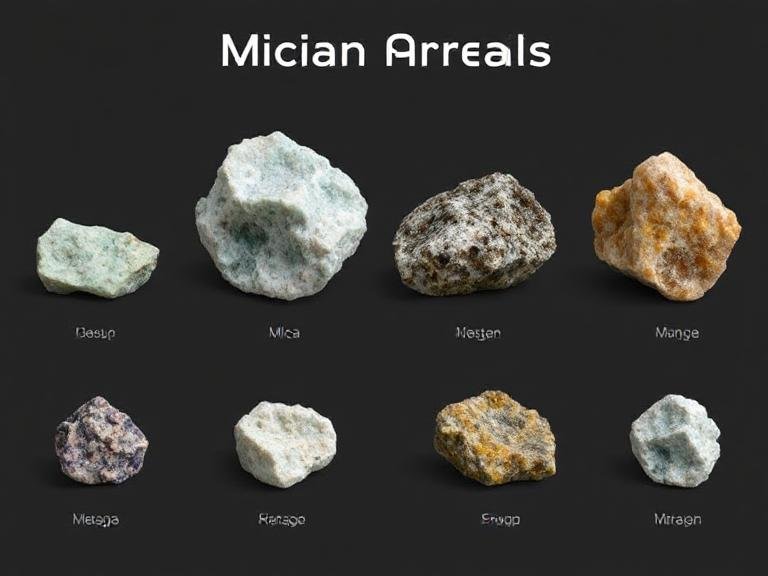
Mica is a naturally occurring silicate mineral that splits into ultra-thin, flat flakes. These flakes have a remarkable ability to reflect and refract light, producing that signature pearl-like or metallic shimmer without looking cheap or glittery. Unlike synthetic glitter, mica gives a soft, luminous glow that feels elegant rather than over-the-top.
When you blend mica powder into molten sealing wax, the flakes align within the cooling wax and create a layered, light-catching surface. The result is a seal that looks different depending on the angle — subtle and sophisticated in low light, dazzling under direct sunlight. This is why mica has become the go-to additive for anyone who wants their fire lacquer to stand out.
The beauty of mica is its versatility. You can use it alone for a clear pearlescent finish, or mix it with other colorants like wax crayons, oil-based pigments, or even lipstick to build rich, shimmering tones. It pairs especially well with metal-tone wax projects where you want that mercurial, antique-gold or silvery depth.
How to Mix Mica Powder into Sealing Wax
Getting the ratio right is everything. Too little mica and you will not see the effect. Too much and your wax becomes gritty, hard to pour, and prone to clogging your spoon.
A commonly used starting ratio for matte-finish sealing wax is paraffin wax to transparent glue stick to talc to mica powder at 1:1:0.25:0.25. This gives you a smooth, slightly frosted base with just enough mica to catch the light. For a stronger shimmer effect, you can push the mica portion up to 0.3 or 0.35, but always test small batches first.
The order of mixing matters enormously. Always melt your wax and blend in all powder-based ingredients — including your mica — before you add any glue or rosin. If you dump mica into already-melted glue, it clumps and you will spend forever stirring out lumps. Melt the wax, stir in your mica and any other dry colorants until fully dissolved, then slowly fold in your glue or rosin base while stirring constantly.
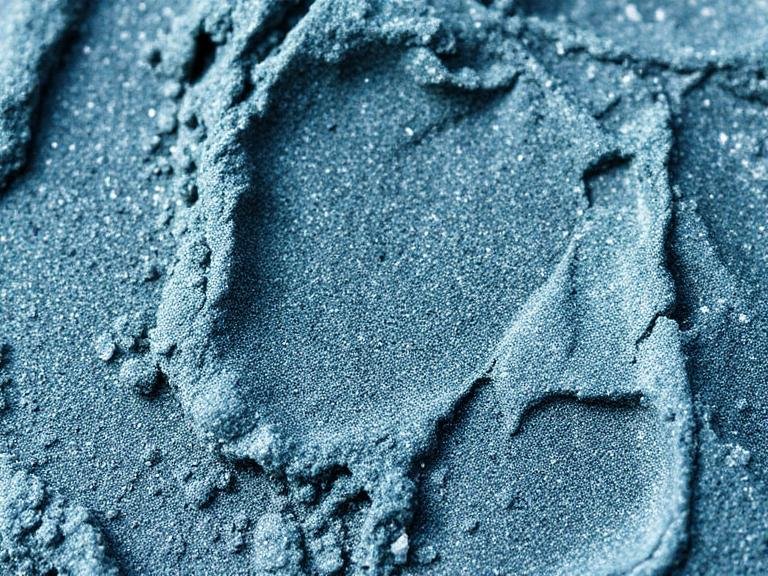
Use a fine-mesh mica powder. Coarse particles will leave visible specks in your finished seal, which defeats the whole purpose. Look for mica rated at high mesh count — the finer the better. A quick test: rub a tiny amount between your fingers. If it feels silky smooth with no grit, you are good to go.
Application Techniques That Make a Real Difference
There are several ways to apply mica to your sealing wax projects, and each one produces a different visual effect.
The Hand-Scatter Method
Melt your wax and pour it onto your work surface or into your stamp as usual. While the wax is still warm and tacky, pinch a small amount of dry mica powder between your fingertips and gently scatter it over the surface. The warmth of the wax helps the flakes adhere, and you get a random, organic distribution that looks like frost on a windowpane. This technique is perfect for backgrounds, envelopes, or any project where you want a subtle, scattered glow.
The Sifting Technique
For more controlled coverage, use a small sifter or a fine-mesh tea strainer loaded with mica powder. Tap it gently over your freshly poured wax. This gives you an even, uniform layer of shimmer without the clumps that hand-scattering sometimes produces. It works beautifully when you want the entire seal to glow consistently.
The Blown-Powder Technique
Place a sheet of white paper on top of your poured wax, load it with loose mica powder, and blow gently. The powder drifts down in a soft, uneven layer — perfect for creating that misty, atmospheric look. Artists use this method to simulate fog, snow, or moonlight in their work, and it translates stunningly to fire lacquer.
The Mix-In Method
The simplest approach: blend the mica directly into your molten wax before pouring. This embeds the shimmer throughout the entire seal rather than just on the surface. The effect is more subtle but incredibly consistent — every angle catches the light. This is the method most crafters use for everyday sealing wax projects.
Mica Powder vs Other Shimmer Additives
You might wonder why not just use glitter or pearlescent pigment instead. Here is the thing — glitter is plastic. It looks harsh, reflects light in a scattered way, and tends to sink or float unevenly in wax. Pearlescent pigments can work, but they often lack the depth that real mica flakes provide.
Mica gives you what crafters call a “veil effect.” It is transparent, layered, and the shimmer shifts as you move the seal in your hand. It is the same principle that makes mica so beloved in cosmetics — it enhances color without overwhelming it. In fire lacquer, this means your reds stay rich, your blues stay deep, and your metallics look like real metal rather than painted metal.
For metal-tone wax, mica is essentially non-negotiable. Gold sealing wax without mica looks flat. Gold sealing wax with mica looks like it was dipped in liquid metal. The same goes for silver, copper, and bronze tones. The flakes create that ancient, heirloom quality that makes a wax seal feel like it belongs in a museum.
Tips for Getting the Best Results
Always stir your mica into the wax while it is still liquid. Once the wax begins to cool, the flakes lock in place and you lose the ability to distribute them evenly. Work in small batches so you do not waste material.
If you are combining mica with wax crayons for color, add the crayon first, let it fully melt and blend, then add the mica. This prevents the mica from interfering with the crayon’s color dispersion.
For projects where you want both shimmer and opacity, layer your mica. Pour a thin base layer with mica mixed in, let it set slightly, then pour a second opaque layer on top. The mica in the base will glow through the top layer like light beneath frosted glass.
Keep your mica powder dry and sealed when not in use. Moisture causes clumping, and clumped mica in your wax is a nightmare to deal with. A small airtight container with a desiccant packet will keep your supply fresh for months.
Mica powder has been adorning human creations since the cave painters of the Paleolithic era used it to make their white pigments shimmer. Today, it finds its way into our sealing wax, our cosmetics, our paints, and our plastics — proving that some materials never go out of style. In fire lacquer, it is not just an additive. It is the difference between a pretty seal and an unforgettable one.