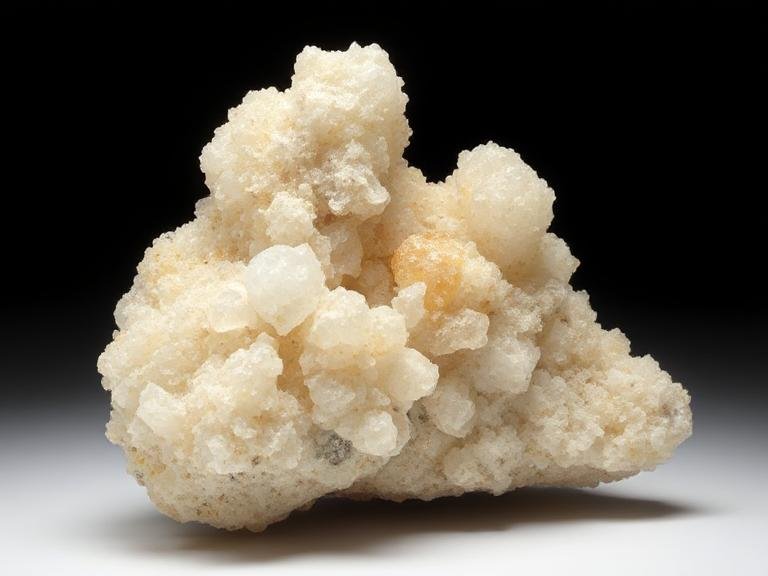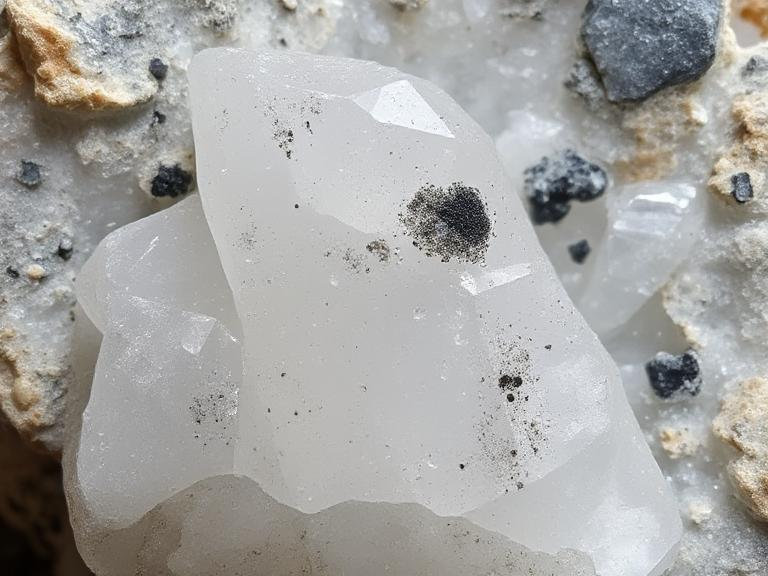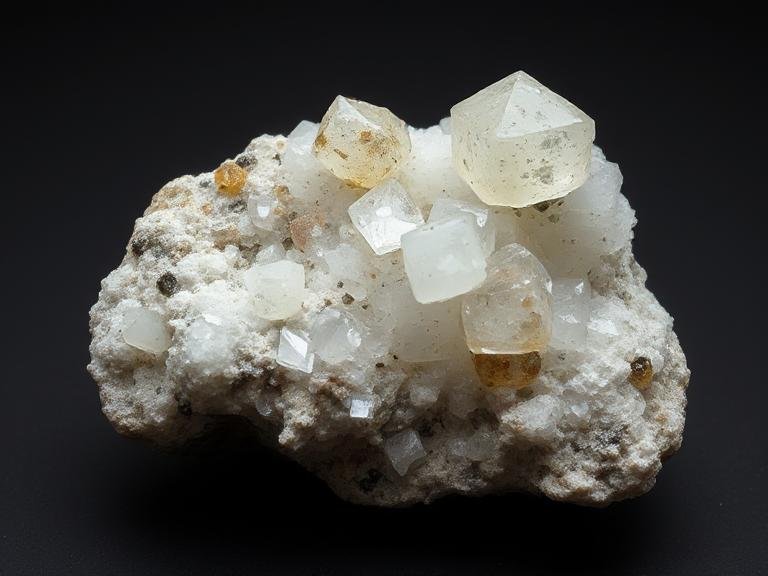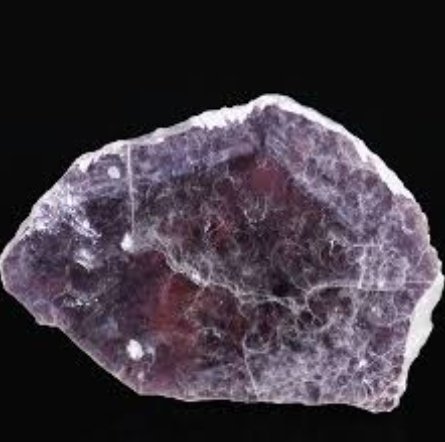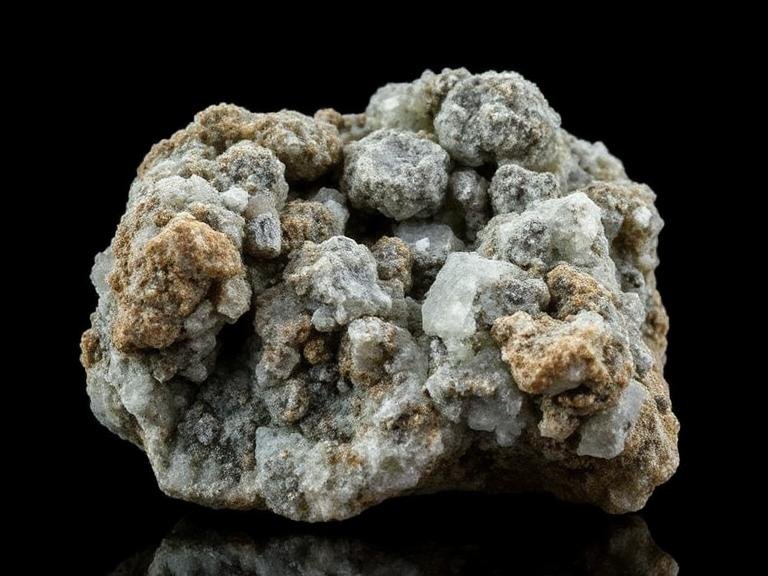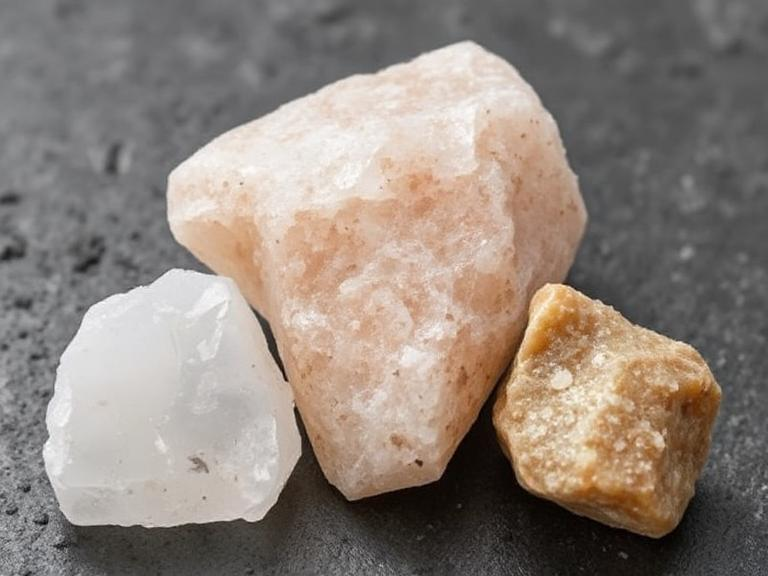

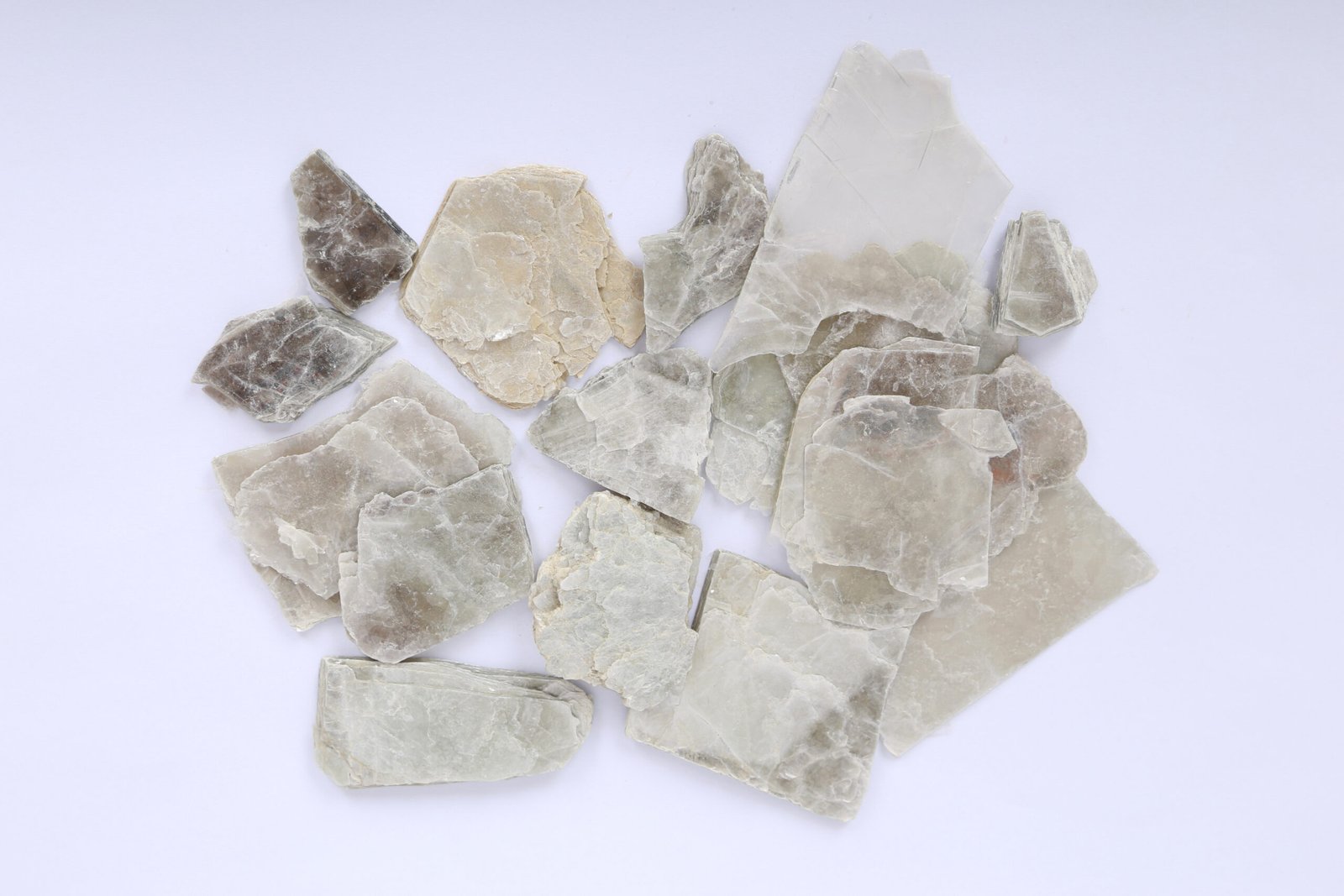
Natural Mica Splittings Supplier for High Temperature Phlogopite Splittings
High temperature phlogopite splittings are not a niche product. They are a backbone material for industries that cannot afford thermal failure — furnace linings, high-heat electrical insulation, foundry coatings, and aerospace components all rely on phlogopite’s ability to stay stable where other minerals break down. The challenge is not finding phlogopite. It is finding splittings that actually perform under sustained heat without delaminating, warping, or losing dielectric strength.
What Makes Phlogopite Different From Muscovite at High Temperatures
Most buyers compare phlogopite to muscovite and stop there. That is a mistake. Muscovite excels in electrical insulation and optical clarity, but its thermal ceiling sits around 500°C before structural degradation kicks in. Phlogopite, rich in magnesium, handles continuous exposure above 800°C and can survive short bursts well beyond 1000°C. That is why foundries and steel mills specify phlogopite splittings for gating systems and mold coatings.
The Mineral Composition That Drives Thermal Performance
The magnesium-to-aluminum ratio in phlogopite is what gives it the edge. Higher magnesium content means stronger bonds between crystal layers, which translates directly into better heat resistance and lower thermal expansion. Not all phlogopite is equal — splittings from certain mines carry more magnesium than others, and that difference shows up in real-world performance. Buyers who skip mineral analysis at the sourcing stage often end up with material that looks fine on paper but fails under load.
Where High-Grade Phlogopite Splittings Actually Come From
This is where most supply chains get murky. Phlogopite deposits are concentrated in a handful of regions — India, Brazil, Madagascar, parts of East Africa, Pakistan, and Afghanistan. The highest clarity, highest magnesium material tends to come from African and Indian V1 mines. Pakistani and Afghan sources often deliver larger flake sizes, which split into broader sheets more efficiently. The problem is that most overseas buyers never see the mine. They deal with traders who deal with traders who deal with processors.
UKI MICA operates as a mica supply chain company based in Hubei Province, China. The company controls its own mine resources in Pakistan and Afghanistan and has built long-standing relationships with V1 phlogopite mines across Africa and India. Raw material is strictly sorted at the mine level before being distributed to processing factories in China, where it becomes finished splittings ready for export. This kind of mine-to-factory integration is rare, and it matters because sorting quality at the source determines everything downstream.
How to Evaluate a Phlogopite Splittings Supplier Before Committing
Do not ask for a catalog first. Ask about their mine-level sorting process. A supplier who cannot tell you which mines their raw phlogopite comes from, or how it gets graded before shipping, is not worth the risk. High temperature applications leave zero room for inconsistency — one bad batch can shut down a furnace line.
Custom Solutions Matter More Than Standard Sizes
Off-the-shelf phlogopite splittings work for general insulation. They do not work for specialized furnace components or custom gasket profiles. The suppliers who actually understand this are the ones offering tailored thickness, dimensional cutting, and even surface treatment options. UKI MICA, for example, positions custom mica solutions as a core part of their service model rather than an afterthought. That approach signals real supply chain depth — they are not just moving material, they are solving problems.
The thermal performance of phlogopite splittings ultimately depends on raw material quality, and raw material quality depends on who controls the mine. Suppliers with direct mine access in Pakistan, Afghanistan, Africa, and India have a structural advantage that trading companies simply cannot match. If your application runs above 600°C, the source of your splittings is not a detail. It is the deciding factor.