
Enhancing Ink Shine with Mica Pigments: Professional Blending Techniques
Understanding Mica Pigment Characteristics for Ink Applications
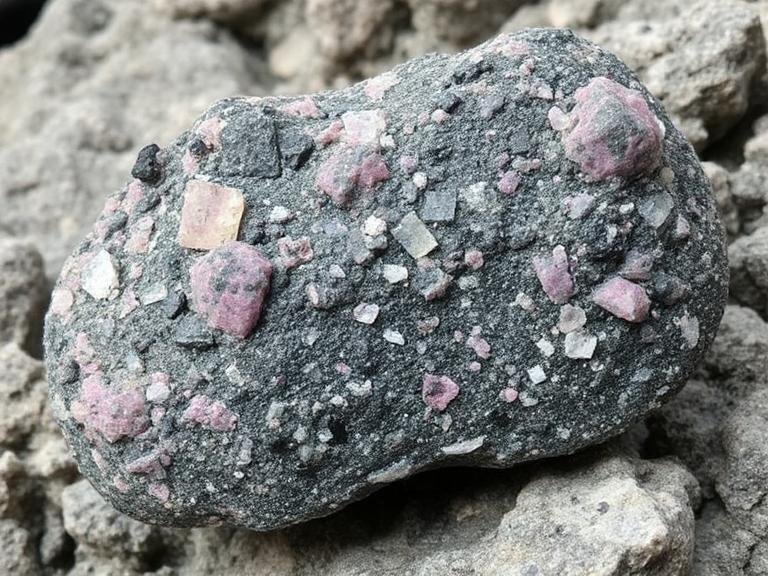
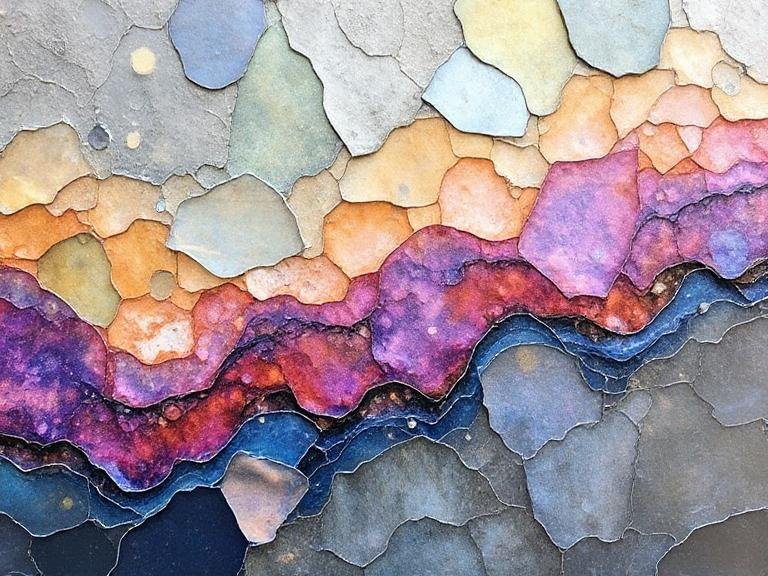
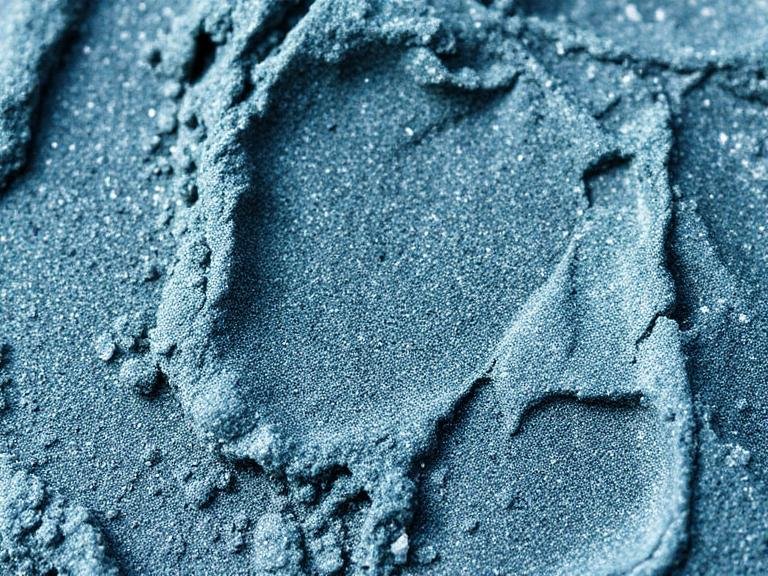
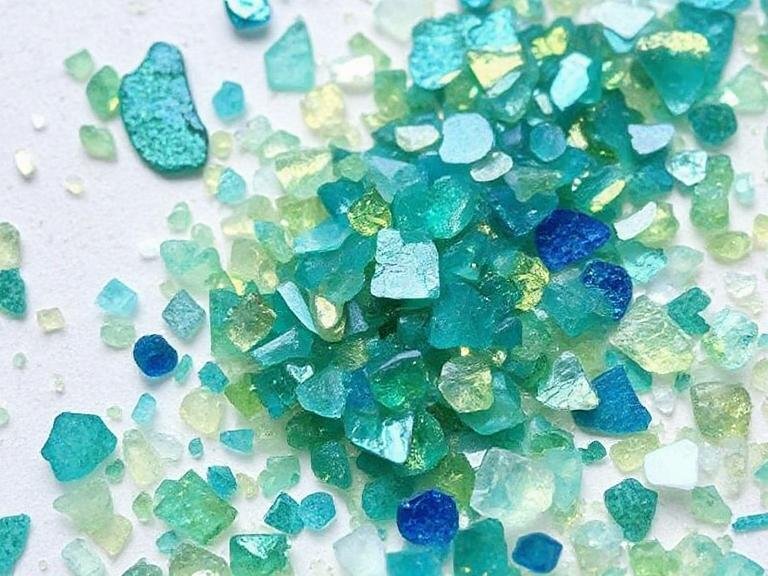
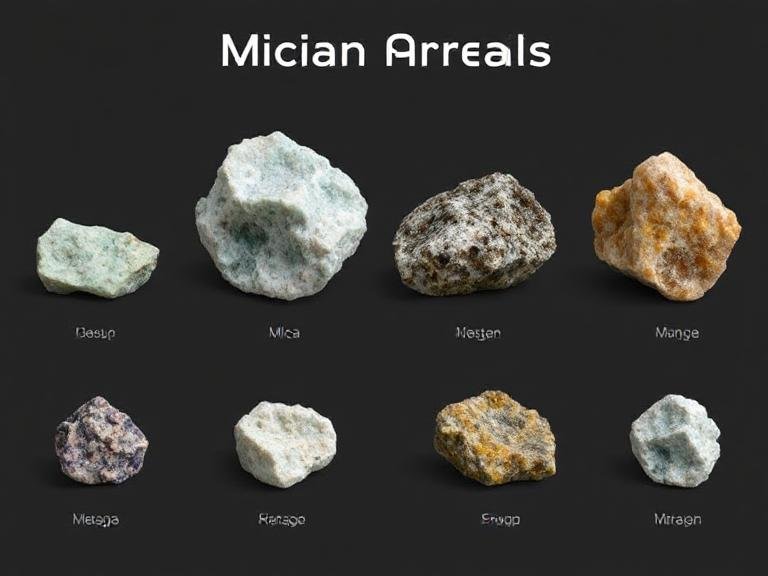
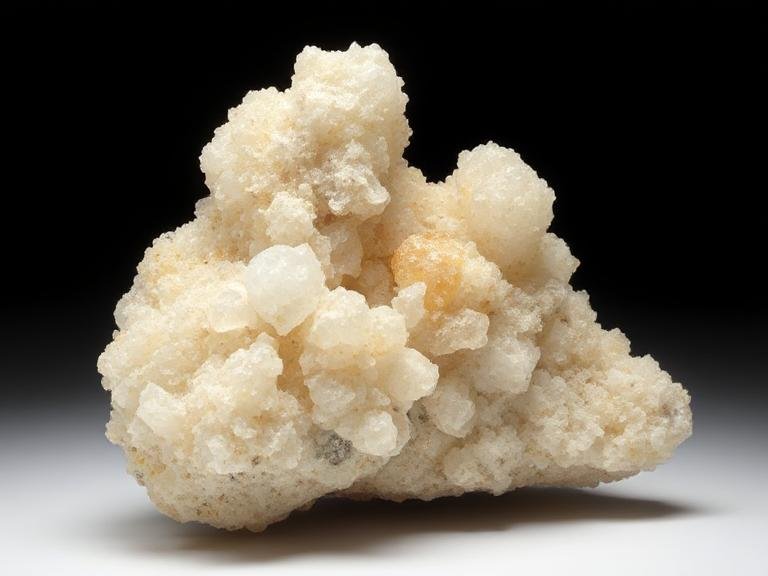
Mica pigments derive their luminous qualities from mineral flakes coated with metal oxides. These microscopic layers create iridescent effects by reflecting and refracting light differently at various angles. The particle size distribution significantly impacts final shine—smaller particles produce subtle glow while larger flakes create dramatic sparkle.
Lightfastness varies among mica formulations. Some pigments maintain vibrancy under prolonged UV exposure, making them ideal for outdoor applications or artworks displayed in bright spaces. Testing pigment stability in your specific ink base prevents premature fading in finished projects.
Chemical compatibility determines how well mica integrates with different ink mediums. Water-based inks require hydrophilic mica variants, while solvent-based systems work best with oil-dispersible pigments. Mixing incompatible types leads to clumping or uneven distribution that diminishes shine.
Establishing Base Ratios for Initial Blending Experiments
Begin with conservative pigment-to-ink proportions when developing new formulations. For every 100 milliliters of ink base, start with 0.5 grams of mica pigment. This low concentration allows gradual adjustment while maintaining ink fluidity and printability.
Thorough mixing prevents pigment settling and ensures uniform shine. Use a high-speed mixer or dedicated blending tool designed for pigment dispersion. Mix for 3-5 minutes, then let the mixture stand for 10 minutes to check for separation. Repeat mixing if pigment begins settling.
Test blends on scrap material before committing to final projects. Apply thin layers using your intended application method (brush, pen, printer). Observe how the mica behaves during drying—some formulations may shift in color or lose shine as solvents evaporate.
Adjusting Shine Intensity Through Layered Techniques
Graduated shine effects require strategic pigment application. Create subtle variations by mixing multiple mica concentrations in separate ink batches. Apply darker concentrations first, then overlay lighter shades with decreasing pigment loads. This layering builds depth without overwhelming the design.
Metallic finishes emerge when combining mica with reflective additives. Add a pinch of aluminum powder or pearlescent micas to your base mica blend. Limit these additions to 10% of total pigment volume to maintain ink stability. Test for compatibility with your printing equipment before full-scale use.
Matte-shine contrasts use mica selectively within designs. Reserve high-concentration mica blends for focal points while using unpigmented ink for background areas. This approach draws attention to specific elements while maintaining overall composition balance.
Optimizing Pigment Dispersion for Consistent Results
Pre-wetting pigments improves dispersion in water-based inks. Mix mica with a small amount of alcohol or dedicated wetting agent before adding to ink. This breaks surface tension and helps particles separate evenly. Stir gently until no dry pigment remains before incorporating into the main ink volume.
Solvent-based inks benefit from gradual pigment addition. Pour half your solvent into a mixing container, then slowly sprinkle mica while stirring continuously. Add remaining solvent after initial pigment wets out. This method prevents dry pigment pockets that create dull spots in finished prints.
Filtering removes undissolved particles that mar shine quality. After mixing, pour ink through a fine mesh filter (200-300 micron) into a clean container. Repeat filtering if residual grit remains. Discard filtered material rather than forcing it through, which damages mesh and contaminates ink.
Troubleshooting Common Shine Enhancement Challenges
Clumpy texture indicates inadequate pigment dispersion. Break up aggregates by transferring ink to a glass jar and shaking vigorously for 2-3 minutes. For persistent clumps, blend with a handheld immersion blender at low speed. Avoid high speeds that introduce air bubbles.
Dull appearance often results from excessive pigment loading. Gradually dilute ink with fresh base until shine returns. Document the maximum effective concentration for future reference. Consider switching to finer-grade mica if dilution compromises color intensity.
Clogged nozzles occur when large mica particles pass through filters. Prevent this by using pigments specifically labeled for inkjet applications or straining through progressively finer meshes. For existing clogs, soak print heads in cleaning solution per manufacturer instructions rather than forcing ink through.