

Effective Use of Mica Gaskets for Mechanical Component Sealing
Selecting the Right Mica Gasket Material
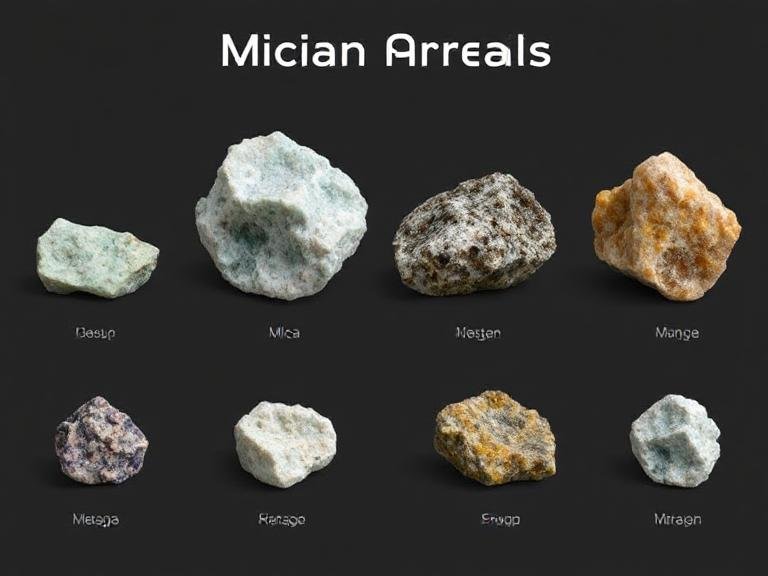
Mica gaskets come in various forms, including natural mica and synthetic fluorophlogopite mica. Natural mica offers excellent thermal stability and electrical insulation, while synthetic mica provides enhanced performance at temperatures exceeding 1000°C. When selecting a mica gasket, consider the operating environment. For high-temperature applications, choose a mica material with a continuous service rating above the expected maximum temperature.
Chemical resistance is another critical factor. Mica demonstrates good resistance to acids, alkalis, and organic solvents, but prolonged exposure to strong oxidizing agents may degrade its performance. Evaluate the specific chemicals present in your application and select a mica variant with proven compatibility.
Mechanical properties also influence gasket selection. Thicker mica sheets offer improved crush resistance, while thinner sheets provide better conformability to irregular surfaces. Balance these factors based on the clamping force available in your assembly and the surface finish of the mating components.
Proper Installation Techniques for Mica Gaskets
Surface preparation significantly impacts sealing performance. Clean both mating surfaces thoroughly to remove dirt, oil, and old gasket material. Use a non-abrasive cleaner and lint-free cloth to avoid scratching the surfaces. Inspect for nicks, scratches, or warping that could compromise the seal.
When positioning the mica gasket, ensure proper alignment with bolt holes and fluid passages. Misalignment creates stress concentrations that lead to premature failure. For flanged connections, use alignment pins or dowels to maintain position during tightening.
Tightening sequence and torque values play crucial roles in achieving uniform compression. Follow a star pattern when tightening bolts to distribute pressure evenly across the gasket. Use a calibrated torque wrench and adhere to manufacturer-recommended torque values. Over-tightening crushes the mica, reducing its resilience, while under-tightening allows leaks.
Maintenance and Troubleshooting of Mica Gaskets
Regular inspection schedules help identify potential issues before they cause system failure. Check for signs of leakage, gasket extrusion, or surface damage during routine maintenance. Replace any gasket showing visible deterioration, even if leakage hasn’t occurred yet.
Common failure modes include thermal cycling damage, chemical attack, and mechanical overload. Thermal cycling causes expansion and contraction that eventually fatigues the mica material. To mitigate this, design assemblies with uniform temperature distribution and minimize rapid temperature changes.
Chemical degradation appears as discoloration, swelling, or brittleness in the gasket material. If chemical attack occurs, review your material selection and consider protective coatings or barrier layers. Mechanical overload often results from excessive clamping force or vibration. Verify torque settings and use vibration-damping materials where appropriate.
Optimizing Performance in Specialized Applications
High-temperature environments demand specific considerations for mica gaskets. In exhaust systems or furnace applications, select mica materials with low thermal conductivity to minimize heat transfer to adjacent components. Consider using composite gaskets that combine mica with heat-resistant fibers or metals for improved performance.
Chemical processing applications often expose gaskets to aggressive substances. For these environments, choose mica variants with enhanced chemical resistance or apply protective coatings. Ensure proper ventilation to prevent the accumulation of corrosive vapors around the gasket.
Electrical insulation applications benefit from mica’s inherent dielectric properties. When using mica gaskets for electrical sealing, verify that the material maintains its insulating properties at operating voltages and temperatures. Avoid conductive contaminants that could create leakage paths through the gasket.