
Nanoscale Mica Powder Coating Reinforcement: Usage Guidelines and Best Practices
Understanding the Role of Nanoscale Mica Powder in Coatings
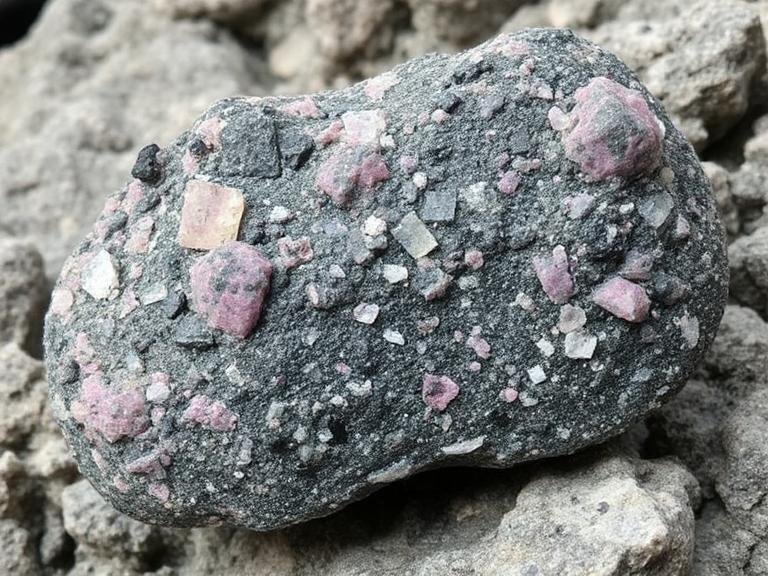
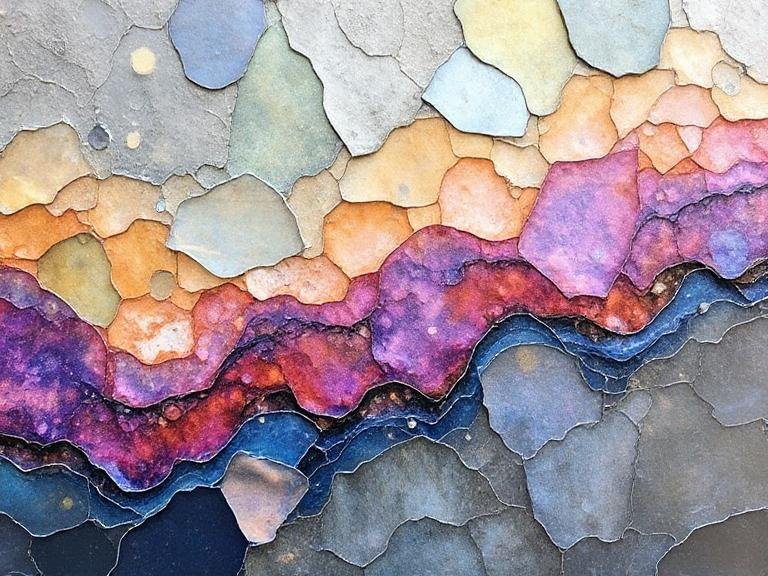
Nanoscale mica powder, derived from natural mica minerals through advanced grinding and purification processes, has emerged as a critical additive in modern coating formulations. Its unique layered structure, with a diameter-to-thickness ratio exceeding 80:1, enables exceptional barrier properties against moisture, UV radiation, and corrosive substances. When incorporated into coatings, mica particles align parallel to the substrate surface, forming a dense, interlocking network that significantly enhances the coating’s mechanical strength, durability, and resistance to environmental degradation. This makes nanoscale mica powder particularly valuable in applications requiring long-term protection, such as automotive finishes, architectural coatings, and industrial anti-corrosion systems.
Key Benefits of Nanoscale Mica Powder in Coating Reinforcement
Enhanced Mechanical Properties
The platelet-like structure of nanoscale mica powder acts as a reinforcing agent, distributing stress evenly across the coating matrix. This reduces the likelihood of cracking, peeling, or delamination under mechanical stress, such as impact or abrasion. Studies have demonstrated that coatings reinforced with mica powder exhibit improved tensile strength, flexural modulus, and scratch resistance compared to traditional formulations. Additionally, the high aspect ratio of mica particles contributes to increased coating hardness without compromising flexibility, making it suitable for both rigid and flexible substrates.
Superior Barrier Performance
One of the most notable advantages of nanoscale mica powder is its ability to create a tortuous path for corrosive agents, such as water, oxygen, and chemicals. The layered arrangement of mica particles forces these substances to navigate a complex, indirect route through the coating, effectively delaying their penetration and prolonging the substrate’s lifespan. This “labyrinth effect” is particularly critical in harsh environments, such as marine or chemical processing facilities, where coatings are exposed to constant moisture and aggressive substances. Furthermore, mica’s inherent chemical stability ensures that it remains inert even in the presence of strong acids or alkalis, maintaining the coating’s integrity over time.
Improved Thermal and UV Resistance
Nanoscale mica powder exhibits excellent thermal stability, withstanding temperatures exceeding 1000°C without degradation. This property makes it an ideal additive for high-temperature coatings used in aerospace, automotive exhaust systems, and industrial furnaces. Additionally, mica’s ability to reflect and absorb UV radiation helps protect the coating and underlying substrate from photodegradation, a common cause of premature aging in outdoor applications. By minimizing UV-induced chain scission in polymer binders, mica-reinforced coatings retain their color, gloss, and mechanical properties for extended periods, reducing the need for frequent maintenance or recoating.
Best Practices for Incorporating Nanoscale Mica Powder into Coatings
Proper Dispersion Techniques
Achieving optimal performance from nanoscale mica powder requires careful attention to dispersion. Inadequate dispersion can lead to particle agglomeration, compromising the coating’s barrier properties and mechanical strength. To ensure uniform distribution, mica powder should be pre-dispersed in a suitable solvent or binder using high-shear mixing equipment, such as a bead mill or ultrasonic homogenizer. The dispersion process should be carried out at a controlled temperature to prevent premature gelation or viscosity buildup. Additionally, the use of surfactants or dispersing agents can help stabilize the mica particles, preventing re-agglomeration during storage or application.
Optimal Loading Levels
The ideal loading level of nanoscale mica powder depends on the specific coating formulation and desired performance characteristics. Generally, loading levels range from 5% to 20% by weight, with higher concentrations providing greater reinforcement but potentially increasing viscosity and processing difficulty. It is essential to conduct pilot-scale trials to determine the optimal loading level for a given application, balancing performance enhancements with ease of processing and cost-effectiveness. Overloading the coating with mica powder can lead to reduced flow properties, poor leveling, and an increased risk of defects, such as pinholes or craters.
Compatibility with Other Additives
When incorporating nanoscale mica powder into a coating formulation, it is crucial to consider its compatibility with other additives, such as pigments, fillers, and rheology modifiers. Mica’s platelet structure can interact with other particulate additives, influencing the coating’s rheology, settling behavior, and final appearance. For example, combining mica with spherical fillers, such as calcium carbonate or silica, can create a synergistic effect, enhancing both the coating’s mechanical properties and barrier performance. However, incompatible additives may lead to phase separation or reduced dispersion stability, compromising the coating’s overall quality. Therefore, thorough compatibility testing is recommended before scaling up production.
Conclusion
Nanoscale mica powder represents a versatile and effective solution for reinforcing coatings across a wide range of industries. Its unique combination of mechanical, barrier, and thermal properties makes it an invaluable additive for enhancing coating durability, protecting substrates from environmental damage, and extending service life. By following best practices for dispersion, loading levels, and additive compatibility, manufacturers can unlock the full potential of nanoscale mica powder, creating high-performance coatings that meet the demands of modern applications. As research continues to explore new applications and formulations, the role of nanoscale mica powder in coating technology is poised to expand, driving innovation and sustainability in the coatings industry.