

Lithium Extraction Process from Lepidolite: A Comprehensive Guide
The rising demand for lithium-ion batteries in electric vehicles and portable electronics has significantly increased the need for efficient lithium extraction methods. Lepidolite, a lithium-bearing mica mineral, has emerged as a promising source due to its widespread availability and relatively high lithium content. This article delves into the step-by-step process of extracting lithium from lepidolite, highlighting key techniques and considerations.
Understanding Lepidolite and Its Composition
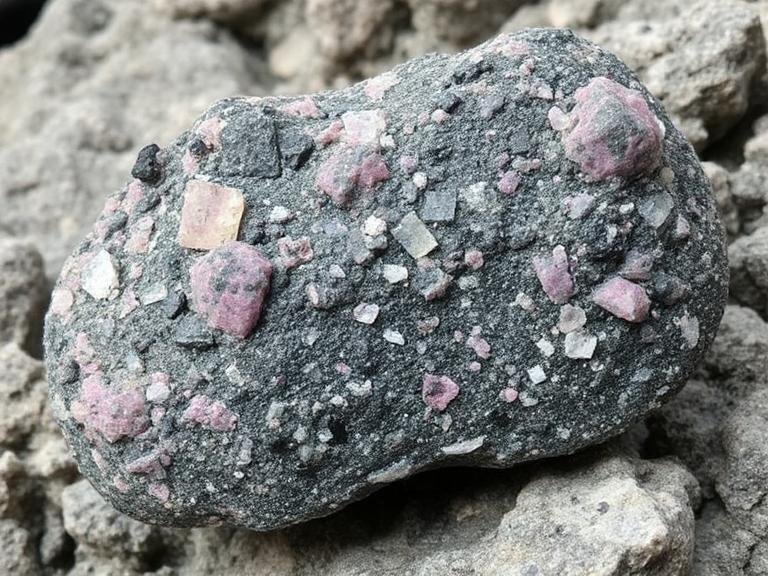
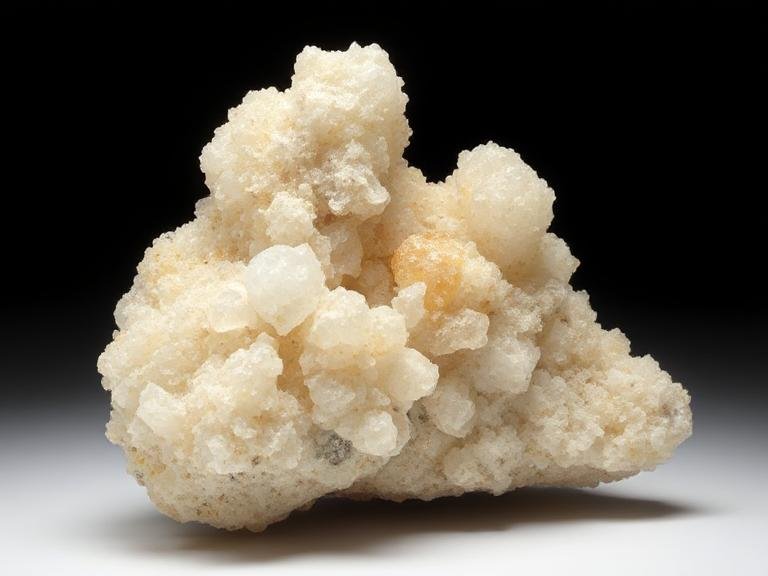
Lepidolite is a complex silicate mineral that contains lithium, aluminum, potassium, and fluorine. Its chemical formula typically includes LiAl(Si,Al)₄O₁₀(F,OH)₂, indicating the presence of lithium in a structurally bound form. To extract lithium effectively, it’s crucial to break down the mineral’s structure and release the lithium ions.
Pre-Treatment: Mineral Processing and Beneficiation
Before lithium extraction can begin, lepidolite ore must undergo pre-treatment to increase its lithium concentration and remove impurities. This process involves several steps:
- Crushing and Grinding: The ore is crushed into smaller pieces and then ground into a fine powder to increase the surface area for subsequent chemical reactions.
- Magnetic Separation: Weak magnetic separators are used to remove iron-containing impurities, which can interfere with the extraction process.
- Flotation: Froth flotation is employed to separate lepidolite from other minerals based on differences in their surface properties. This step enhances the lithium grade of the concentrate.
Lithium Extraction Techniques
Several methods have been developed for extracting lithium from lepidolite, each with its advantages and limitations. Here are three widely used techniques:
Sulfate Roasting Method
The sulfate roasting method is a well-established process for extracting lithium from lepidolite. It involves mixing the lepidolite concentrate with a sulfate salt, such as potassium sulfate or sodium sulfate, and roasting the mixture at high temperatures.
- Mixing: Lepidolite concentrate is thoroughly mixed with a sulfate salt in a specific ratio.
- Roasting: The mixture is roasted in a furnace at temperatures ranging from 800°C to 950°C. During this process, the sulfate salt reacts with lepidolite, breaking down its structure and releasing lithium ions, which then form soluble lithium sulfates.
- Leaching: The roasted material is leached with water to dissolve the lithium sulfates. The resulting solution contains lithium ions that can be further processed.
- Purification and Precipitation: The leach solution undergoes purification to remove impurities like aluminum and iron. Lithium is then precipitated as lithium carbonate or lithium hydroxide using carbon dioxide or sodium hydroxide, respectively.
Alkali Pressure Digestion Method
The alkali pressure digestion method offers an alternative to the sulfate roasting method, particularly for lepidolite ores with high silica content. This technique utilizes sodium carbonate or potassium carbonate under high pressure and temperature conditions.
- Preparation: Lepidolite concentrate is mixed with an alkali carbonate in a specific ratio.
- Pressure Digestion: The mixture is placed in an autoclave and subjected to high pressure (up to 2 MPa) and temperature (above 200°C). Under these conditions, the alkali carbonate reacts with lepidolite, forming soluble lithium compounds.
- Leaching and Filtration: After digestion, the autoclave is cooled, and the mixture is leached with water. The resulting solution is filtered to separate the solid residue from the lithium-rich leachate.
- Precipitation: Lithium is precipitated from the leachate using carbon dioxide or sodium hydroxide, similar to the sulfate roasting method.
Direct Chlorination Method
The direct chlorination method is a relatively new technique that shows promise for extracting lithium from lepidolite. It involves reacting lepidolite with calcium chloride at high temperatures to form lithium chloride.
- Mixing: Lepidolite concentrate is mixed with calcium chloride in a specific molar ratio.
- Chlorination Roasting: The mixture is roasted at temperatures around 1000°C for a specified duration. During this process, calcium chloride reacts with lepidolite, releasing lithium ions that form lithium chloride.
- Water Leaching: The roasted material is leached with water to dissolve the lithium chloride. The resulting solution contains lithium ions that can be further processed.
- Purification and Recovery: The leach solution undergoes purification to remove impurities, and lithium is recovered using techniques like solvent extraction or ion exchange.
Considerations and Challenges
While the above methods offer effective ways to extract lithium from lepidolite, several considerations and challenges must be addressed:
- Energy Consumption: High-temperature roasting and pressure digestion processes require significant energy inputs, increasing operational costs.
- Environmental Impact: The use of chemicals like sulfates and chlorides can generate waste products that need proper disposal to minimize environmental harm.
- Process Efficiency: The efficiency of lithium extraction depends on factors like ore grade, particle size, and reaction conditions. Optimizing these parameters is crucial for achieving high recovery rates.
- Cost-Effectiveness: The choice of extraction method should consider factors like raw material availability, equipment costs, and operational expenses to ensure economic viability.
Conclusion
Extracting lithium from lepidolite is a complex but feasible process that offers a sustainable alternative to traditional lithium sources like brines and hard-rock ores. By understanding the mineral’s composition and employing appropriate extraction techniques, it’s possible to achieve high lithium recovery rates while minimizing environmental impact. As the demand for lithium continues to grow, further research and development in lepidolite extraction methods will be essential for meeting global energy storage needs.