
Effective Techniques for Using Phlogopite Sheet in High-Temperature Equipment Insulation
When it comes to high-temperature industrial environments, selecting the right insulation material is crucial for ensuring equipment safety, energy efficiency, and long-term reliability. Phlogopite sheet, a natural mineral-based material known for its excellent heat resistance and electrical insulation properties, has become a preferred choice for many engineers. Here are some practical techniques for maximizing its performance in high-temperature applications.
Understanding the Core Properties of Phlogopite Sheet
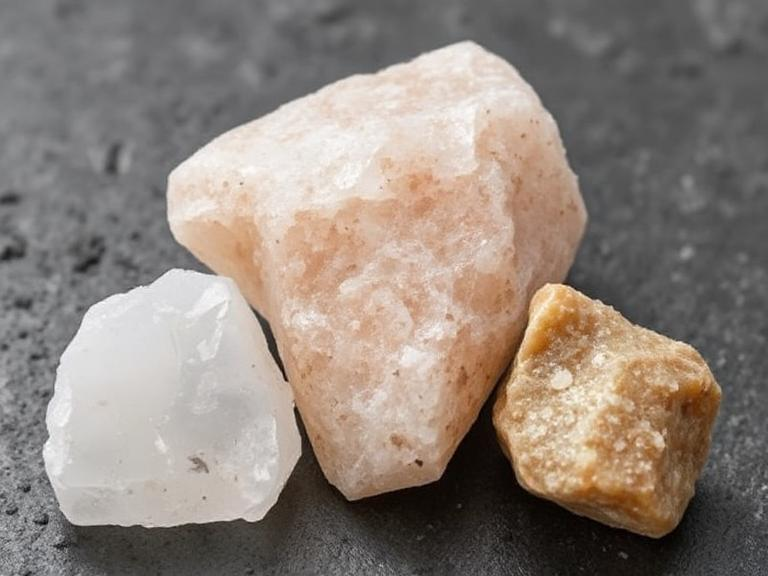
Before implementing phlogopite sheet in your insulation system, it’s essential to grasp its fundamental characteristics. Phlogopite is a type of mica mineral with a layered structure that provides exceptional thermal stability. It can withstand continuous temperatures up to 800°C and short-term exposure to temperatures exceeding 1000°C without significant degradation. This makes it ideal for applications such as furnace linings, boiler insulation, and heat shields in industrial ovens.
Additionally, phlogopite sheet offers excellent electrical insulation properties, with a dielectric strength that remains stable even at elevated temperatures. This dual functionality—thermal and electrical insulation—makes it a versatile solution for complex industrial setups where both heat management and electrical safety are critical.
Proper Installation Techniques for Optimal Performance
The effectiveness of phlogopite sheet as an insulator depends heavily on proper installation. Here are some key considerations:
Ensuring a Tight Fit
For phlogopite sheet to function effectively, it must be installed with minimal gaps between the sheet and the heated surface. Any air pockets or spaces can lead to heat leakage, reducing the overall insulation efficiency. Use mechanical fasteners or high-temperature adhesives to secure the sheet firmly in place, ensuring uniform contact across the entire surface.
Layering for Enhanced Insulation
In extremely high-temperature applications, a single layer of phlogopite sheet may not provide sufficient insulation. Consider using multiple layers, with each layer separated by a thin layer of ceramic fiber or other high-temperature-resistant material. This layered approach not only improves thermal resistance but also helps distribute heat more evenly, reducing the risk of localized overheating.
Protecting Edges and Corners
Edges and corners are vulnerable points in any insulation system, as they are more prone to damage and heat leakage. Reinforce these areas by adding extra layers of phlogopite sheet or using edge protectors made from compatible materials. This will help maintain the integrity of the insulation system over time, even under harsh operating conditions.
Maintenance and Monitoring Strategies
Regular maintenance and monitoring are essential for ensuring the long-term performance of phlogopite sheet insulation. Here are some best practices:
Visual Inspections
Conduct periodic visual inspections of the insulation system to check for signs of wear, damage, or discoloration. Look for cracks, delamination, or areas where the sheet may have pulled away from the heated surface. Early detection of these issues allows for timely repairs or replacements, preventing more extensive damage to the equipment.
Thermal Imaging
Incorporate thermal imaging technology into your maintenance routine to identify hot spots or areas of excessive heat leakage. This non-destructive testing method can help pinpoint problems that may not be visible during a visual inspection, allowing for more targeted and effective repairs.
Cleaning and Debris Removal
Over time, dust, debris, and other contaminants can accumulate on the surface of phlogopite sheet, reducing its thermal efficiency. Regularly clean the insulation system using compressed air or a soft brush to remove any buildup. Avoid using water or chemical cleaners, as these can damage the sheet or compromise its insulation properties.
Adapting to Specific Application Requirements
Every high-temperature application is unique, and the insulation requirements may vary depending on factors such as the operating temperature, equipment design, and environmental conditions. Here are some tips for adapting phlogopite sheet insulation to specific needs:
Custom Cutting and Shaping
Phlogopite sheet can be easily cut and shaped to fit complex geometries or irregular surfaces. Use precision cutting tools to create custom pieces that match the contours of your equipment, ensuring a snug fit and maximum insulation coverage.
Combining with Other Materials
In some cases, combining phlogopite sheet with other insulation materials can enhance overall performance. For example, using a layer of ceramic fiber blanket underneath the phlogopite sheet can provide additional thermal resistance and improve energy efficiency. Experiment with different material combinations to find the optimal solution for your specific application.
Considering Environmental Factors
Environmental conditions such as humidity, chemical exposure, and mechanical vibration can affect the performance of phlogopite sheet insulation. Select materials and installation methods that are resistant to these factors to ensure long-term reliability. For example, in humid environments, use a moisture-resistant coating or sealant to protect the sheet from water damage.
By understanding the core properties of phlogopite sheet, implementing proper installation techniques, maintaining a regular monitoring schedule, and adapting to specific application requirements, you can maximize the performance and longevity of your high-temperature insulation system. Whether you’re working with industrial furnaces, boilers, or other heat-generating equipment, phlogopite sheet offers a reliable and cost-effective solution for managing heat and ensuring operational safety.