

Mica Ore Storage: How to Prevent Mold Growth and Master Ventilation Control
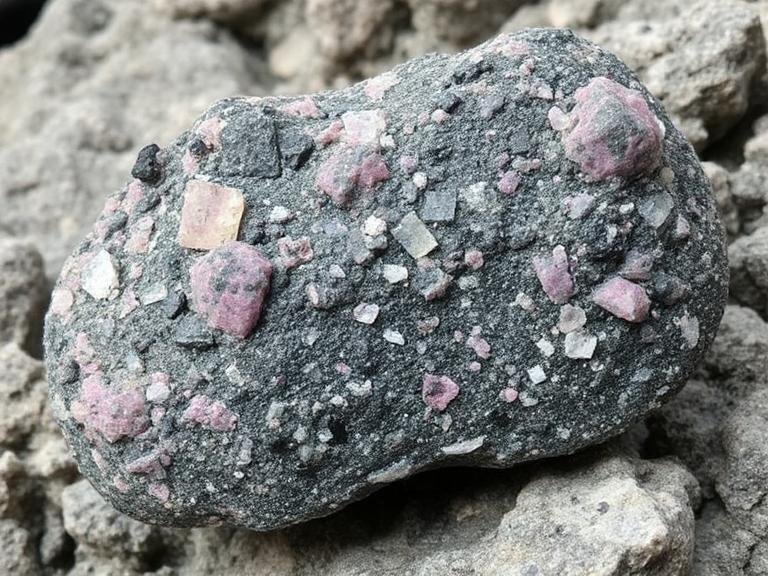
Mica ore is a stubborn material. Its layered crystal structure acts like a sponge for moisture, pulling water vapor from the air long before you even notice a problem. Once mold sets in or moisture creeps between those delicate sheets, the ore loses its insulating properties, changes color, and can even crumble into useless powder. Getting storage right is not optional — it is the difference between a product that performs and one that ends up in the trash.
Why Mica Ore Turns Moldy Faster Than You Think
The root cause lies in mica’s phyllosilicate structure. Water molecules do not just sit on the surface — they migrate between the layers through edge micropores and surface adsorption. When relative humidity climbs above 60 percent, moisture absorption accelerates dramatically. At 70 percent RH and above, mold spores find a perfect breeding ground on those damp mineral surfaces.
Temperature swings make everything worse. Warm daytime air meeting a cold warehouse wall creates condensation — tiny droplets that deliver a concentrated moisture punch right onto your stored ore. That is why many facilities see mold appear after a seasonal shift, not during the humid months themselves.
Mold on mica ore shows up as discoloration, fuzzy spots, or a musty smell. Internal damage appears as layer separation, curling, and reduced mechanical strength. By the time you see it with the naked eye, the degradation has been going on for weeks.
Controlling Humidity: The Non-Negotiable First Step
Target Range and Why It Matters
Keep your storage environment between 40 and 60 percent relative humidity. Some operators push it lower — around 30 percent RH — for long-term storage of high-purity ore. Going below 40 percent, however, can make certain binder materials in mica products brittle, so do not chase extreme dryness without understanding your specific material.
Above 60 percent RH, moisture absorption becomes significant. Above 70 percent, you are inviting mold growth and structural damage. The sweet spot is tight, and it demands active monitoring.
Use calibrated hygrometers at multiple points inside the warehouse, not just one near the door. Humidity varies by location — corners near exterior walls are always wetter. Log readings daily, and set alarms for anything above 55 percent RH.
Desiccants: Use Them Right or Do Not Bother
Silica gel, activated alumina, and molecular sieves are the three most common desiccants for mica storage. They work, but only if deployed correctly.
Place desiccant packs inside sealed packaging, not loose in the warehouse. Direct contact between desiccant dust and mica ore contaminates the material and affects purity. Always use a barrier — a sealed inner bag or a divider sheet — between the desiccant and the ore.
Replace or regenerate desiccants on a schedule. A saturated desiccant does nothing — it actually releases moisture back into the environment during temperature swings. Check them monthly, and swap them out before they hit capacity.
For bulk storage in large warehouses, consider dehumidifiers alongside passive desiccants. Mechanical dehumidifiers can pull 3 to 4 kilograms of water per hour at 27 degrees Celsius and 70 percent RH, which is far more effective than bags of silica gel alone. But dehumidifiers only work in sealed or semi-sealed spaces — if you are running them in an open warehouse with poor ventilation, you are wasting electricity.
Ventilation Strategy: More Than Just Opening Windows
When to Ventilate and When to Seal Shut
Ventilation is not always the answer. In fact, ventilating at the wrong time can pump moist air directly into your storage area and make everything worse.
Follow this rule: ventilate only when the outdoor absolute humidity is lower than the indoor absolute humidity. If it is raining outside and the outdoor RH is 85 percent, do not open a single window. Use mechanical ventilation with dehumidification instead.
During dry seasons with stable outdoor conditions, natural ventilation through roof and sidewall openings works well. Roof vents typically move more air than sidewall vents, especially in warehouses wider than 30 meters. For smaller facilities, sidewall ventilation dominates.
The goal is to keep the indoor-outdoor temperature difference under 5 degrees Celsius. Larger differentials drive condensation on cold surfaces, and those water droplets will land right on your mica ore.
Mechanical Ventilation Setup
For warehouses in humid climates or coastal regions, mechanical ventilation is mandatory. Install exhaust fans at the top and intake fans at the bottom. This creates a vertical airflow that pulls moist air upward and out, replacing it with drier air from below.
Aim for 0.75 to 1.5 air changes per minute. This rate keeps temperature and humidity stable without over-drying the space. Pair the fans with a dehumidification unit, and you have a system that actively fights moisture instead of just moving it around.
In monsoon or rainy seasons, seal the warehouse completely and run dehumidifiers in closed-loop mode. Ventilation during these periods is counterproductive.
Packaging and Stacking: Details That Kill Mold Before It Starts
Choose the Right Barrier
Ordinary paper bags or woven sacks are useless for mica ore storage. Their moisture transmission rate is too high. Switch to multi-layer composite packaging — an inner moisture-barrier film (aluminum foil or plastic composite) with an outer tear-resistant layer.
For fine powder mica, add an inner plastic film liner to prevent dust escape and moisture ingress simultaneously. Seal every package with heat sealing or a pressed strip seal. Stitching alone is not enough — the needle holes become moisture pathways.
Vacuum sealing or nitrogen-filled packaging extends shelf life significantly. If you open a package and do not use all the ore immediately, reseal it in vacuum bags before putting it back on the shelf. Do not leave it exposed to ambient air, even for an hour.
Stack Smart, Not High
Never let mica ore bags touch the floor. Moisture rises from concrete, and ground-level humidity is always the highest. Use plastic or metal pallets — wooden pallets absorb moisture and release it slowly, working against you.
Keep stacking height under 1.5 meters. The weight of upper bags compresses lower ones, deforming the material and reducing airflow between layers. Leave gaps between stacks for air circulation. If you must stack higher, place spacers every few layers.
Store different grades and batches in separate zones. Mixing them up during retrieval leads to cross-contamination and makes traceability impossible when you discover a quality issue.
Temperature Control and Fire Safety: The Overlooked Twin Risks
Keep It Steady, Not Just Cool
The ideal storage temperature sits between 15 and 25 degrees Celsius. Some guidelines allow up to 30 or even 35 degrees Celsius, but higher temperatures accelerate moisture absorption rates and can trigger chemical changes in binder materials within mica products.
Low temperatures are less immediately damaging but create their own trap. If cold mica ore is moved into a warm, humid room, condensation forms instantly on every surface. Always let temperature-shifted ore acclimatize in a controlled environment for at least 24 hours before use or repackaging.
Avoid placing storage near radiators, heating ducts, or any direct heat source. Even LED lighting is preferable to incandescent bulbs — the latter radiate heat and emit UV that degrades organic binders over time.
Fire Prevention Is Not Optional
Mica itself is non-combustible, but packaging materials, wooden pallets, and binder resins in mica products are not. Store away from flammable chemicals, and never allow smoking or open flames in the warehouse. Install appropriate fire suppression equipment and conduct regular drills.
Dust from mica ore is a genuine explosion hazard in fine powder form. Keep dust concentrations low, maintain good ventilation even in sealed storage, and eliminate ignition sources near handling zones.
Inspection Cadence: Catch Problems Before They Spread
Do not rely on a “set it and forget it” approach. Walk the storage floor weekly. Check packaging integrity — a small tear or a failed heat seal lets moisture in silently. Look for discoloration, surface moisture, or any musty odor.
Every quarter, pull samples and test moisture content, insulation resistance, and mechanical strength. For critical applications like high-frequency electronic components, even minor moisture uptake can ruin performance. If storage time exceeds two years, mandatory quality testing is required before any material leaves the warehouse.
Log every inspection, every temperature reading, every desiccant change. A paper trail saves you when a batch fails downstream and someone asks where it went wrong.