
Enhancing Paper Properties Through Mica Powder Filling: Applications and Benefits in the Paper Industry
Understanding Mica Powder as a Functional Filler
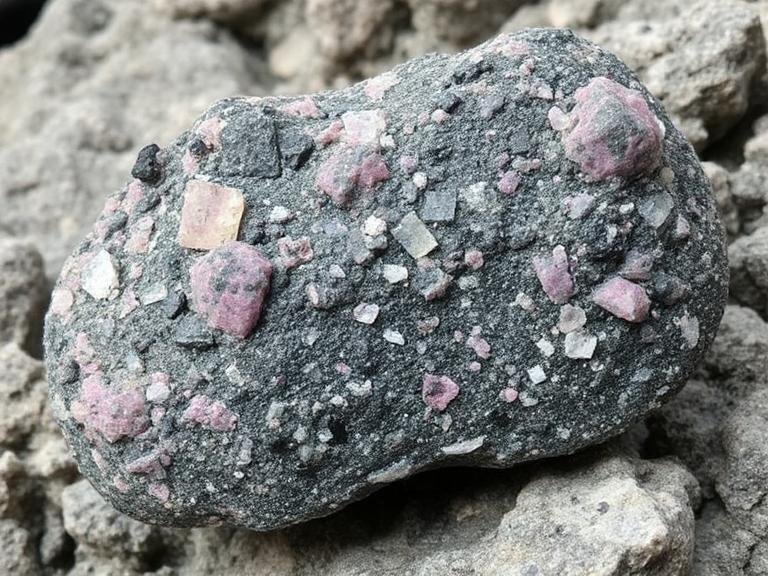
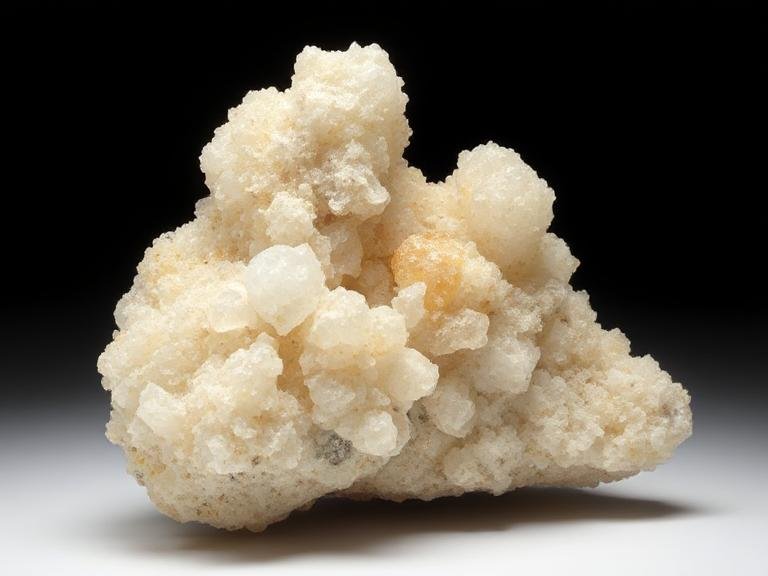
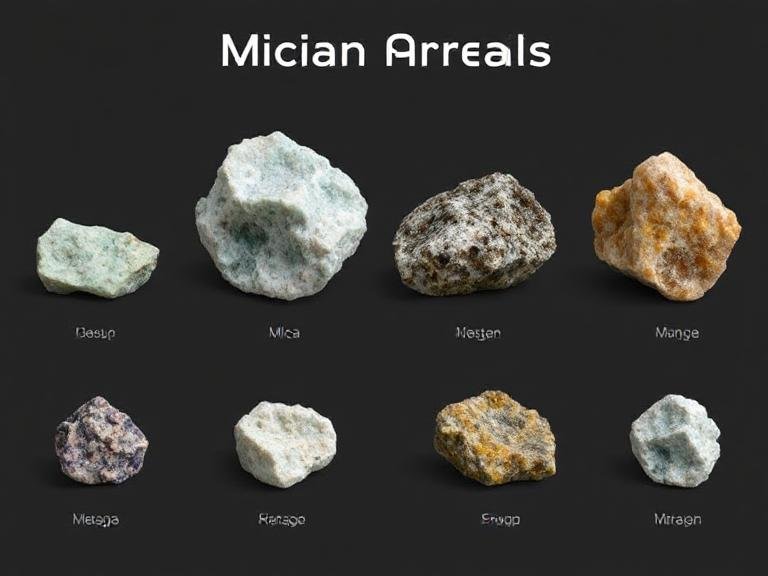
Mica powder, derived from naturally occurring mica minerals, offers unique physical and chemical properties that make it valuable in paper manufacturing. Its plate-like structure and high aspect ratio create opportunities for improving paper strength, smoothness, and dimensional stability. When properly processed, mica particles form thin, flexible flakes that interact effectively with paper fibers.
The mineral’s chemical inertness ensures compatibility with various papermaking processes without interfering with sizing agents or dyes. This stability allows manufacturers to incorporate mica powder into different paper grades, from packaging materials to fine writing papers. Additionally, mica’s resistance to heat and moisture makes it suitable for applications requiring durability under varying environmental conditions.
From an environmental perspective, mica powder presents advantages as a naturally occurring mineral. Its use reduces reliance on synthetic fillers, aligning with sustainability goals in the paper industry. The mineral’s abundance and low processing requirements contribute to its cost-effectiveness compared to some engineered alternatives.
Strength Enhancement Through Mica Filling
Improving Tensile and Tear Strength
The plate-like structure of mica particles creates mechanical interlocking with paper fibers, significantly enhancing tensile strength. This reinforcement occurs as the flakes align parallel to the paper’s surface during formation, distributing stress more evenly across the sheet. Studies show that moderate mica loading can increase tensile strength by 10-15% without compromising flexibility.
Tear resistance also improves with mica addition due to the particles’ ability to bridge fiber breaks. When stress is applied, the mica flakes act as micro-reinforcements that prevent crack propagation. This property makes mica-filled papers particularly valuable for packaging applications where durability during handling is critical.
The optimal particle size distribution plays a crucial role in strength enhancement. Finer mica particles fill smaller voids between fibers, while coarser flakes contribute to larger-scale reinforcement. Balancing these fractions through careful milling processes ensures maximum strength improvement across different paper grades.
Enhancing Internal Bonding and Delamination Resistance
Mica powder improves internal bonding by creating additional hydrogen bonds between its surface hydroxyl groups and paper fibers. This enhanced adhesion reduces the likelihood of layer separation in multi-ply papers or corrugated board. The result is packaging materials with better resistance to compression and impact during shipping and storage.
In printing papers, improved internal bonding prevents ink feathering and ensures better toner adhesion in digital printing processes. The smoother surface created by mica filling also reduces dust generation during high-speed printing operations, improving overall print quality and equipment longevity.
For specialty papers like filter media, mica’s bonding properties help maintain structural integrity when wet. This resistance to delamination ensures consistent performance in applications requiring filtration under pressure or exposure to liquids.
Dimensional Stability and Moisture Resistance
The hydrophilic nature of mica surfaces helps regulate moisture absorption in paper products. By creating a more uniform distribution of water molecules within the paper structure, mica filling reduces dimensional changes caused by humidity fluctuations. This stability is particularly valuable for applications like architectural drawings or fine art papers that must maintain precise dimensions over time.
In packaging materials, moisture resistance prevents swelling or warping when exposed to varying environmental conditions. Mica-filled papers maintain their shape better than untreated alternatives, ensuring consistent performance in automated packaging lines and reducing product damage during transit.
The combination of strength and dimensional stability makes mica-filled papers suitable for outdoor applications like banners or signage. These products withstand weather exposure without compromising structural integrity or print quality.
Surface Quality and Printability Improvements
Creating Smoother Paper Surfaces
Mica particles fill microscopic depressions in the paper surface, creating a more uniform topography. This smoothing effect reduces the roughness typically caused by fiber ends or filler aggregates. The result is a paper with superior tactile qualities that feels smoother to the touch.
For coated papers, mica filling improves the base sheet’s uniformity before coating application. This creates a more consistent coating layer that enhances gloss and ink holdout. The reduced surface roughness also minimizes the amount of coating material required, offering cost savings in high-volume production.
In uncoated papers, the smoothing effect improves writing and printing performance. Ink sits more evenly on the surface, reducing feathering and improving line sharpness. This property makes mica-filled papers ideal for applications requiring high-definition printing, such as photographic reproduction or technical drawings.
Enhancing Optical Properties and Brightness
While mica itself doesn’t contribute significantly to paper brightness, its plate-like structure helps reflect light more efficiently when properly oriented. This optical effect can enhance the perceived brightness of papers without requiring additional optical brightening agents. The improved light reflection also contributes to better opacity in thin papers.
In colored papers, mica filling improves color vibrancy by creating a more uniform base for pigment application. The smoother surface allows for better pigment dispersion, resulting in richer, more consistent colors. This property is particularly valuable for packaging materials where visual appeal drives consumer purchasing decisions.
The mineral’s natural luster can also create subtle visual effects in specialty papers. When used in decorative applications, mica’s pearlescent quality adds depth and dimension to printed designs without compromising the paper’s functional properties.
Reducing Ink Consumption and Improving Drying
The improved surface uniformity of mica-filled papers allows for more efficient ink transfer during printing. Printers can achieve the same coverage with less ink, reducing material costs and drying times. This efficiency is particularly valuable in high-speed digital printing processes where rapid drying is essential for productivity.
In offset printing, the smoother surface reduces the amount of fountain solution required, improving ink-water balance and reducing the risk of emulsification. This leads to cleaner prints with fewer background tints and better reproduction of fine details.
For inkjet printing, mica filling improves dot gain control by providing a more receptive surface for ink droplets. The result is sharper images with better color accuracy, even on uncoated papers. This property expands the range of applications for inkjet technology in commercial printing.
Process Optimization and Economic Considerations
Compatibility with Existing Papermaking Processes
Mica powder integrates easily into conventional papermaking equipment without requiring significant modifications. The mineral can be added at the wet end through standard filler systems or applied as a surface treatment during coating operations. This compatibility allows manufacturers to experiment with mica filling without investing in new technology.
The low viscosity of mica slurries ensures smooth pumping and dispersion within the paper machine’s white water system. Proper agitation prevents particle settling, maintaining consistent filler distribution throughout the paper sheet. This ease of handling reduces production downtime associated with filler introduction.
Mica’s chemical stability prevents interactions with other papermaking chemicals like sizing agents or retention aids. This compatibility ensures that existing process parameters can be maintained when introducing mica filling, simplifying the transition to this enhanced formulation.
Retention and Drainage Characteristics
The plate-like structure of mica particles improves fiber retention in the paper web by creating physical barriers that prevent filler loss during drainage. This enhanced retention reduces the amount of mica carried away with white water, improving overall process efficiency and reducing waste treatment costs.
Properly sized mica particles contribute to optimal drainage rates without causing excessive water retention. The balance between filler retention and drainage is crucial for maintaining paper machine speed and dryness. Mica’s unique morphology helps achieve this balance across different paper grades and machine configurations.
In recycled fiber systems, mica filling can compensate for the reduced strength typically associated with secondary fibers. The mineral’s reinforcing properties allow manufacturers to produce high-quality papers from lower-grade feedstocks, expanding available raw material sources and reducing environmental impact.
Long-Term Cost Benefits and Sustainability
While mica powder may have a slightly higher initial cost than some conventional fillers, its performance benefits often justify the investment. The improved paper properties reduce waste during production and downstream processing, leading to overall cost savings. Higher strength papers require less material to achieve the same performance, reducing raw material consumption.
The durability of mica-filled papers extends product lifetimes in many applications. Packaging materials withstand handling better, reducing damage rates and associated costs. Printing papers maintain their quality through multiple passes through high-speed equipment, reducing reprints and material waste.
From a sustainability perspective, mica’s natural origin and low processing requirements align with growing consumer demand for eco-friendly products. The mineral’s inertness ensures it doesn’t contribute to microplastic pollution or other environmental concerns associated with some synthetic fillers. This environmental profile can provide marketing advantages in increasingly conscious markets.