
Elevating Interior Walls: Creative Applications of Mica Glass Inlays in Home Decor
Understanding Mica Glass as a Decorative Material
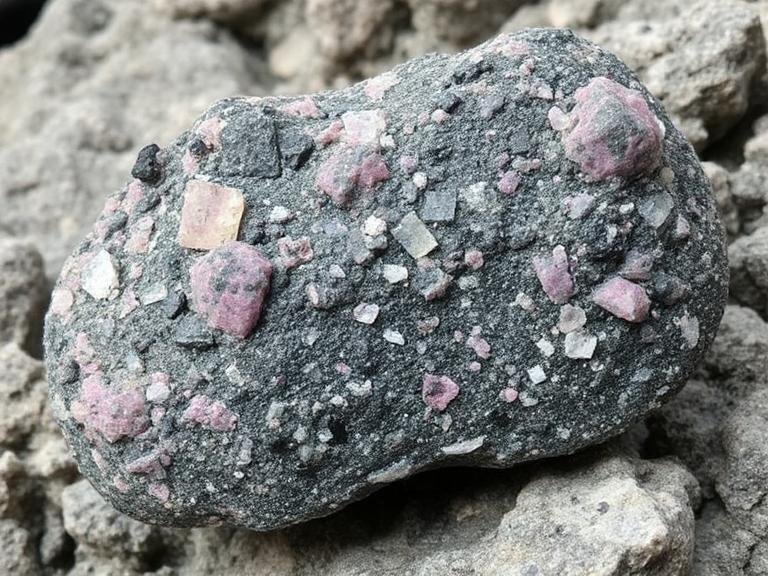
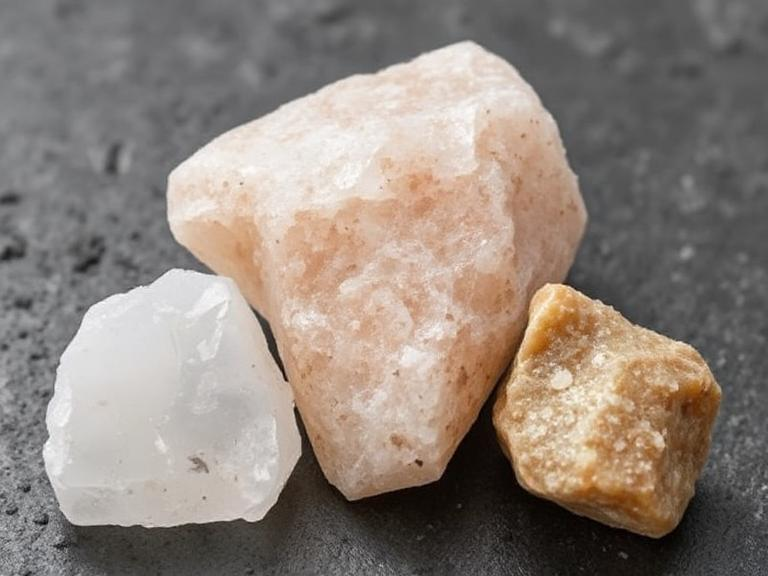
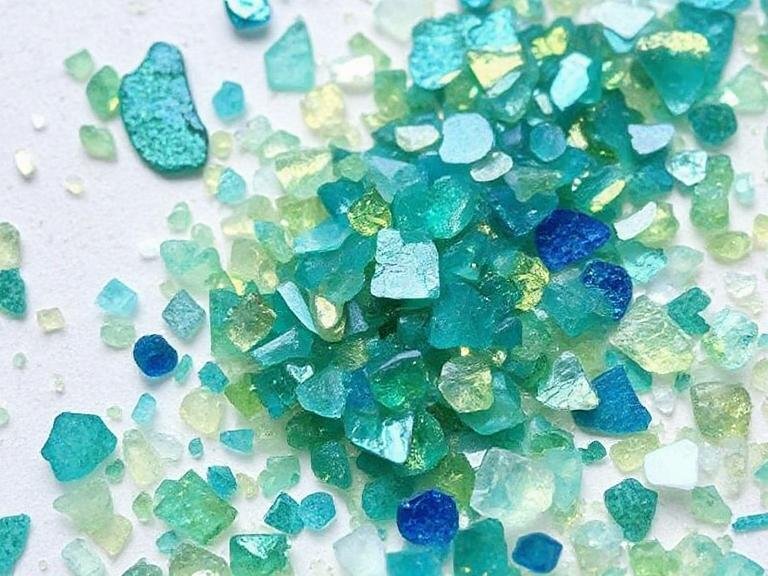
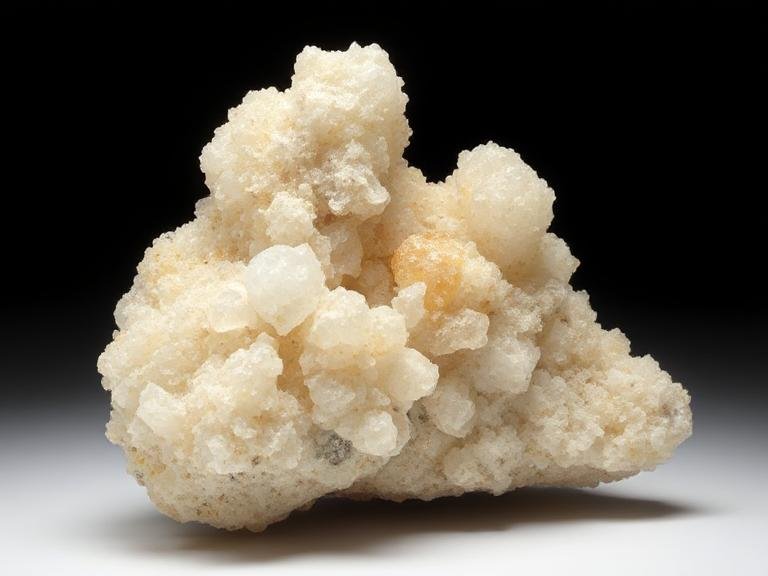
Mica glass combines the natural beauty of mica minerals with the transparency of glass, creating a unique material perfect for wall embellishments. This composite offers both visual appeal and functional benefits, making it increasingly popular in modern interior design. Its iridescent surface reflects light in captivating ways, adding depth and dimension to any room.
The material’s durability stems from mica’s inherent resistance to heat, moisture, and chemical degradation. When fused with glass, it becomes suitable for both dry and humid environments like bathrooms or kitchens. This resilience ensures long-lasting beauty without frequent maintenance, appealing to homeowners seeking practical yet stylish solutions.
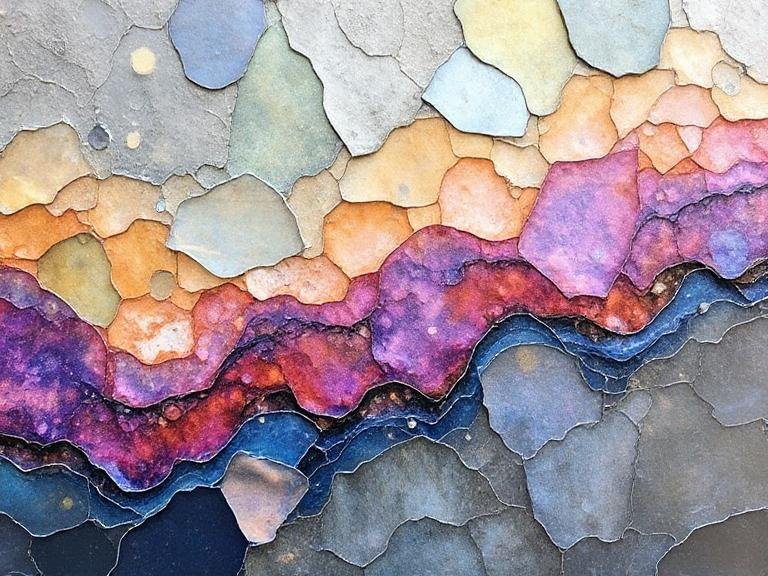
From an aesthetic standpoint, mica glass provides endless creative possibilities. Its natural shimmer ranges from subtle gold tones to vibrant blues, depending on mineral composition and lighting conditions. This versatility allows designers to create focal points or complementary accents that enhance existing decor schemes.
Design Possibilities for Wall Inlays
Geometric Patterns and Modern Motifs
Mica glass works exceptionally well for creating contemporary geometric designs on walls. Installers can cut the material into precise shapes like hexagons, triangles, or chevrons, then arrange them in repeating patterns for striking visual impact. The interplay of light through these shapes creates dynamic shadows that change throughout the day.
For a more artistic approach, irregular shapes and asymmetrical layouts add organic charm to spaces. These designs work particularly well in living rooms or entryways where you want to make a bold statement. The material’s translucency allows partial visibility through the patterns, maintaining space openness while adding texture.
Combining mica glass with other materials like wood or metal creates mixed-media installations with enhanced visual interest. For example, pairing mica glass triangles with wooden frames adds warmth to the cool shimmer of the mineral, resulting in balanced, layered designs.
Nature-Inspired Themes and Organic Forms
Bringing natural elements indoors becomes effortless with mica glass inlays shaped like leaves, flowers, or waves. These organic forms soften architectural lines and create calming environments perfect for bedrooms or meditation spaces. The material’s iridescence mimics natural phenomena like sunlight filtering through water.
For coastal-themed decor, wave-shaped mica glass inlays capture the essence of ocean movement. When backlit, these installations create the illusion of gentle waves washing across walls. Similarly, leaf patterns work beautifully in garden rooms or sunrooms, connecting interior spaces with outdoor environments.
Creating entire feature walls with nature-inspired mica glass designs transforms ordinary rooms into immersive experiences. These installations become conversation pieces while maintaining functionality through the material’s durable properties.
Textural Contrast and Three-Dimensional Effects
Mica glass inlays excel at adding tactile variety to smooth wall surfaces. By combining different thicknesses or layering pieces at varying depths, designers create three-dimensional effects that catch the eye. This approach works particularly well in minimalist spaces where subtle texture provides needed visual interest.
Raised inlay patterns offer both visual and physical contrast against flat wall areas. These designs guide movement through spaces by creating natural focal points. For example, a spiral pattern made from mica glass pieces draws attention while maintaining an elegant simplicity.
Combining mica glass with recessed wall panels creates sophisticated shadow boxes that highlight the material’s luminous qualities. When lit from above or below, these installations produce dramatic lighting effects that enhance the ambiance of dining areas or home theaters.
Installation Techniques and Practical Considerations
Surface Preparation and Layout Planning
Successful mica glass inlay projects begin with proper wall preparation. Surfaces must be clean, smooth, and structurally sound to support the material. Any imperfections will telegraph through the inlays, so thorough patching and sanding are essential before installation begins.
Creating accurate templates ensures precise placement of each inlay piece. Designers often use computer-aided design (CAD) software to plan complex patterns before transferring measurements to the wall. This step prevents costly mistakes and ensures symmetrical layouts in geometric designs.
For organic patterns, marking guidelines with chalk or laser levels helps maintain consistent spacing between pieces. This approach balances the freedom of natural forms with the need for visual harmony across the installation area.
Adhesive Selection and Application Methods
Choosing the right adhesive depends on wall material and inlay size. Clear silicone adhesives work well for most applications, providing strong bonds while remaining flexible enough to accommodate slight movements. For heavier pieces, construction-grade adhesives with faster curing times may be necessary.
Applying adhesive in small dots rather than continuous beads prevents seepage that could mar the mica glass surface. Pressing each piece firmly into place ensures proper contact with the wall while allowing slight adjustments before the adhesive sets completely.
When working with large installations, installing pieces in sections helps manage weight distribution and prevents sagging. Temporary supports like painter’s tape can hold pieces in position until the adhesive cures sufficiently.
Lighting Integration for Enhanced Effects
Strategic lighting transforms mica glass inlays from simple decorations into dynamic visual features. Backlighting installations with LED strips creates glowing effects that highlight the material’s translucency. This approach works particularly well for nighttime ambiance in bedrooms or entertainment areas.
For dramatic impact, directional spotlights can emphasize textural details or create contrasting shadows. Adjusting light angles throughout the day reveals different aspects of the inlay design as natural light conditions change.
Incorporating dimmable lighting systems allows homeowners to control the intensity of mica glass effects. Soft lighting creates romantic atmospheres, while brighter settings showcase the material’s vibrant colors for daytime use.
Maintenance and Long-Term Care
Mica glass inlays require minimal maintenance to retain their beauty. Regular dusting with a soft, dry cloth prevents buildup that could dull the material’s shine. For occasional cleaning, a damp microfiber cloth gently wipes away smudges without scratching the surface.
Avoid abrasive cleaners or harsh chemicals that could damage the glass or mica components. In humid environments, ensuring proper ventilation helps prevent moisture accumulation that might affect adhesive bonds over time.
Periodically inspecting installations for loose pieces or adhesive failure allows for timely repairs before issues worsen. Touching up small areas as needed maintains the overall integrity of the design without requiring complete reinstallation.