
Sealed Tank Transport Specifications for Sericite Powder
Understanding the Properties of Sericite Powder
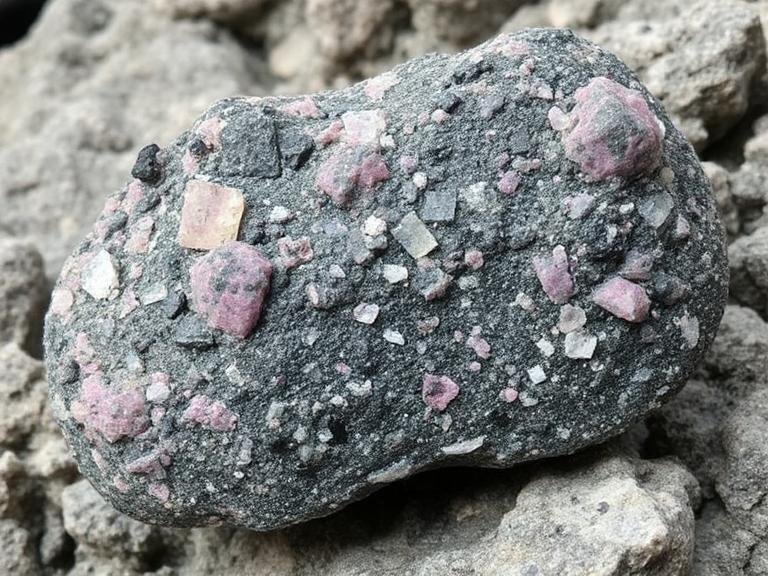
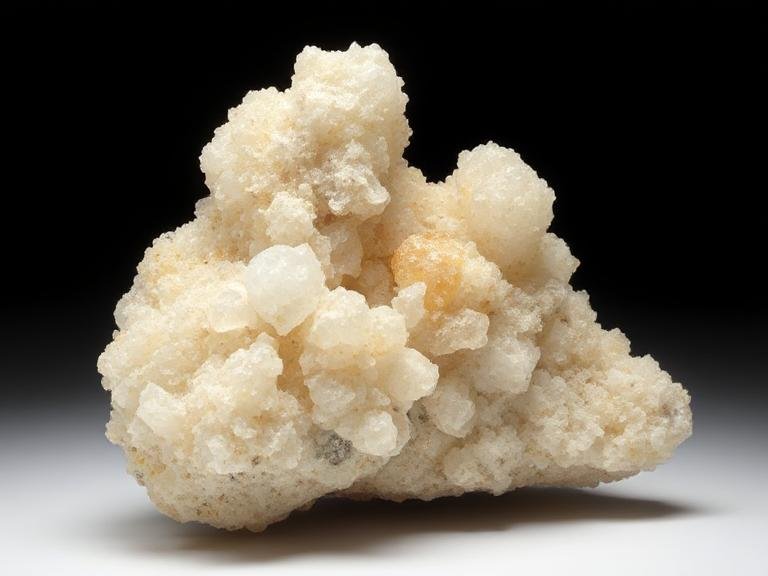
Sericite powder, a type of mica with fine particle size and excellent physical and chemical properties, is widely used in industries such as coatings, plastics, and cosmetics. Its high heat resistance and electrical insulation properties make it a valuable material. However, during transportation, especially in sealed tank vehicles, special attention must be paid to its handling to prevent contamination, moisture absorption, and physical damage.
Pre-Transport Preparation
Selection of Sealed Tank Vehicles
The selection of sealed tank vehicles is crucial for ensuring the safe transportation of sericite powder. The vehicles should be designed specifically for transporting powdered materials, with a smooth internal surface to minimize residue and easy cleaning. The tank body should be made of materials that are resistant to corrosion and chemical reactions with sericite powder, such as stainless steel or specialized plastics. Additionally, the tank should be equipped with a reliable sealing system to prevent moisture and dust from entering during transportation.
Cleaning and Inspection of Tank Vehicles
Before loading sericite powder, the tank vehicle must undergo thorough cleaning to remove any residual substances from previous shipments. This can be achieved using high-pressure water jets or specialized cleaning agents, followed by drying to ensure no moisture remains. The tank should then be inspected for any cracks, leaks, or damage that could compromise its integrity during transportation. Any issues identified must be repaired before loading.
Loading Procedures
The loading of sericite powder should be carried out in a controlled environment to minimize dust generation and contamination. The loading equipment, such as conveyors or pneumatic systems, should be clean and free from contaminants. The powder should be loaded evenly into the tank to prevent uneven distribution, which could lead to instability during transportation. The loading process should also be monitored to ensure that the tank is not overfilled, leaving sufficient space for expansion and contraction due to temperature changes.
During-Transport Measures
Temperature and Humidity Control
Maintaining appropriate temperature and humidity levels within the sealed tank is essential for preserving the quality of sericite powder. Excessive heat can cause the powder to clump or degrade, while high humidity can lead to moisture absorption and caking. Therefore, the tank vehicle should be equipped with temperature and humidity monitoring systems to continuously track these parameters. If necessary, cooling or heating systems can be installed to regulate the internal environment. Additionally, desiccants or moisture-absorbing materials can be placed inside the tank to further reduce humidity levels.
Vibration and Shock Mitigation
Vibration and shock during transportation can cause physical damage to sericite powder, such as particle breakage or compaction. To mitigate these effects, the tank vehicle should be equipped with shock-absorbing systems, such as air suspension or hydraulic dampers, to reduce vibrations transmitted to the cargo. The driving style of the vehicle operator should also be considered, with smooth acceleration, braking, and cornering to minimize sudden movements that could impact the powder.
Security and Monitoring
Ensuring the security of the sealed tank vehicle during transportation is vital to prevent theft or tampering with the cargo. The vehicle should be equipped with GPS tracking systems to monitor its location in real-time. Additionally, security seals can be placed on the tank’s access points to detect any unauthorized opening. Regular communication between the vehicle operator and the dispatch center should be maintained to report any incidents or abnormalities during the journey.
Post-Transport Unloading and Inspection
Unloading Procedures
The unloading of sericite powder from the sealed tank vehicle should be carried out in a clean and controlled environment, similar to the loading process. The unloading equipment should be compatible with the tank’s design to ensure efficient and safe transfer of the powder. The unloading rate should be controlled to prevent excessive dust generation and to minimize the risk of clogging or blockages in the unloading system.
Inspection of Cargo Quality
After unloading, the quality of the sericite powder should be inspected to ensure that it has not been compromised during transportation. This can include visual inspection for signs of clumping, caking, or discoloration, as well as laboratory testing for particle size distribution, moisture content, and chemical composition. Any deviations from the expected quality parameters should be investigated to identify the cause and take corrective actions.
Cleaning and Maintenance of Tank Vehicles
Once the unloading is complete, the sealed tank vehicle should be cleaned thoroughly to remove any remaining sericite powder and prepare it for the next shipment. The cleaning process should follow the same procedures as before loading, ensuring that the tank is free from contaminants and moisture. Additionally, regular maintenance of the tank vehicle, including inspection of seals, valves, and other components, should be carried out to ensure its continued reliability and safety during transportation.