
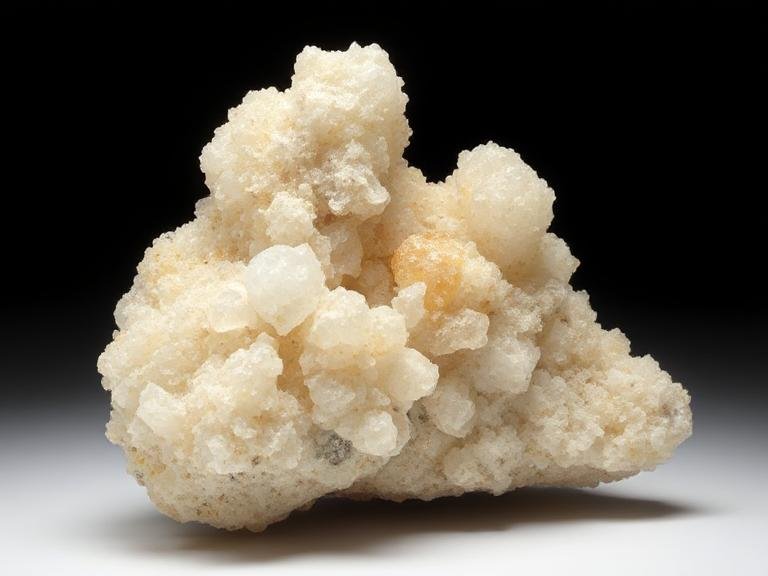
Designating Independent Areas for Mica Powder Storage to Prevent Contamination
Mica powder, a versatile material widely used in industries like cosmetics, paints, and plastics, requires careful storage to maintain its quality and purity. Contamination can significantly degrade its performance, making it crucial to establish independent storage areas. Here’s a detailed guide on how to achieve this.
Assessing Storage Requirements
Understanding Mica Powder Characteristics
Before setting up storage areas, it’s essential to understand the unique properties of mica powder. It is a fine – grained substance that can be easily dispersed by air currents. It also has a tendency to absorb moisture and odors from the surrounding environment. These characteristics make it highly susceptible to contamination from dust, chemicals, and other foreign particles.
Identifying Potential Contaminants
Determine the types of contaminants that could pose a threat to the mica powder. In an industrial setting, common contaminants include airborne dust from other production processes, chemical vapors from nearby storage areas, and even pests like insects and rodents. In a laboratory or research environment, cross – contamination from different samples or reagents is a significant concern. By identifying these potential sources, you can design storage areas that effectively mitigate the risks.
Quantifying Storage Needs
Estimate the quantity of mica powder that will be stored over a specific period. This will help in determining the size and number of independent storage areas required. Consider factors such as production volume, inventory turnover rate, and the frequency of access to the mica powder. Having an accurate estimate ensures that the storage areas are neither under – utilized nor overcrowded, which can both lead to contamination issues.
Designing Independent Storage Zones
Physical Separation
Create distinct physical boundaries for each storage area. This can be achieved by using walls, partitions, or shelving units with solid backs. The separation should be sufficient to prevent the transfer of airborne particles between different zones. For example, if you have multiple grades of mica powder, each grade should be stored in a separate, enclosed area to avoid cross – contamination. Ensure that the partitions are tall enough to block the movement of dust and other contaminants, especially in areas with high air circulation.
Ventilation Control
Proper ventilation is crucial for maintaining a clean storage environment, but it needs to be carefully managed to prevent contamination. Install separate ventilation systems for each independent storage area. This allows you to control the air flow and filter out contaminants specific to each zone. For instance, if one area is prone to dust, the ventilation system in that zone can be equipped with high – efficiency particulate air (HEPA) filters to remove the dust particles. Additionally, ensure that the ventilation systems do not create negative or positive pressure differentials that could draw contaminants from one area to another.
Access Restrictions
Limit access to the independent storage areas to authorized personnel only. Implement a access control system, such as key cards or biometric scanners, to prevent unauthorized entry. This reduces the risk of human – borne contaminants, such as dirt, oils, and bacteria, from entering the storage zones. Clearly mark the entrances to each area with signs indicating the type of mica powder stored and any specific access requirements. Provide appropriate personal protective equipment (PPE), such as gloves, masks, and hairnets, to personnel entering the storage areas to further minimize the risk of contamination.
Implementing Storage Best Practices within Each Zone
Proper Container Selection
Choose the right containers for storing mica powder in each independent area. The containers should be airtight to prevent the entry of moisture, dust, and other contaminants. Consider using containers made of materials that are non – reactive with mica powder, such as high – density polyethylene (HDPE) or glass. The size of the containers should be appropriate for the quantity of mica powder being stored, reducing the amount of air space inside the container, which can lead to moisture absorption and oxidation.
Labeling and Organization
Clearly label each container of mica powder with important information, such as the grade, batch number, and date of storage. This helps in easy identification and tracking of the material, reducing the chances of misplacement or cross – contamination. Organize the containers within each independent storage area in a logical manner, such as by grade or batch number. Use shelving units or pallets to keep the containers off the ground, preventing moisture absorption from the floor and facilitating easy access for inspection and retrieval.
Regular Inspection and Maintenance
Schedule regular inspections of each independent storage area to ensure that the mica powder remains free from contamination. Check for signs of moisture, pests, or damage to the containers and storage infrastructure. During the inspections, also verify that the ventilation systems are functioning properly and that the access control measures are being followed. If any issues are identified, take immediate corrective actions, such as replacing damaged containers, cleaning the storage area, or repairing the ventilation system.
By following these steps to designate independent areas for mica powder storage and implementing best practices within each zone, you can effectively prevent contamination and maintain the high quality of this valuable material. This not only ensures the reliability of your products but also helps in meeting industry standards and regulatory requirements.