
Requirements for Covering Mica Ore with Waterproof Cloth during Short – Distance Transportation
Importance of Proper Waterproof Cloth Coverage
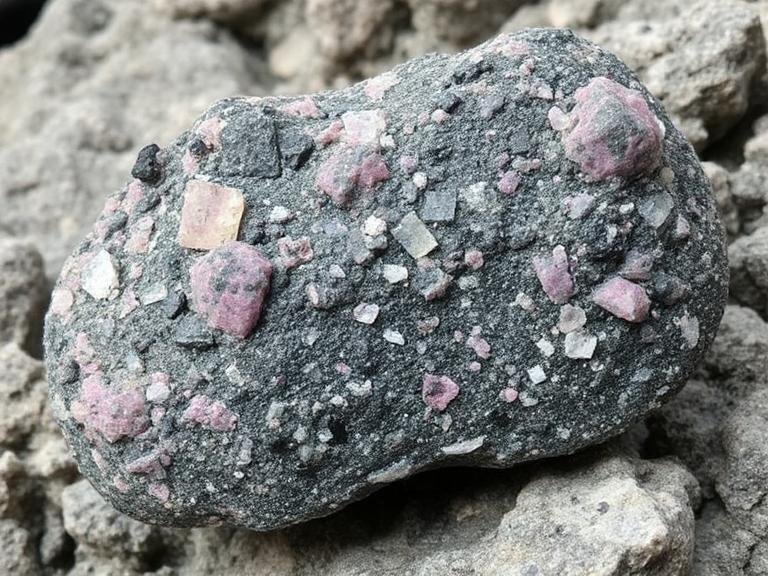
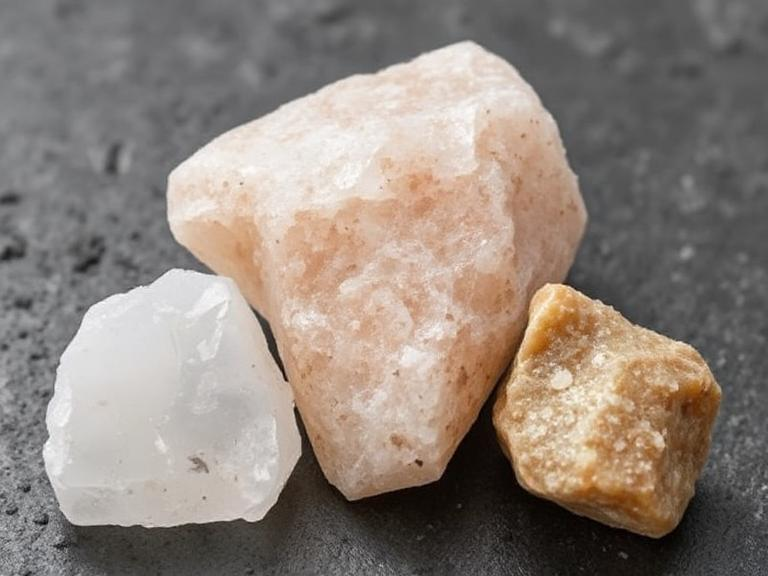
Mica ore, a valuable mineral resource, is often transported over short distances from mining sites to processing or storage areas. During this process, it is highly susceptible to damage from external elements, especially rain. Rainwater can seep into the mica ore, causing it to absorb moisture. This moisture absorption can lead to a series of problems, such as reduced ore quality, increased weight, and potential chemical reactions that may alter the composition of the mica. Therefore, using waterproof cloth to cover the mica ore during short – distance transportation is of utmost importance to protect its integrity and value.
Impact of Rain on Mica Ore Quality
When mica ore gets wet, its physical and chemical properties can change. The moisture can cause the mica flakes to stick together, making it difficult to separate them during subsequent processing. Additionally, the presence of water can promote the growth of microorganisms on the ore surface, which can further degrade its quality. In some cases, rainwater may contain impurities that can contaminate the mica ore, affecting its suitability for various industrial applications.
Selection of Appropriate Waterproof Cloth
Material Characteristics
The waterproof cloth used for covering mica ore should have excellent water – repellent properties. It should be able to effectively prevent rainwater from penetrating through to the ore below. Materials such as polyethylene – coated fabrics are a good choice as they offer high water resistance. The cloth should also be durable enough to withstand the wear and tear associated with transportation, including exposure to wind, dust, and abrasion from the ore itself.
Size and Shape Considerations
The size of the waterproof cloth should be large enough to completely cover the mica ore load. It should have sufficient overhang on all sides to ensure that no part of the ore is left exposed. When selecting the shape of the cloth, consider the shape of the ore pile or the container used for transportation. A rectangular or square – shaped cloth is often suitable for covering flat – topped ore piles, while a more flexible, custom – shaped cloth may be needed for irregularly shaped loads.
Proper Installation Techniques
Securing the Cloth at the Edges
To ensure that the waterproof cloth remains in place during transportation, it is essential to secure it properly at the edges. One effective method is to use ropes or straps. Attach the ropes or straps to the corners and sides of the cloth and then fasten them to the transportation vehicle or the base structure holding the mica ore. Make sure the ropes or straps are tight enough to prevent the cloth from flapping in the wind but not so tight that they damage the cloth or the ore.
Creating a Tight Seal
In addition to securing the edges, it is important to create a tight seal around the base of the mica ore load. This can be achieved by tucking the edges of the cloth under the ore or using weights such as sandbags or heavy stones to hold the cloth down. A tight seal will prevent rainwater from seeping in from the sides and bottom of the covered area, providing comprehensive protection for the mica ore.
Regular Inspection and Maintenance
During Transportation
During short – distance transportation, it is necessary to conduct regular inspections of the waterproof cloth coverage. Check for any signs of damage, such as tears, holes, or loose fastenings. If any damage is detected, take immediate action to repair it. For minor tears, you can use waterproof tape to patch them up temporarily. In case of more significant damage, consider replacing the affected section of the cloth to ensure continued protection for the mica ore.
Before and After Each Trip
Before starting a transportation trip, inspect the waterproof cloth to make sure it is in good condition and properly installed. After completing the trip, remove the cloth and check for any moisture that may have accumulated inside. If the ore has absorbed some moisture, take appropriate measures to dry it out before storage or further processing. Also, clean the waterproof cloth to remove any dust or debris that may have accumulated during transportation, and store it in a dry place for future use.
Handling in Adverse Weather Conditions
High Winds
In areas prone to high winds during transportation, additional precautions should be taken to keep the waterproof cloth in place. Use more ropes or straps to secure the cloth, and consider adding extra weights at the edges. If possible, choose a transportation route that offers some natural wind protection, such as traveling through areas with trees or buildings.
Heavy Rain
During heavy rain, it is especially important to ensure that the waterproof cloth is properly installed and sealed. Check the cloth more frequently for any signs of leakage. If the rain is extremely heavy, consider stopping the transportation temporarily and seeking shelter until the rain subsides to prevent excessive moisture absorption by the mica ore.