
Mica Tape in Electric Motor Insulation and Sealing: The Thin Strip That Keeps Motors From Burning Down
Electric motors are everywhere. They sit inside washing machines, power tools, HVAC systems, electric vehicles, and industrial pumps. They run for thousands of hours under heat, vibration, and electrical stress. And somewhere inside almost every one of them, wrapped around a wire or pressed between two metal parts, there is a thin strip of mica tape doing a job that no other material can do as well. It insulates. It seals. It survives. And when it fails, the motor fails with it.
What Makes Mica Tape So Critical Inside Electric Motors
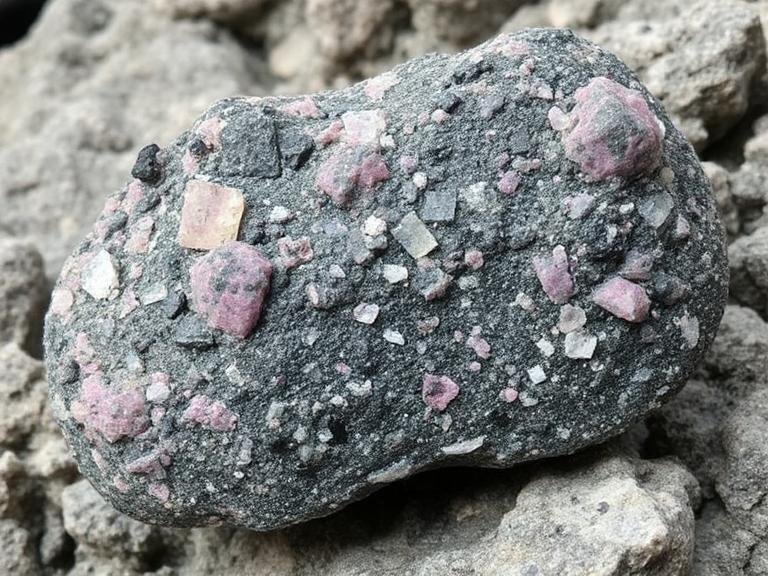
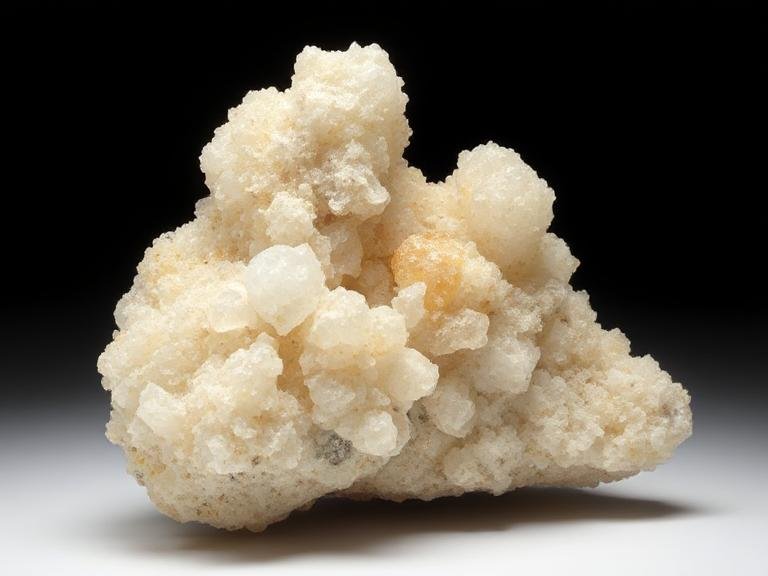
Mica tape is not like ordinary electrical tape. It is made from mica flakes bonded together with a high-temperature resin — usually silicone, glass, or epoxy-based. The result is a thin, flexible, heat-resistant strip that can be wrapped around wire, cut into gaskets, or pressed into slots inside a motor.
The reason it matters so much comes down to what happens inside a motor when it runs. Copper windings carry current at high amperage. That current generates heat — sometimes a lot of it. The windings sit against a metal stator core. If the insulation between the wire and the core fails, current arcs to the metal, the wire shorts, and the motor burns out. Mica tape is what prevents that from happening.
Unlike plastic insulation films that soften and melt at elevated temperatures, mica tape holds its shape and its dielectric strength well past 500 degrees Celsius. Unlike paper insulation that absorbs moisture and degrades over time, mica tape stays dry and stable. Unlike rubber gaskets that crack under vibration, mica tape flexes without breaking. These properties make it the default insulation material for motors that run hot, run long, or run in harsh environments.
Where Mica Tape Gets Used Inside Electric Motors
You will not see mica tape listed on any motor nameplate. It is buried inside the windings, hidden behind end bells, pressed into slots that never see daylight. But it is in almost every motor you have ever used.
Slot Insulation Between Windings and Stator Core
The most common place to find mica tape is lining the slots in the stator core. When copper wire is wound into the stator slots, it sits directly against the laminated steel core. A thin layer of mica tape — often called slot liner — is placed between the wire and the steel before the winding goes in.
This liner does two things. First, it insulates the wire from the core electrically. Second, it protects the wire from the sharp edges of the steel laminations, which can cut through ordinary insulation over time as the motor vibrates.
Mica tape works here because it is thin enough to fit inside tight slots without taking up too much space, yet strong enough to resist being torn by the winding wire as it is pulled into place. A typical slot liner might be just 0.1 to 0.3 millimeters thick, but that thin layer is the difference between a motor that runs for 20 years and one that shorts out in six months.
Phase Insulation Between Winding Groups
In motors with multiple winding phases — which is most of them — the different phase groups need to be insulated from each other. A fault between phases is catastrophic. It causes a dead short, massive current flow, and instant motor destruction.
Mica tape is used as phase insulation between winding groups. It is cut into strips and placed between the phase windings before they are tied or impregnated with varnish. The tape must withstand the full voltage difference between phases, which in industrial motors can be several hundred volts. Mica tape handles this easily because its dielectric strength is among the highest of any practical insulation material.
This is also where mica tape outperforms polymer films. Plastic phase insulation can shrink or deform during the varnish impregnation process, which happens when the motor is baked to cure the insulating varnish. Mica tape does not shrink. It stays exactly where you put it, maintaining consistent insulation thickness even after the bake cycle.
End Winding Insulation and Lacing
The end windings — the parts of the copper wire that stick out of the stator slots on both ends of the motor — are exposed to mechanical stress, vibration, and high voltage. These areas need extra insulation, and mica tape is often used to wrap or band the end windings in place.
Mica tape wrapping on end windings serves as both insulation and mechanical restraint. It keeps the wires from vibrating loose, prevents them from rubbing against each other, and provides a dielectric barrier between the high-voltage windings and the grounded motor frame. In large motors, mica tape is sometimes combined with fiberglass tape for added mechanical strength, but the mica layer is always the one doing the electrical work.
Commutator and Brush Insulation in DC Motors
DC motors and universal motors have commutators — segmented copper cylinders that reverse the current direction in the rotor windings. The commutator segments are separated by thin mica insulation strips, and these strips are critical to motor function.
If the mica between commutator segments wears down or breaks down, the segments short together. The motor sparks, loses power, and eventually burns out the commutator. Mica mica strips in this application must resist arcing, heat, and mechanical wear from the brushes sliding across the surface.
Mica tape and mica sheets used here are often reinforced with a binder that can withstand the abrasive action of carbon brushes. The mica itself provides the electrical isolation, while the binder keeps the material from crumbling under the constant friction. This is one of the most demanding applications for mica in any motor, and it is one where mica has no real competitor.
Mica Tape as a Sealing Material in Motor Assemblies
Insulation is the obvious role for mica tape, but sealing is just as important — and just as overlooked.
Sealing Against Moisture and Contaminants
Electric motors in outdoor or industrial environments face moisture, dust, oil, and chemical exposure. If any of these get inside the windings, they degrade the insulation and cause premature failure. Mica tape is used as a seal around wire leads, terminal connections, and housing joints to keep contaminants out.
Unlike rubber gaskets that harden and crack over time, mica tape maintains its flexibility and sealing ability even after years of thermal cycling. It does not off-gas. It does not become brittle. It sits in place and does its job quietly.
In hermetic motors — sealed units used in aerospace, military, and medical equipment — mica tape is part of the hermetic seal assembly. It sits between the terminal pins and the housing wall, providing both electrical insulation and a moisture barrier. These motors need to operate reliably for decades without maintenance, and mica tape is one of the few materials that can deliver on that promise.
Sealing Between Laminations in the Stator Core
The stator core is made of thin steel laminations stacked together. Gaps between these laminations can allow moisture to seep in and cause corrosion, which increases eddy current losses and heats the motor. Mica tape is sometimes used as a bonding and sealing layer between laminations, filling micro-gaps and preventing moisture ingress.
This application is subtle but important. A motor with corroded laminations runs hotter, draws more current, and has a shorter life. Mica tape between the laminations acts as a barrier that keeps the core dry and the motor efficient.
How Mica Tape Compares to Other Motor Insulation Materials
Engineers have alternatives. Nomex, polyester film, glass fiber tape, silicone rubber, and ceramic-coated fabrics all get used in motor insulation. So why does mica tape still show up in so many designs?
The answer is temperature. Most polymer-based insulations start to degrade above 180 to 200 degrees Celsius. Mica tape handles 500 degrees and beyond. In motors that run hot — compressor motors, traction motors, servo motors — that temperature margin is not a luxury. It is a requirement.
Nomex is a good insulator and is widely used in motor slot liners. But it absorbs moisture over time, which reduces its dielectric strength. Mica tape does not absorb moisture. In humid environments or in motors that see condensation during startup, this difference matters.
Glass fiber tape is strong and heat-resistant, but it is not as flexible as mica tape. Wrapping glass fiber around irregular wire shapes or into tight slots is difficult. Mica tape conforms easily to any shape, which makes it faster to apply and more reliable in complex winding geometries.
Silicone rubber seals well but has low dielectric strength compared to mica. It is used for external sealing but rarely for internal electrical insulation inside the windings. Mica tape does both — insulates electrically and seals against moisture — in a single thin strip.
Common Failure Modes of Mica Tape in Motors and How to Prevent Them
Mica tape lasts a long time, but it is not invincible. Knowing how it fails can help you avoid costly motor repairs.
The most common failure is mechanical damage during winding. When copper wire is pulled into a stator slot, it drags against the slot liner. If the mica tape is too thin or too brittle, it tears. A torn slot liner exposes the wire to the steel core, and the motor will eventually short out. Using mica tape with adequate tensile strength and applying it smoothly without wrinkles or folds prevents this.
Thermal degradation is another failure mode, though it takes years to develop. In motors that run continuously at high temperature, the binder in mica tape can slowly break down, causing the tape to lose flexibility and eventually crack. This is why motors rated for continuous high-temperature operation use mica tape with high-temperature binders — silicone or glass-based rather than epoxy-based.
Moisture contamination during storage is a silent problem. Mica tape itself does not absorb water, but if it gets wet before installation, the binder can be compromised. Wet mica tape applied to windings will not bond properly, and it can create voids that become weak points under electrical stress. Always store mica tape in a dry, sealed container and check it for moisture before use.
The Role of Mica Tape in High-Voltage Motor Design
As motors get more powerful, the voltages inside them increase. Industrial motors, traction motors for electric vehicles, and generators all operate at voltages that would destroy ordinary insulation in seconds.
Mica tape is one of the few materials that can insulate at these voltages while also surviving the heat generated by high current. In a 10,000-volt motor, the insulation between windings and ground must withstand the full voltage without breaking down. Mica tape with a thickness of just a few tenths of a millimeter can handle several thousand volts, which means a small number of layers can provide the full insulation rating.
This thinness is a huge advantage. Every millimeter of insulation takes up space inside the motor. Thicker insulation means fewer winding turns, which means less torque or power. Mica tape gives maximum insulation in minimum thickness, which is why high-voltage motor designers specify it over bulkier alternatives.
Why Mica Tape Will Stay Relevant in Motor Design
Electric motors are getting more efficient, more compact, and more powerful. The trend toward higher power density means more heat in less space. The trend toward electrification means motors running at higher voltages and higher temperatures than ever before.
Mica tape thrives in these conditions. It does not get better. It gets more necessary.
Newer insulation materials keep appearing, but none of them match mica tape across all the key metrics — dielectric strength, thermal resistance, mechanical flexibility, moisture resistance, and long-term stability. Mica tape has been used in motors for over a century, and its failure rate in the field is remarkably low. That track record is hard to beat.
The next time a motor runs quietly for 30,000 hours without a single insulation failure, there is a good chance that a thin strip of mica tape inside the windings is the reason why.