

Mica Insulation in Home Appliances: The Hidden Safety Layer You Never See But Always Rely On
Every time you plug in a toaster, turn on a hairdryer, or crank up the heat in your electric oven, there is something working silently behind the scenes to keep you from getting hurt. It is not the fuse. It is not the circuit breaker. It is a thin, flaky mineral called mica, and it has been the backbone of electrical insulation in home appliances for nearly a century. Most people have never heard of it, yet without it, modern household appliances would be far more dangerous than they already are.
What Makes Mica Such a Reliable Insulator for Electrical Equipment
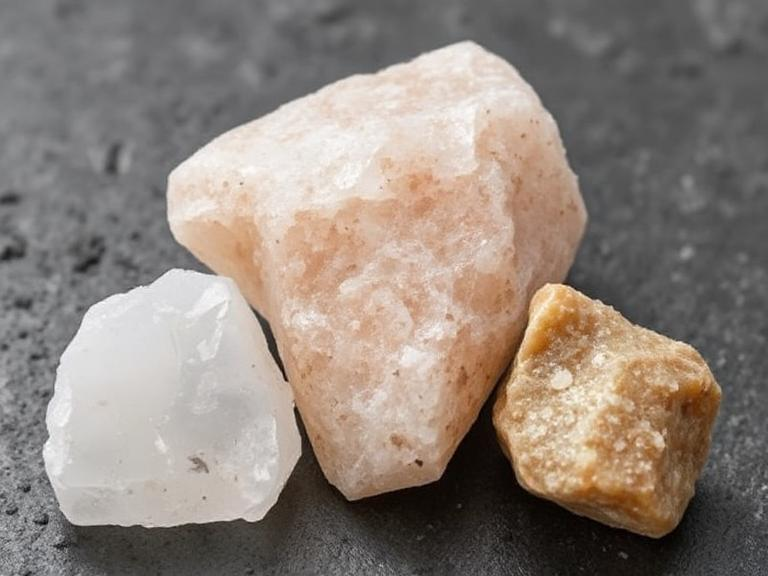
Mica is not just any mineral. It belongs to a group of silicate minerals that split naturally into incredibly thin, flat sheets. These sheets are electrically non-conductive, thermally stable, and mechanically tough — a combination that is almost impossible to find in any other naturally occurring material.
When used inside appliances, mica sheets or mica-based composites sit directly between live electrical components and the metal casing that you touch. If a wire comes loose or a heating element overheats, the mica layer is what stops the current from reaching your hand. It does not melt easily. It does not burn. It does not degrade quickly under heat. Even at temperatures exceeding 500 degrees Celsius, mica holds its structural integrity, which is exactly why it has become the standard insulation material in irons, heaters, ovens, and dryers.
Unlike plastic insulators, which can soften, warp, or release toxic fumes when exposed to prolonged heat, mica stays inert. It does not off-gas. It does not become brittle over time. This makes it especially critical in appliances that generate sustained high temperatures, where failure of the insulation could mean fire or electric shock.
Where Exactly Is Mica Hiding Inside Your Appliances
You will never see mica listed on any label, and you will never spot it if you tear open a device. That is by design. Mica works best when it is invisible.
Heating Elements in Irons and Dryers
The most common place to find mica insulation is wrapped around or sandwiched next to the heating coils in clothes irons, hair dryers, and space heaters. The mica sheet acts as a barrier between the live nichrome wire and the metal body of the appliance. In many irons, you will find a mica washer pressed directly against the heating plate, ensuring that even if the element touches the metal soleplate, the current cannot pass through to the outer shell.
This is one of those applications where mica is literally the only thing standing between you and a live electrical surface. A worn-out or cracked mica washer in an old iron is one of the most common causes of electric shock from household appliances, which is why anyone who repairs irons knows to check the mica first.
Motor Windings in Washing Machines and Blenders
Electric motors are everywhere in the home — washing machines, blenders, food processors, vacuum cleaners. Inside each motor, copper windings carry current at high speed, generating heat and vibration. Mica insulation tape or mica paper is wrapped between the windings and the motor housing to prevent short circuits.
The reason mica is preferred over plastic film here is its thermal endurance. Motor windings can easily reach 150 to 200 degrees Celsius during heavy use. Most polymer insulations start to degrade at those temperatures, but mica does not. It also resists the mechanical stress caused by vibration, which would crack or tear thinner plastic insulators over time.
Oven and Stove Ignition Systems
Gas ovens and stovetops use mica in their ignition modules. The spark generator produces a high-voltage pulse to light the gas, and mica insulates the high-voltage side from the low-voltage control circuit. Without mica, the spark could arc to the wrong place, causing a misfire or, worse, a gas leak without ignition — a genuinely dangerous scenario.
Mica washers in these systems are thin, precise, and irreplaceable. They sit between the electrode and the ground terminal, handling thousands of ignition cycles without breaking down.
Why Manufacturers Keep Choosing Mica Over Newer Materials
You might wonder why, in an age of advanced polymers and ceramic composites, appliance makers still reach for mica. The answer comes down to three things: reliability, cost-effectiveness, and regulatory compliance.
Mica has been tested under real-world conditions for over 80 years. Its failure modes are well understood. Engineers know exactly how long it lasts, how it behaves under heat, and what happens when it finally wears out. Newer synthetic insulators may perform similarly in lab tests, but they lack that long track record. For manufacturers building appliances that sit in millions of homes, that track record matters more than any performance claim.
From a cost perspective, mica is abundant and relatively easy to process into sheets, tapes, and washers. It does not require exotic manufacturing equipment. A mica washer can be die-cut in seconds and costs almost nothing in material terms, yet it performs a safety function that no amount of software or digital control can replace.
Regulatory bodies around the world still reference mica by name in their safety standards for household appliances. When a product needs to pass UL, CE, or other certification marks, the insulation materials used in heating elements and motor windings are scrutinized heavily. Mica has never failed those tests. That consistency is hard to argue with.
How Mica Insulation Fails and What That Means for Safety
Mica is tough, but it is not indestructible. Over time, repeated heating and cooling cycles cause mica to become brittle. Mechanical stress from vibration can create micro-cracks. Moisture, if it gets inside the appliance, can slowly degrade the mica surface and reduce its insulating properties.
When mica fails, it usually fails silently. There is no warning light. There is no smell — at least not at first. The appliance keeps working, but the insulation barrier is compromised. This is why old appliances, especially irons and heaters that are more than five or six years old, carry a higher risk of electric shock. The mica inside has simply done its job for too long.
This is also why anyone who repairs or refurbishes electrical appliances should always inspect the mica components. A cracked mica washer in a heating element can be replaced cheaply, but ignoring it can lead to a shock that sends someone to the hospital.
The Role of Mica in Preventing Electrical Fires at Home
Electrical fires in homes are more common than most people realize, and a significant portion of them originate in appliances with degraded insulation. Mica plays a direct role in preventing these fires by maintaining a stable barrier between live components and flammable materials.
In a toaster, for example, the mica sheet between the heating element and the metal frame prevents the element from arcing to the frame if it shifts position during use. In a dryer, mica insulation around the motor windings prevents a short circuit that could ignite lint buildup inside the drum. These are not hypothetical scenarios. They are documented failure modes that mica was specifically chosen to address.
The flame retardant properties of mica add another layer of protection. Even if a fire starts nearby, mica does not contribute fuel to the flame. It is inherently non-combustible, which means it will not melt, drip, or spread fire the way plastic insulators can. In an appliance fire, every second of delay in flame spread counts, and mica buys those seconds.
Looking Ahead: Mica in the Next Generation of Smart Appliances
As home appliances get smarter — with Wi-Fi connectivity, touch controls, and automated heating cycles — the electrical demands on internal components are increasing. More sensors, more circuit boards, more motors, all packed into tighter spaces with higher heat output. This actually increases the need for reliable insulation, not decreases it.
Mica-based composites are already being engineered for these next-generation appliances. Thinner mica sheets with higher dielectric strength, mica-filled polymers that combine the best of both worlds, and mica tapes rated for even higher temperatures are all in development. The core material has not changed, but the way it is applied is evolving to meet new challenges.
What has not changed is the fundamental truth: mica is one of the few materials that can simultaneously insulate electrically, resist heat, withstand mechanical stress, and remain chemically stable for years. In a world full of flashy new materials, mica keeps doing its quiet, unglamorous work inside the appliances you use every single day.