
Enhancing Moisture Resistance in Asphalt Waterproofing with Mica Reinforcement
The Role of Mica in Asphalt-Based Waterproofing Systems
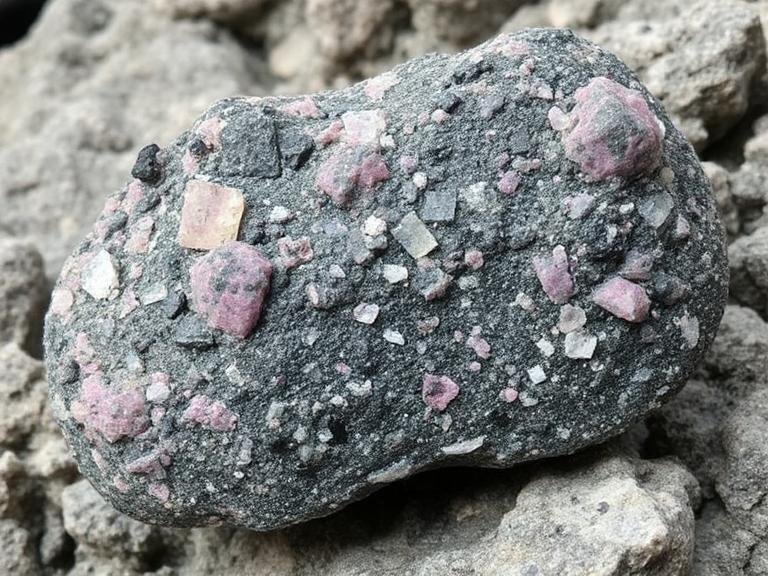
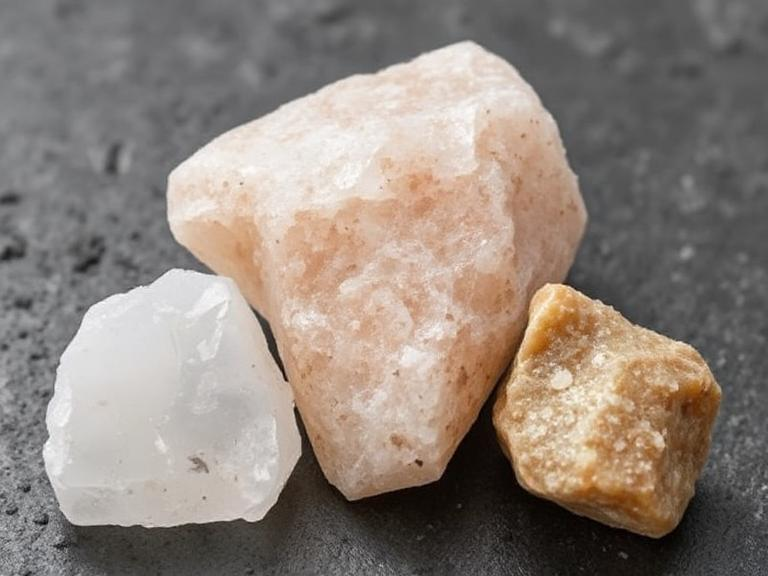
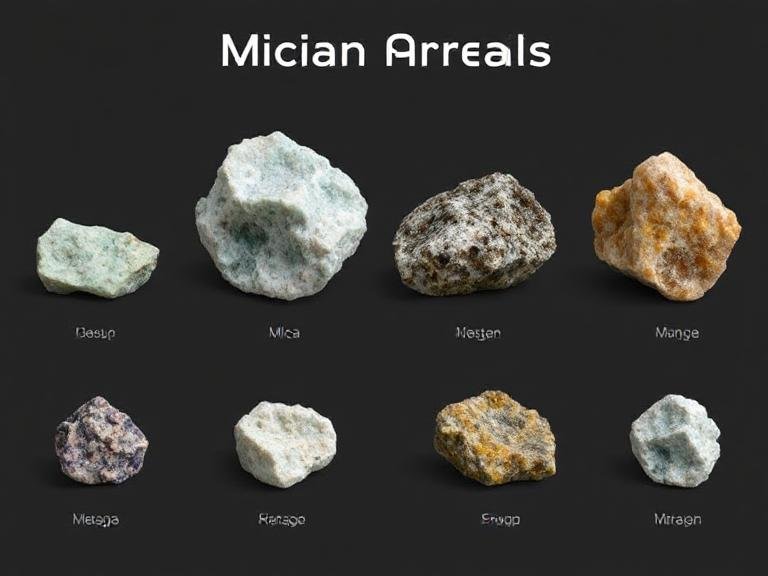
Mica, a naturally occurring mineral with layered silicate structure, has emerged as a valuable additive for improving the performance of asphalt-based waterproofing materials. Its unique physical properties contribute significantly to moisture resistance, durability, and overall effectiveness in various construction applications.
The platelet-like structure of mica creates a tortuous path for water molecules when incorporated into asphalt formulations. This physical barrier effect reduces water penetration while maintaining the material’s flexibility—a critical characteristic for waterproofing membranes that must accommodate building movement without cracking.
When exposed to moisture, mica’s hydrophilic edges interact minimally with water compared to other fillers, preventing swelling or degradation. This stability ensures the waterproofing layer maintains its integrity over time, even in humid or wet environments. The mineral’s chemical inertness also prevents adverse reactions with asphalt components, preserving the material’s original properties.
Improving Mechanical Properties Through Mica Reinforcement
Enhanced Tensile Strength and Flexibility
The incorporation of mica into asphalt formulations significantly improves tensile strength without compromising flexibility. The plate-like mica particles align within the asphalt matrix, creating a reinforcing network that resists deformation under stress. This reinforcement helps prevent cracking caused by thermal expansion, structural movement, or mechanical impact.
Studies show that mica-modified asphalt membranes exhibit greater elongation at break compared to unmodified versions. This increased flexibility allows the material to stretch rather than tear when subjected to building settlement or temperature fluctuations. The balanced improvement in strength and flexibility makes mica-reinforced asphalt suitable for both rigid and flexible waterproofing applications.
The orientation of mica particles during mixing influences the final mechanical properties. Proper dispersion ensures uniform reinforcement throughout the asphalt matrix, maximizing the material’s resistance to puncture and tear propagation. This characteristic is particularly valuable for roofing systems exposed to foot traffic or falling debris.
Resistance to Fatigue and Aging
Mica’s presence in asphalt formulations enhances resistance to fatigue caused by repeated loading cycles. The mineral’s rigid platelets distribute stress more evenly, reducing the concentration of forces that lead to micro-cracking. This property extends the service life of waterproofing systems in high-traffic areas or structures subject to vibrations.
The mineral’s stability under ultraviolet exposure also improves the aging resistance of asphalt membranes. Unlike some organic fillers that degrade when exposed to sunlight, mica maintains its structural integrity, preventing premature hardening or embrittlement of the waterproofing layer. This durability ensures long-term protection against moisture ingress.
In freeze-thaw environments, mica-reinforced asphalt demonstrates superior performance by resisting damage from water expansion during freezing. The mineral’s low water absorption prevents internal pressure buildup that could otherwise cause cracking or delamination of the waterproofing system.
Applications in Different Construction Scenarios
Roofing Systems
Mica-enhanced asphalt membranes provide reliable waterproofing for flat and low-slope roofs. The mineral’s reinforcement improves the membranes’ resistance to punctures from roofing fasteners or foot traffic while maintaining the flexibility needed to accommodate building movement. The moisture-resistant properties prevent water infiltration that could lead to structural damage or mold growth.
In green roof applications, mica-modified asphalt serves as an effective waterproofing layer beneath vegetation and drainage systems. The material’s durability ensures it withstands root penetration and constant moisture exposure without degrading. Its UV resistance also protects against solar degradation in exposed roof installations.
For historic building preservation, mica-reinforced asphalt offers a compatible solution that matches the performance of traditional materials while providing modern moisture protection. The mineral’s natural origin makes it suitable for applications where chemical additives might be restricted or undesirable.
Foundation and Basement Waterproofing
The hydrostatic pressure resistance of mica-enhanced asphalt makes it ideal for below-grade waterproofing applications. When applied to foundation walls or basement floors, the material creates an impermeable barrier that prevents groundwater penetration. The mineral’s reinforcement helps the asphalt withstand soil movement without cracking.
In areas with high water tables or frequent flooding, mica-modified asphalt provides reliable protection against moisture ingress. The material’s ability to bridge small cracks in concrete substrates prevents water from finding pathways into building interiors. This application helps maintain indoor air quality by preventing mold and mildew growth associated with damp environments.
The ease of application of mica-reinforced asphalt makes it suitable for both new construction and renovation projects. The material can be applied as a hot-mopped membrane, cold-applied coating, or self-adhered sheet, depending on project requirements and site conditions.
Tunnel and Underground Structure Protection
The demanding environment of tunnels and underground structures requires waterproofing materials with exceptional durability and moisture resistance. Mica-enhanced asphalt formulations meet these requirements by providing a tough, flexible barrier that withstands constant exposure to groundwater, humidity, and mechanical stress.
In tunnel applications, the material’s resistance to chemical attack from soil contaminants or de-icing salts ensures long-term performance. The mineral’s stability prevents degradation that could compromise the waterproofing integrity, protecting the structure from corrosion and concrete spalling.
The flexibility of mica-reinforced asphalt allows it to conform to irregular surfaces commonly found in tunnel construction. This adaptability ensures complete coverage and sealing of joints and penetrations, critical areas for preventing water ingress in underground environments.