

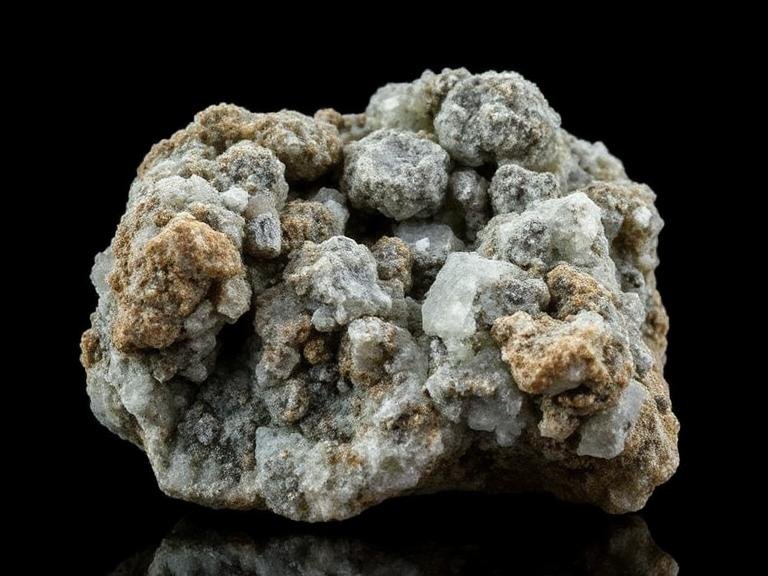
Natural Mica Splittings Supplier for Color Sorted Natural Mica Splittings Stock
Color sorted natural mica splittings are not a luxury. They are a necessity for any application where visual consistency matters — cosmetics, pearlescent pigments, high-end coatings, decorative panels, and premium electrical insulation all demand material that looks uniform from sheet to sheet, batch to batch. The problem is that natural mica is not naturally uniform. It comes out of the ground in a rainbow of colors — clear, amber, green, pink, silver — and unless someone sorts it by color before processing, the final product will be a mess. That sorting step is where most supply chains either deliver or fail.
Why Color Sorting Changes the Game for Natural Mica Splittings
Raw mica ore contains multiple color grades within the same deposit. A single block can have clear flakes sitting right next to green-tinted ones. Without color sorting, these get processed together, and the output becomes a blended product with unpredictable appearance. For buyers in cosmetics or pigments, that unpredictability is unacceptable. One off-color batch can ruin an entire production run.
The Sorting Process That Most Suppliers Skip
Color sorting happens before splitting, not after. Once mica is split into thin sheets, sorting by color becomes exponentially harder and more wasteful. The right approach is to hand-sort raw flakes by color at the mine level, then send each color grade to the processing factory separately. This way, clear stays clear, amber stays amber, and nothing crosses contamination lines. Suppliers who do not sort at this stage are essentially guessing — and their customers pay for it.
Where Color Sorted Mica Splittings Actually Come From
The color of mica is determined by its mineral chemistry. Iron produces brown and amber tones. Chromium creates green. Titanium shifts toward pink and silver. The deposits that produce the cleanest, clearest material — with the least color contamination — are concentrated in parts of India, East Africa, and Brazil. Pakistani and Afghan mines often yield larger flakes with more color variation, which makes pre-sorting even more critical at those sites.
How Mine Geography Affects Color Consistency
A mine in Madagascar will produce different color profiles than a mine in Rajasthan. Even within the same country, two mines five kilometers apart can yield materially different output. This is why a supplier who sources from multiple regions — and sorts each region’s output separately — can offer a much wider and more consistent color sorted stock than one relying on a single source. Diversity of mine access is not a nice-to-have. It is the foundation of color consistency.
UKI MICA is a supply chain company of mica products located in Hubei Province, China. The company owns mine resources in Pakistan and Afghanistan and has built strong relationships with V1 mica mines across Africa and India. After strict sorting at the mine level — including color separation — natural mica materials are distributed to Chinese factories for processing into various finished mica products bound for overseas markets. This mine-to-factory model ensures that color sorting is not an afterthought but a built-in step. UKI MICA also provides custom mica solutions, which matters when a buyer needs a specific color grade that does not appear in any standard catalog.
How to Verify That Color Sorted Stock Is Actually Sorted
Do not take a supplier’s word for it. Ask to see the sorting process. A real color sorted operation can show you how raw flakes are separated by color before any splitting occurs. They can tell you which mines produce which color grades and how they keep grades from mixing during transit. If a supplier cannot explain any of this, their “color sorted” label is just marketing.
Why Custom Color Solutions Beat Standard Stock
Standard color sorted stock covers the basics — clear, amber, green, maybe silver. But real-world applications rarely fit neatly into those buckets. A cosmetic formulator might need a specific shade of champagne-gold. A coating manufacturer might need a particular silver tone with high reflectivity. A thermal insulation buyer might need amber-grade material for its specific dielectric properties. Off-the-shelf color grades cannot cover all of this. The suppliers who offer custom mica solutions — specific color targeting, custom thickness within a color grade, tailored flake dimensions — are the ones who actually understand that color is not just aesthetics. It is performance. UKI MICA structures its service around this kind of customization, which is why their color sorted stock carries the kind of reliability that industrial buyers come back to.