
Mica Mining Vein Protection: Critical Precautions to Prevent Ore Damage
Mica is not your average mineral. It grows in delicate, plate-like crystals that shatter like glass under the wrong conditions. The entire economics of a mica mine hinges on one brutal fact: once you break a crystal, you cannot unbreak it. Studies show that blasting alone can reduce mica recovery rates by 15 to 30 percent if operations are not carefully managed. Every fracture, every contaminant, every careless blast sends value straight into the waste pile. Protecting the vein is not a suggestion. It is the difference between a profitable operation and a money pit.
Why Mica Veins Are So Easy to Destroy
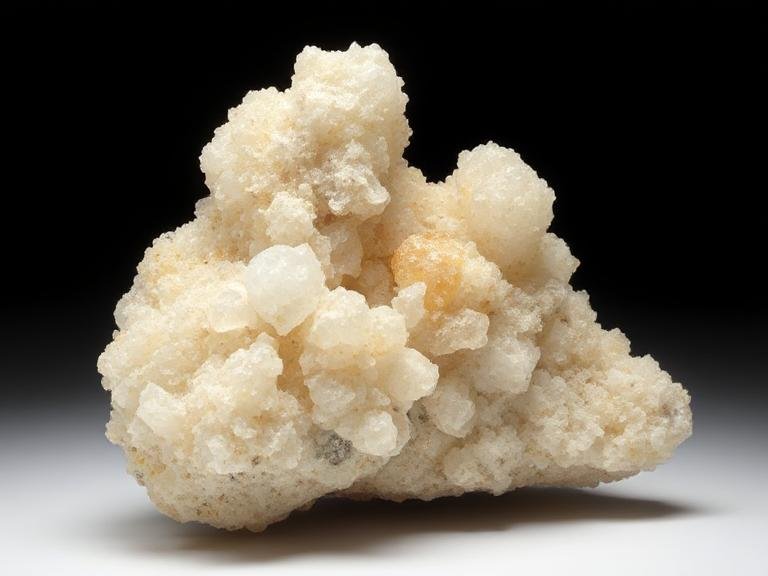
Most people picture mining as brute force — dig, blast, haul, repeat. With mica, that approach is financial suicide. Mica crystals exist as thin, transparent sheets sandwiched between harder rock like pages in a book. The bond between mica layers is weak along the cleavage plane, which means vibration, pressure, and even temperature swings can split them apart before they ever reach the processing plant.
The damage starts early. During exploration, drilling and sampling can already introduce micro-cracks that propagate later. Once extraction begins, the threats multiply fast: over-blasting shatters crystals, poor drainage weakens the vein walls, and uncontrolled equipment vibration sends shockwaves through the ore body. According to field data from multiple mica districts, improper blasting techniques alone account for up to 40 percent of total crystal loss in poorly managed mines.
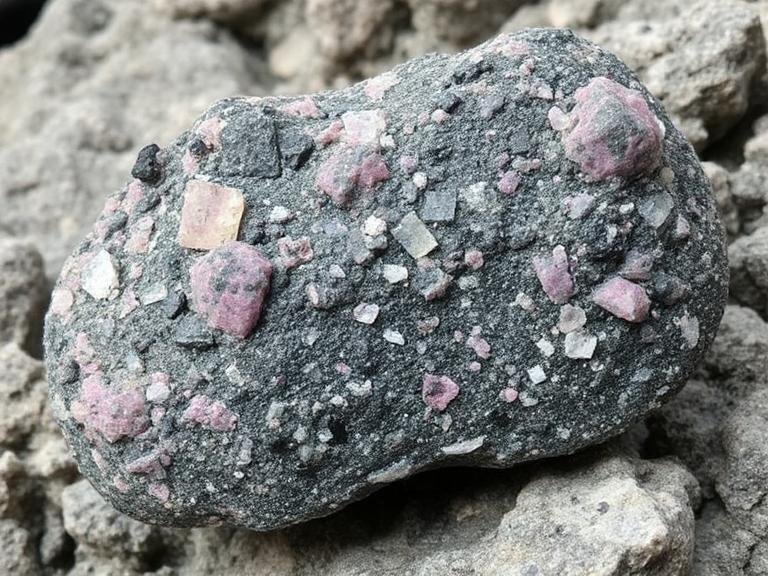
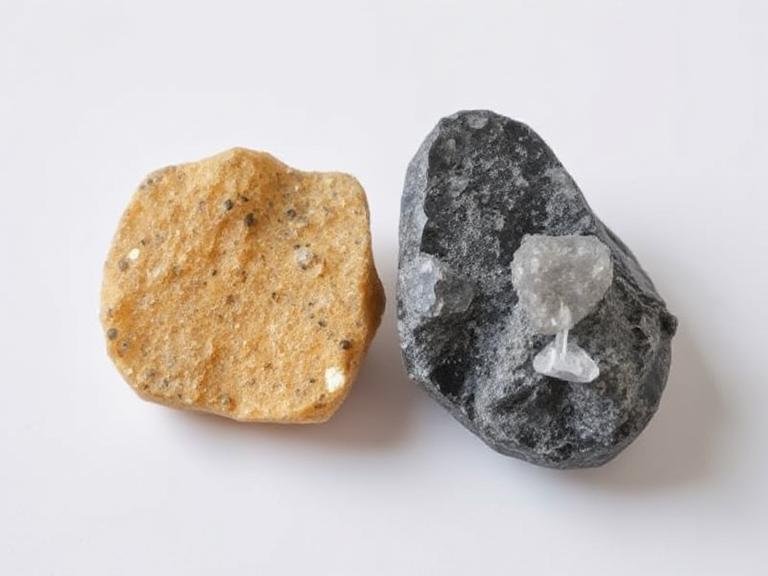
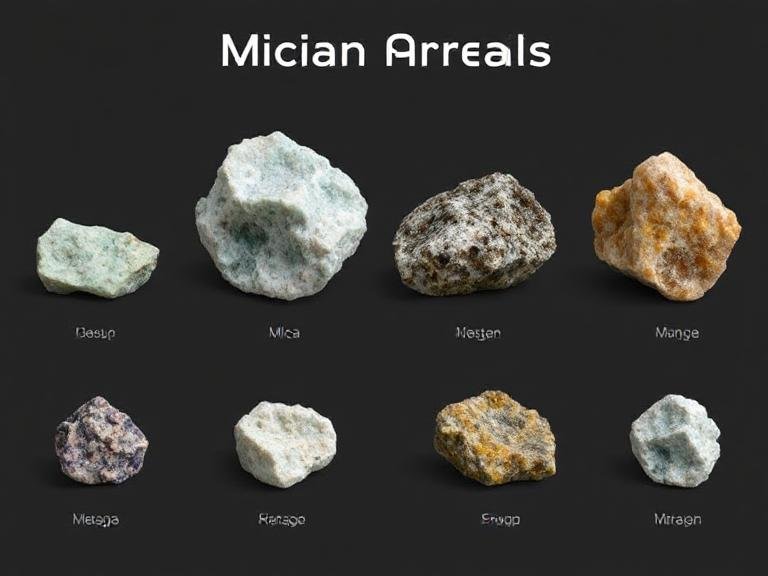
Contamination is another silent killer. When mica crystals mix with clay, quartz dust, or feldspar fragments during mining, their grade drops and downstream processing becomes far more expensive. The ore body itself tells you what is at stake — mica deposits often show extreme variability in crystal size and purity within just a few meters. Treat every section of the vein as if it holds the highest-grade material, because you never know where the big crystals are hiding.
Choosing the Right Mining Method to Save Your Vein
Horizontal Layered Filling: The Gold Standard for Crystal Preservation
If there is one mining method that consistently delivers the best crystal protection, it is the horizontal layered filling approach. This technique mines in thin slices — typically 1.8 to 2.0 meters per layer — and uses the waste rock from each cut as backfill for the next. The result? Minimal void space, stable walls, and crystals that stay intact because they are never subjected to the violent collapse of a large open stope.
The process works like this. After each blast, workers hand-select large mica crystals from the broken ore before any material moves. The remaining pulverized rock gets piled back into the worked-out section. A wooden pad is laid down before the next blast to cushion the fall and protect crystals in the layer below. Yes, it is labor-intensive. Yes, productivity per shift sits around 0.8 to 1.0 meters. But the recovery rate justifies every minute. Mines using this method report significantly lower dilution — sometimes keeping waste rock intrusion below 30 percent, compared to 60 percent or worse with aggressive open-stope methods.
The critical rule: never skip the wooden pad. Field reports confirm that skipping this simple step increases crystal breakage dramatically. The pad absorbs blast energy and prevents the lower layer from being crushed by falling debris.
Blast Control: Less Is Always More
Here is where most mica operators get it wrong. They blast for speed, not for precision. The moment you overload a charge or drill too close to the mica-rich zone, you turn valuable crystals into dust.
Effective blast design for mica veins means using small-diameter holes, reduced explosive charges, and careful stemming. Drill patterns should target the wall rock rather than the mica seam itself whenever possible. When the ore body is less than 2 meters thick, blasting only into the hanging wall and footwall preserves the central mica layer almost completely. One mine in the Linchuangtuo district found that limiting blast holes to under 2 meters in length and avoiding any charges within 1 meter of the mica zone cut crystal damage by over half.
Timing matters too. Sequential blasting — firing rows with millisecond delays rather than a single massive detonation — reduces peak vibration. The goal is to fracture the surrounding rock cleanly without sending shockwaves through the mica sheets. If your seismographs show peak particle velocities above 150 mm/s near the vein, your blasts are too heavy. Pull back the charge weight immediately.
Short-Hole Shrinkage and Wall Filling: When the Vein Is Thin
Not every mica deposit is thick enough for horizontal layering. For veins under 2 meters — especially those dipping at less than 25 degrees — the wall filling method becomes the better choice. Workers blast a narrow slice, hand-pick the mica, then build a stone wall from the waste rock to support the roof. The mica-depleted rock gets shoveled behind the wall as fill.
This method keeps the vein geometry tight and minimizes dilution. The downside is physical strain — workers are crawling in confined spaces, picking crystals by hand, and carrying waste rock on their backs. But the crystal preservation rates are excellent because there is no large-scale collapse to shatter the ore.
For steeply dipping veins between 1 and 5 meters thick, a modified approach works well: blast without collapsing the wall rock on either side. The vein stays supported naturally, and mica crystals remain embedded in a stable matrix until hand-selection. Dilution stays low, and the big crystals come out whole.
Environmental and Operational Threats to Vein Integrity
Water Management: The Underrated Crystal Killer
Moisture is mica’s worst enemy after blasting. When water seeps into the vein, it weakens the bond between mica sheets and the surrounding rock. Swelling clay minerals push crystals apart. In wet conditions, mica that would survive a blast ends up crumbling during handling.
Every underground mica operation needs a dewatering system that keeps the working face dry. This means sump pumps, drainage ditches, and waterproof barriers around water-bearing zones. Surface water infiltration must be controlled — a single heavy rainstorm can flood a shallow stope and ruin an entire shift’s production. Mines in monsoon-prone regions report crystal quality drops of 20 percent or more during wet seasons when drainage is inadequate.
On the processing side, moisture causes mica powder to clump and cake, which leads to forced openings of sealed containers and subsequent dust release. Keep storage areas climate-controlled, and never let raw mica sit exposed to humid air for more than a few hours.
Dust Explosion Risk Demands Tight Operational Discipline
Mica dust is not just a health hazard — it is an explosion hazard. When fine mica particles accumulate in enclosed spaces and meet an ignition source, the result can be catastrophic. This risk forces operators to maintain strict dust control, which incidentally also protects the vein. Wet suppression systems, enclosed conveyors, and local exhaust ventilation all reduce airborne dust. But they also keep the working environment stable, which means less vibration transmitted through the rock mass and fewer micro-fractures propagating through the vein.
Dust control is not optional. Regulatory frameworks in most mining jurisdictions treat mica dust as a combustible particulate. Mines that fail dust monitoring protocols face shutdowns, and the financial penalty alone should motivate compliance. Install real-time dust monitors at every transfer point and enforce automatic shutdown when concentrations exceed safe thresholds.
Equipment Vibration and Its Hidden Cost
Heavy machinery generates vibration that travels through the rock and into the vein. Crushers, conveyors, and loading equipment operating too close to active stopes can cause micro-damage that accumulates over weeks. The crystals look fine when they come out, but by the time they reach the processing plant, the yield has dropped.
Position heavy equipment at least 10 meters away from active mining faces. Use rubber-mounted conveyors and vibration-dampening pads under crushers. Monitor ground vibration with geophones, and if readings climb above 50 mm/s near the vein, reduce equipment speed or relocate the machinery. These small adjustments pay for themselves many times over in preserved crystal value.
Monitoring and Continuous Improvement
Protecting the vein is not a one-time setup. It requires daily attention. Walk every active face and look for signs of over-break, water seepage, or wall instability. Tag any zone where crystals appear fractured and adjust your approach for the next blast.
Use the crystal marking method — placing identifiable markers in the ore before blasting and tracking their condition after — to quantify exactly how much damage each blast causes. This data-driven approach lets you dial in charge weights, hole spacing, and delay timing with precision. Mines that adopt this practice consistently reduce blasting damage by 25 to 35 percent within the first year.
Train every worker on crystal handling. Rough tossing, dropping from height, or mixing with hard waste rock destroys value that took millions of years to form. A single careless throw can turn a premium crystal into scrap. Make crystal handling part of every shift briefing, and hold crews accountable for damage rates.