
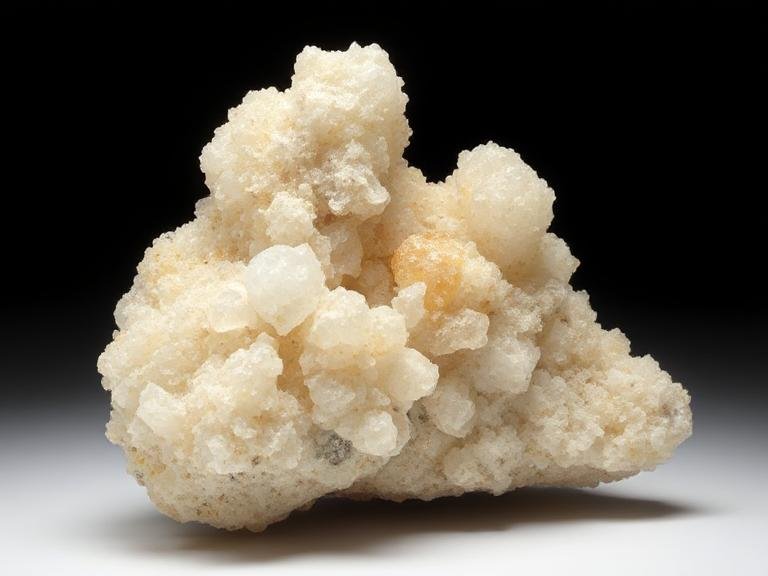
Mica Powder Transport: Sealing and Leak Prevention Essentials
Mica powder is everywhere — in cosmetics, resins, paints, and industrial coatings. But get this: moving it from point A to point B without a single grain escaping is harder than most shippers think. Fine mica dust sneaks through the tiniest gaps, settles in places you will never find it, and in worst-case scenarios, creates a dust explosion hazard. Whether you are hauling a few kilograms or several tonnes, the sealing strategy you choose determines whether your cargo arrives intact or becomes someone else’s cleanup problem.
Why Mica Powder Leaks More Than You Expect
Here is the uncomfortable truth. Mica powder particles range from 250 to 4750 microns in size, according to safety data sheets. That is fine enough to behave almost like a gas when agitated. Vibration during transit, temperature shifts inside a truck or container, and even minor pressure changes can force powder through seams that looked perfectly sealed at the loading dock.
The risk multiplies when you consider that mica dust enrichment in confined spaces creates a genuine dust explosion danger. Safety documents confirm this clearly: while mica in its delivered form is not dust-explosive capable, fine dust accumulation in enclosed transport areas absolutely is. So sealing is not just about keeping product inside — it is about preventing a potentially catastrophic event.
Spills during transport also pose environmental concerns. Mica powder must not enter sewers, surface water, or groundwater. Any release triggers notification requirements to environmental authorities in most jurisdictions. That alone should make leak prevention a non-negotiable priority.
Sealing Techniques That Actually Hold Up
Vacuum Packaging: The Gold Standard
Vacuum packaging is the single most effective method for preventing mica powder leakage during transport. The process removes air from the package, collapsing it tightly around the powder and eliminating the internal pressure that pushes particles through weak points.
One critical rule: fill the packaging with the precise amount of mica powder. Overfilling makes the vacuum process ineffective because there is not enough headspace for air to escape. Underfilling wastes space and allows the powder to shift around during transit, creating wear points in the packaging material.
After vacuum sealing, place the sealed unit inside a secondary moisture-barrier bag or rigid container. This double-layer approach catches any failure in the primary seal before powder ever touches the transport environment.
Container Selection and Closure Methods
Rigid containers outperform flexible bags for long-haul or rough-road transport. Drums, pails, or corrugated boxes with gasketed lids provide structural integrity that plastic bags simply cannot match. If you must use flexible packaging, choose multi-layer laminate films with heat-seal capability rather than standard polyethylene bags. Ordinary plastic offers almost no barrier to fine dust migration over time.
For bulk shipments in tank trucks or railcars, monitor internal pressure continuously during loading and unloading. Sudden pressure changes inside the tank can force powder out through valve seals or fittings. Slow, controlled pressure equalization prevents this entirely. Always ground and bond containers and receiving equipment to prevent static discharge, which can agitate powder and compromise seals mid-transit.
Moisture Barriers Matter More Than You Think
Mica powder is hygroscopic. It absorbs ambient moisture, which causes clumping, caking, and weight gain. A damp clump of mica is heavier, harder to handle, and far more likely to break through a compromised seal. Store and transport in a cool, dry, well-ventilated area. Include fresh desiccant packets inside every container — silica gel works well — and replace them before each shipment.
Keep containers tightly closed when not in active use. Even a brief exposure to humid air during a rest stop can start the clumping process. For cross-border shipments through tropical or monsoon regions, double-wrap with moisture-barrier film and use waterproof outer containers.
Handling Spills and Emergencies on the Road
Immediate Response Protocol
If mica powder escapes during transport, evacuate all personnel not wearing proper protective equipment from the spill area immediately. Do not attempt cleanup without respiratory protection and protective clothing. Mica dust irritates the eyes, respiratory system, and skin — and in high concentrations, it becomes a serious inhalation hazard.
Collect the spilled powder using a vacuum or by sweeping carefully into dry, sealable containers. Never use compressed air to blow powder around — that spreads the contamination and increases explosion risk. After collection, cover the containers, move them to a safe location, and flush the affected area thoroughly with water. Ventilate the space before allowing any personnel to re-enter.
For large spills, contact your regional environmental protection agency or equivalent authority. Mica may need to be classified and disposed of as hazardous waste depending on local regulations. In the United States, OSHA standard 1910.120(q) may apply to employee cleanup operations, so proper training is mandatory.
Preventing Clumping Mid-Transit
One overlooked but highly practical technique: install mechanical shaking devices inside transport containers. These devices gently agitate the powder at controlled intervals, breaking up nascent clumps before they harden into solid masses. This is especially valuable for shipments lasting more than 48 hours. Without agitation, mica powder can cake so severely that opening the container at the destination requires cutting through it — and every time you cut, you create a dust release event.
Transport Regulations and Documentation
Good news on the regulatory front: mica powder is not classified as a dangerous good under IMDG, IATA, ADR/RID, or DOT transport regulations. It carries no UN number, no packing group, and no transport hazard class. That said, this does not mean you can skip safety precautions. The non-hazardous classification refers to chemical reactivity and flammability — not to the dust explosion risk or environmental contamination potential discussed above.
Label every container clearly with handling instructions, including “keep dry,” “avoid dust generation,” and “do not allow entry into waterways.” For shipments crossing state or national borders, verify that your packaging meets the destination country’s import requirements for mineral powders. Some regions require specific waste classification documentation even for non-hazardous materials.
Always keep the original safety data sheet accessible in the transport vehicle. Emergency responders need to know they are dealing with an inorganic mineral dust that causes mechanical and respiratory irritation, not a chemical spill requiring neutralization.