
Optimal Route Selection for Mica Ore Transport to Avoid Humid Sections
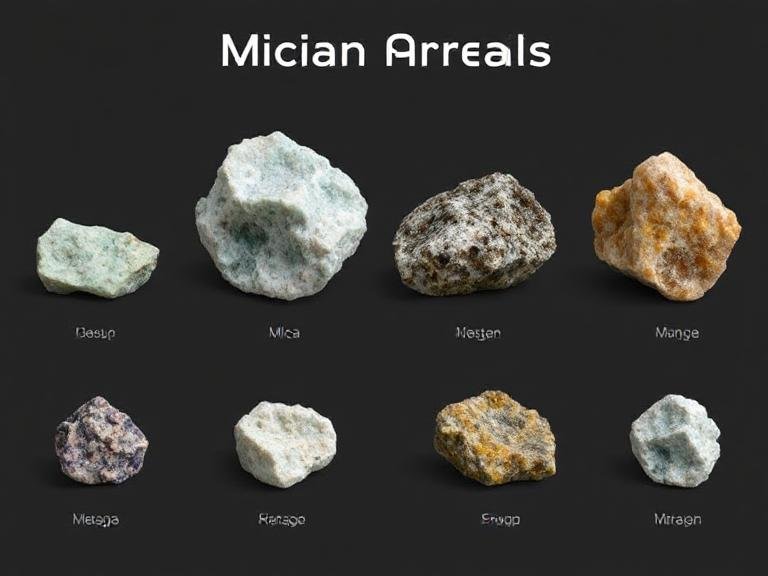
Mica ore, a mineral sensitive to moisture absorption, requires meticulous route planning during transportation to prevent quality degradation. Humidity exposure can lead to clumping, reduced electrical insulation properties, and even chemical reactions that compromise the material’s structural integrity. This guide outlines strategies for selecting dry transport routes based on geological, climatic, and logistical factors.
Climate-Driven Route Assessment
Regional Humidity Patterns
Analyze historical weather data to identify areas with persistent high humidity or frequent precipitation. For instance, coastal regions and valleys prone to fog formation should be avoided during humid seasons. In regions like eastern China, where annual rainfall exceeds 1,500mm in some areas, transport schedules must align with dry weather windows. Use meteorological databases to map humidity hotspots and prioritize routes through arid plateaus or inland areas with lower relative humidity.
Seasonal Variations
Adjust transport timing based on seasonal humidity cycles. Monsoon regions, such as Southeast Asia, experience sharp humidity increases from June to September. During these periods, shift operations to early mornings or late evenings when dew points are lower. In temperate zones, spring thaw periods can elevate ground moisture levels, necessitating route diversions around saturated soils.
Geological and Topographical Considerations
Elevation and Drainage
Higher elevations typically exhibit lower humidity due to reduced air pressure and temperature-driven moisture condensation. Prioritize mountain passes or elevated highways where possible. For example, routes through the Andes or Rocky Mountains benefit from drier microclimates compared to lowland valleys. Ensure roads have adequate drainage systems to prevent water accumulation, which can increase local humidity through evaporation.
Soil and Vegetation Types
Avoid routes through swampy or forested areas, as dense vegetation retains moisture and raises ambient humidity. Opt for routes with sandy or rocky terrain, which drain quickly and resist water retention. In regions like the Australian Outback, unpaved roads through desert scrub offer superior moisture control compared to paved highways through humid eucalyptus forests.
Infrastructure and Logistical Optimization
Road Surface Quality
Paved roads with proper curbing and drainage reduce dust generation and moisture retention compared to unpaved surfaces. However, poorly maintained asphalt roads may develop cracks that trap water, increasing local humidity. Conduct regular inspections to identify and repair water-retention points. In remote areas, consider using all-weather gravel roads with geotextile underlays to enhance drainage.
Alternative Transport Modes
For ultra-sensitive mica grades, consider rail transport, which offers better climate control through enclosed containers. Rail networks often bypass congested urban areas with higher pollution-related humidity. In regions like the European Alps, dedicated mineral rail lines provide direct, elevation-optimized routes with minimal humidity exposure. When combining road and rail, design intermodal terminals in dry zones to minimize transfer-related moisture risks.
Real-Time Monitoring and Adaptive Routing
IoT-Enabled Humidity Sensors
Equip transport vehicles with wireless hygrometers to continuously monitor cargo compartment conditions. Set threshold alerts at 55% relative humidity to trigger route adjustments. For example, if a truck entering a humid region triggers an alert, the system can automatically redirect it to a parallel dry route using GPS navigation updates. Pair sensors with temperature monitors to account for dew point calculations, preventing condensation risks.
Dynamic Routing Platforms
Integrate weather forecasting APIs with fleet management software to enable proactive route changes. Platforms like Google Maps’ traffic layer can be enhanced with humidity overlay data, showing real-time moisture risk zones. During sudden weather shifts, such as unexpected rainstorms, the system can reroute vehicles to the nearest dry storage facility or adjust speed to minimize exposure time in high-risk areas.
Case Study: Anhui Province Mica Transport Optimization
In eastern China’s Anhui Province, mica miners faced challenges transporting ore through the Yangtze River Delta’s humid climate. By analyzing 10 years of meteorological data, they identified that northwest-facing routes through the Dabie Mountains had 30% lower average humidity than coastal paths. Implementing dynamic routing based on real-time humidity feeds reduced cargo rejection rates due to moisture damage from 12% to 3% within six months. The solution involved partnering with local meteorological bureaus for hyperlocal weather predictions and training drivers in moisture-aware driving techniques, such as avoiding low-lying areas during dawn when dew formation peaks.
Long-Term Infrastructure Investments
Humidity-Controlled Storage Hubs
Establish regional distribution centers equipped with dehumidification systems in strategic dry zones. These hubs can act as transshipment points where mica is temporarily stored under controlled conditions before onward transport. For example, a facility in China’s Gansu Province, with annual precipitation below 400mm, serves as a key node for northwest-bound mica shipments, ensuring minimal humidity exposure during long-haul journeys to coastal manufacturing centers.
Green Transport Corridors
Collaborate with governments to develop dedicated mineral transport corridors with optimized drainage and vegetation management. In Brazil’s Minas Gerais state, mica producers worked with authorities to create elevated highways through the Serra do Espinhaço mountains, reducing transport distances by 40% while cutting humidity exposure by half compared to traditional valley routes. These corridors incorporate permeable pavements and solar-powered drainage pumps to maintain dry conditions year-round.
By integrating climate science, geospatial analysis, and real-time technology, mica transporters can significantly mitigate humidity risks without compromising efficiency. The key lies in treating route planning as a dynamic, data-driven process rather than a static logistical task, ensuring that every mile traveled minimizes moisture exposure to preserve the mineral’s critical properties.