
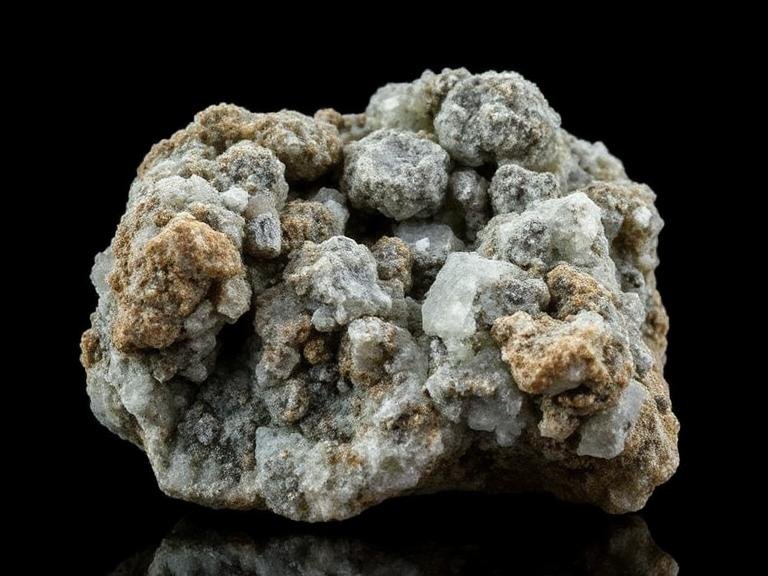
Protecting Mica Sheets from Surface Scratches During Storage: Covering and Safeguarding Techniques
Mica sheets, valued for their excellent electrical insulation, heat resistance, and mechanical strength, are widely used in electrical appliances, electronics, and high – temperature industrial applications. However, their relatively soft surface makes them susceptible to scratches during storage, which can compromise their performance and aesthetic appeal. Implementing proper covering and protection methods is crucial to maintaining the quality of mica sheets. Here are some effective strategies.
Understanding the Risk of Surface Scratches
Causes of Scratches
Mica sheets can get scratched due to various factors during storage. One common cause is contact with rough or abrasive surfaces. When mica sheets are placed directly on concrete floors, wooden pallets with splinters, or metal racks with sharp edges, the friction and pressure can lead to surface damage. Additionally, improper handling during loading and unloading, such as dragging or dropping the sheets, can also result in scratches.
Impact of Scratches
Surface scratches on mica sheets can have significant consequences. In electrical applications, scratches can create pathways for electrical current leakage, reducing the insulation performance of the sheets. In high – temperature environments, scratches can act as stress concentration points, leading to cracking or premature failure of the mica sheets. Moreover, scratches can affect the appearance of the sheets, making them less suitable for applications where aesthetics are important.
Selecting Appropriate Covering Materials
Soft and Non – Abrasive Fabrics
Using soft and non – abrasive fabrics is an effective way to protect mica sheets from scratches. Cotton or polyester fabrics are good choices as they are gentle on the surface of the mica. These fabrics can be cut into sheets of the appropriate size and placed between each layer of mica sheets during storage. The fabric acts as a cushion, reducing the friction between the sheets and preventing direct contact with rough surfaces.
Bubble Wrap
Bubble wrap is another excellent covering material for mica sheets. The air – filled bubbles provide a high level of cushioning and shock absorption. When wrapped around the mica sheets, bubble wrap can protect them from impacts and scratches during handling and storage. It is important to choose bubble wrap with an appropriate bubble size; larger bubbles offer better protection for heavier or more fragile mica sheets.
Foam Sheets
Foam sheets, such as those made of polyethylene or polyurethane foam, can also be used to cover mica sheets. These foams are lightweight, flexible, and have good shock – absorbing properties. They can be easily cut to fit the dimensions of the mica sheets and placed on top or between them. Foam sheets can effectively prevent scratches caused by contact with other objects or surfaces during storage.
Implementing Proper Covering Techniques
Layer – by – Layer Covering
When storing multiple mica sheets, a layer – by – layer covering approach is recommended. Start by placing a layer of the chosen covering material, such as fabric, bubble wrap, or foam sheet, at the bottom of the storage container or on the storage surface. Then, place the first mica sheet on top of the covering material. Add another layer of the covering material on top of the first mica sheet before placing the next one. Repeat this process until all the mica sheets are stacked, ensuring that each sheet is separated and protected by the covering material.
Full Surface Coverage
For added protection, it is advisable to cover the entire stack of mica sheets with an additional layer of the covering material. This can be done by wrapping the stack with a large piece of fabric, bubble wrap, or foam sheet. Secure the covering in place using tape or straps to prevent it from coming loose during storage or handling. Full surface coverage helps to protect the edges and corners of the mica sheets, which are more vulnerable to scratches.
Proper Handling of Covered Sheets
When moving or handling the covered mica sheets, it is important to do so with care. Lift the stack gently, avoiding any sudden movements or drops that could cause the covering material to shift or the mica sheets to collide with each other. If using a forklift or pallet jack, ensure that the forks or pallets are clean and free of sharp edges that could damage the covering or the mica sheets. Additionally, avoid dragging the covered stack across the floor, as this can cause abrasion and scratches.
Ensuring a Safe Storage Environment
Clean and Smooth Storage Surface
The storage surface should be clean and smooth to minimize the risk of scratches. Before placing the covered mica sheets, sweep or vacuum the area to remove any dust, debris, or small particles that could get trapped between the sheets and the covering material. If the storage surface is rough or uneven, consider using a layer of cardboard or a smooth mat underneath the first layer of covering material to create a more even base.
Avoiding Contact with Sharp Objects
Keep the stored mica sheets away from sharp objects, such as tools, metal rods, or broken glass. These objects can easily puncture the covering material and scratch the surface of the mica sheets. Designate a specific storage area for mica sheets that is separate from areas where sharp objects are commonly used or stored.
Regular Inspection
Regularly inspect the covered mica sheets during storage to ensure that the covering material is intact and the sheets are in good condition. Check for any signs of damage to the covering, such as tears or punctures, and replace it immediately if necessary. Also, look for any scratches on the surface of the mica sheets, even if they are covered. If scratches are detected, assess the severity and take appropriate action, such as re – covering the sheets or using them for less critical applications.
By understanding the risk of surface scratches, selecting appropriate covering materials, implementing proper covering techniques, and ensuring a safe storage environment, you can effectively protect mica sheets from damage during storage. These measures will help to maintain the quality and performance of the mica sheets, ensuring their suitability for various industrial applications.