
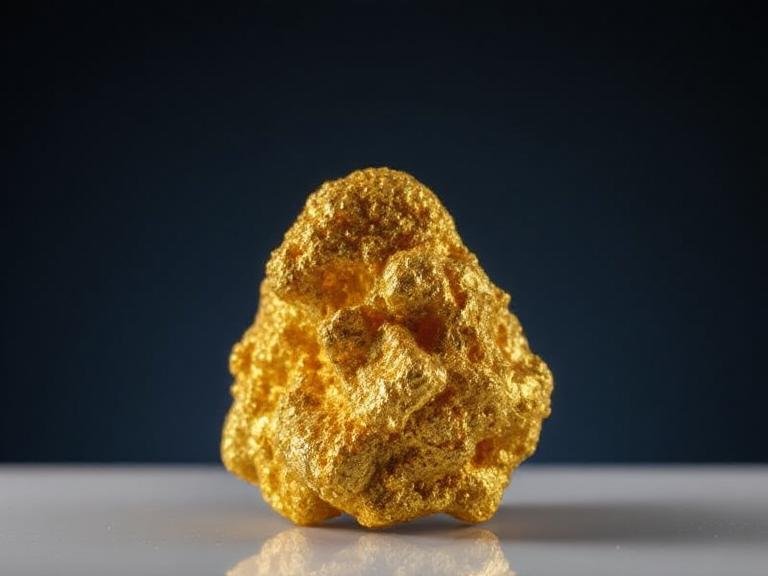
Protective Measures for Preventing Component Loss During Lepidolite Ore Storage
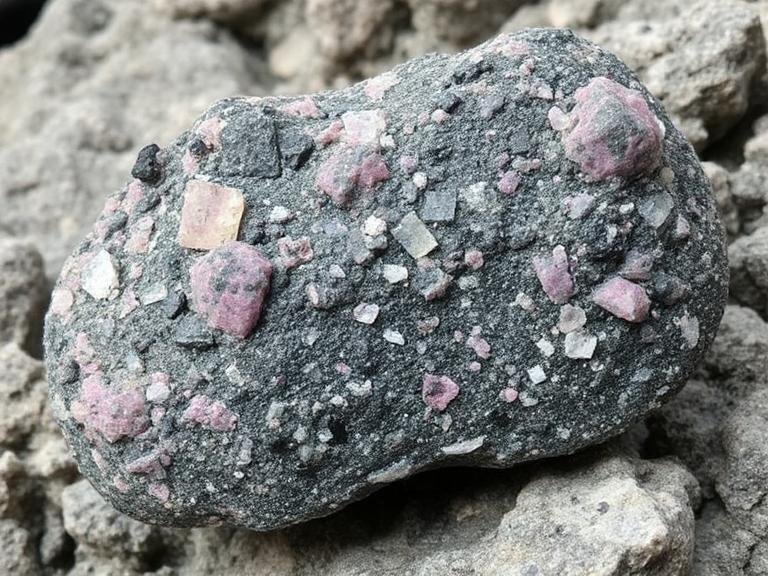
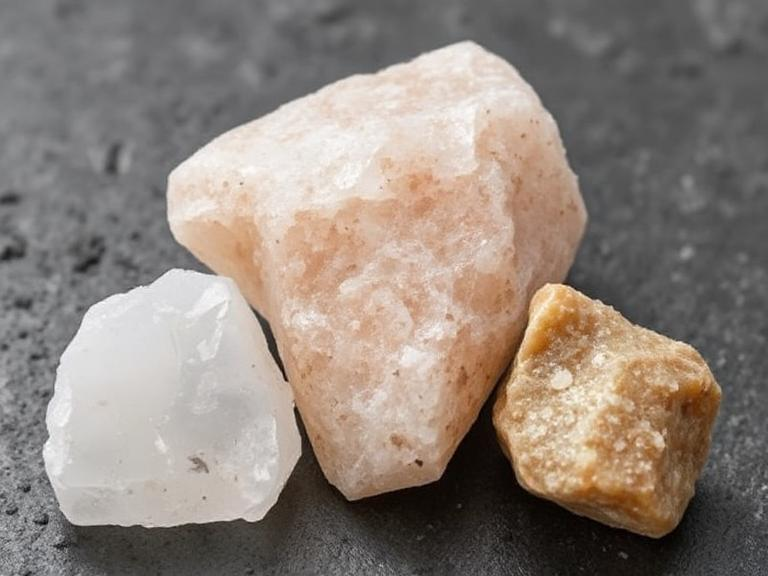
Lepidolite ore, a vital lithium-bearing mineral, is widely used in the production of lithium batteries, ceramics, and other high-tech products. However, improper storage conditions can lead to the loss of its valuable components, affecting its quality and economic value. This article outlines several key measures to prevent component loss during lepidolite ore storage.
Temperature and Humidity Control
Optimal Temperature Range
Maintaining an appropriate temperature range is crucial for preserving the integrity of lepidolite ore. High temperatures can accelerate chemical reactions within the ore, potentially altering its composition and reducing the concentration of valuable elements like lithium. Conversely, extremely low temperatures may cause the ore to become brittle and prone to cracking, leading to dust generation and component loss. The recommended storage temperature for lepidolite ore is between 15°C and 25°C, which helps to minimize these risks.
Humidity Management
Humidity is another critical factor affecting the storage quality of lepidolite ore. Excessive moisture can cause the ore to absorb water, leading to swelling, reduced interlayer adhesion, and even peeling or breakage. Moreover, high humidity environments can promote the growth of microorganisms, which may further degrade the ore’s quality. To prevent these issues, the relative humidity in the storage area should be kept below 50%. Regular monitoring and adjustment of humidity levels, using dehumidifiers or ventilation systems if necessary, are essential to maintain a stable storage environment.
Dust Prevention and Cleanliness
Clean Storage Facilities
The storage area for lepidolite ore should be kept clean and well-maintained to prevent dust accumulation. Regular sweeping and vacuuming can help to remove dust particles from the air and surfaces, reducing the risk of contamination. Additionally, installing high-efficiency air filtration systems can further improve air quality by capturing suspended particles. Sealed doors and windows should be used to minimize the entry of external dust, and dust-proof curtains can be installed in areas where dust control is particularly challenging.
Proper Packaging
Packaging plays a vital role in protecting lepidolite ore from dust and moisture. The ore should be packaged in sealed, dust-proof bags before storage to prevent contamination. These bags should be made of materials with good barrier properties, such as aluminum foil or plastic composite films, which can effectively block the penetration of water vapor and dust. The packaging should also be sealed tightly to ensure that the ore remains protected during storage and handling. If the ore is stored for an extended period, the packaging should be inspected regularly for signs of damage or leakage, and any compromised packaging should be replaced immediately.
Regular Inspection and Maintenance
Regular inspections are necessary to ensure that the packaging remains intact and that the storage environment remains clean and dry. The packaging should be checked for any signs of punctures, tears, or other damage that could allow dust or moisture to enter. If any issues are found, the packaging should be repaired or replaced promptly. Additionally, the storage area should be inspected for dust accumulation, and appropriate cleaning measures should be taken as needed. This includes cleaning shelves, packaging materials, and any equipment used for handling the ore to prevent cross-contamination.
Component Stabilization and Monitoring
Use of Stabilizers
In some cases, the use of stabilizers can help to prevent the loss of valuable components during lepidolite ore storage. For example, adding appropriate amounts of drying agents, such as silica gel or activated alumina, to the packaging can help to absorb any moisture that may be present, reducing the risk of component degradation. However, it is important to ensure that the stabilizers do not come into direct contact with the ore, as this could introduce impurities or affect the ore’s quality. The stabilizers should be placed in separate compartments within the packaging or used in conjunction with appropriate barriers to prevent direct contact.
Regular Component Analysis
Regular analysis of the lepidolite ore’s component composition is essential to monitor its quality and detect any potential issues early on. This can be done by taking samples from the stored ore at regular intervals and analyzing them using appropriate analytical techniques, such as X-ray fluorescence (XRF) or inductively coupled plasma mass spectrometry (ICP-MS). These techniques can provide accurate information about the concentration of lithium and other valuable elements in the ore, allowing for timely adjustments to the storage conditions or processing parameters if necessary. By monitoring the component composition regularly, potential quality issues can be identified and addressed before they lead to significant component loss or economic losses.
In conclusion, preventing component loss during lepidolite ore storage requires a combination of appropriate temperature and humidity control, effective dust prevention and cleanliness measures, component stabilization techniques, and regular monitoring and analysis. By implementing these measures, the quality and economic value of lepidolite ore can be preserved, ensuring its suitability for use in various high-tech applications.