
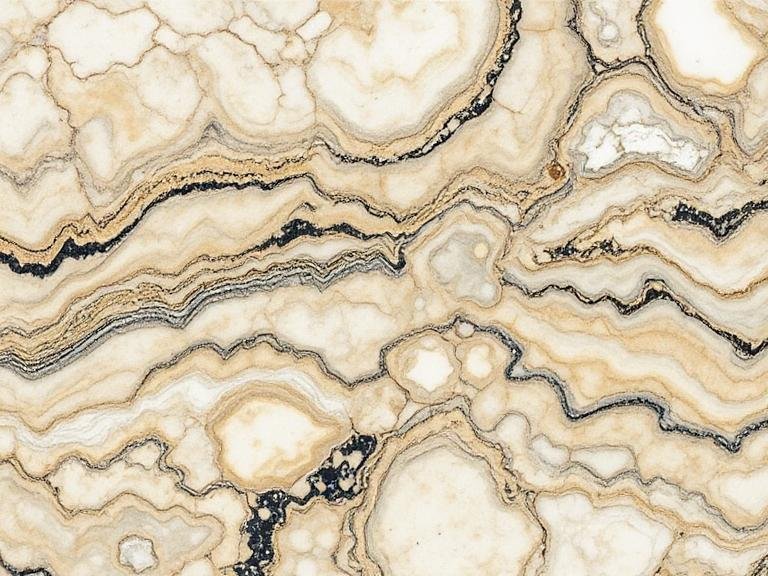
Tips for Storing Mica Sheets in Oxidation – Proof Sealed Containers
Mica sheets, with their unique electrical, thermal, and mechanical properties, are widely used in various industries such as electronics, insulation, and cosmetics. However, to maintain their high – quality performance over time, proper storage is crucial, especially when it comes to preventing oxidation. Using oxidation – proof sealed containers is an effective way to store mica sheets, and here are some valuable tips.
Understanding the Oxidation Risk for Mica Sheets
Factors Contributing to Oxidation
Oxidation of mica sheets can occur due to several environmental factors. One of the main culprits is the presence of oxygen in the air. When mica sheets are exposed to oxygen over an extended period, chemical reactions can take place on their surface, leading to changes in their physical and chemical properties.
Humidity is another significant factor. High levels of moisture in the air can accelerate the oxidation process. Water molecules can interact with the mica surface, facilitating the entry of oxygen and promoting oxidation reactions. Additionally, exposure to certain pollutants in the air, such as sulfur compounds or acidic gases, can also contribute to the oxidation of mica sheets.
Impact of Oxidation on Mica Sheets
The consequences of oxidation on mica sheets can be detrimental. Oxidized mica sheets may experience a decrease in their electrical insulation properties. This can be a major issue in electronic applications where high – performance insulation is required.
Physically, oxidation can cause the surface of the mica sheets to become rough and discolored. It may also lead to a reduction in the mechanical strength of the sheets, making them more prone to breakage during handling or use. In some cases, oxidation can even alter the thermal conductivity of mica, affecting its performance in heat – related applications.
Selecting the Right Sealed Containers
Material Considerations
When choosing sealed containers for storing mica sheets, the material of the container plays a vital role. Glass containers are a popular choice as they are non – reactive and do not allow oxygen or moisture to penetrate easily. They provide excellent visibility, allowing you to inspect the mica sheets without opening the container.
Metal containers, such as those made of stainless steel, can also be suitable. Stainless steel is corrosion – resistant and offers good protection against external elements. However, it is important to ensure that the metal container has an airtight seal to prevent the entry of oxygen and moisture.
Plastic containers can be used as well, but careful selection is necessary. Some plastics may be permeable to oxygen and moisture over time, which could lead to oxidation of the mica sheets. Look for high – quality, airtight plastic containers that are specifically designed for long – term storage.
Size and Shape
The size and shape of the sealed container should be appropriate for the quantity and size of the mica sheets. The container should be large enough to accommodate the sheets without excessive bending or folding, which could cause damage. At the same time, it should not be too large, as this can lead to unnecessary air space inside the container, increasing the risk of oxidation.
Consider the shape of the container based on the shape of the mica sheets. For flat mica sheets, rectangular or square containers may be more suitable, while cylindrical containers could be used for rolled – up mica sheets. The goal is to ensure a snug fit that minimizes movement of the sheets inside the container.
Preparing Mica Sheets for Storage
Cleaning the Sheets
Before placing mica sheets in the sealed containers, it is essential to clean them thoroughly. Dust, dirt, and other contaminants on the surface of the sheets can accelerate the oxidation process. Use a soft, lint – free cloth to gently wipe the sheets and remove any visible debris.
For more stubborn dirt or stains, you can use a mild cleaning solution. However, make sure the solution is compatible with mica and does not cause any chemical reactions. After cleaning, allow the sheets to dry completely in a clean, well – ventilated area to prevent the introduction of moisture into the sealed containers.
Handling with Care
Mica sheets are relatively fragile and can be easily damaged during handling. When preparing them for storage, use clean, dry hands or wear gloves to avoid transferring oils or dirt from your hands to the sheets. Avoid touching the surface of the sheets as much as possible, and handle them by the edges to minimize the risk of scratches or breaks.
If you need to stack the mica sheets, place a piece of clean, non – abrasive material, such as paper or plastic film, between each sheet to prevent them from sticking together or getting scratched.
Proper Storage Conditions Inside the Containers
Desiccant Use
To further reduce the risk of oxidation due to moisture, consider using desiccants inside the sealed containers. Desiccants are substances that absorb moisture from the surrounding environment. Silica gel is a commonly used desiccant that is available in small packets.
Place a few desiccant packets inside the container with the mica sheets, making sure they are evenly distributed. The desiccants will help maintain a low – humidity environment inside the container, slowing down the oxidation process. Remember to check and replace the desiccants periodically, especially if the container has been opened multiple times.
Creating an Inert Atmosphere (Optional)
For extremely sensitive mica sheets or long – term storage, creating an inert atmosphere inside the container can be beneficial. This can be achieved by using gases such as nitrogen or argon, which are non – reactive and do not support oxidation.
To create an inert atmosphere, first, place the cleaned and prepared mica sheets in the sealed container. Then, use a specialized gas – filling system to introduce the inert gas into the container while displacing the air. Seal the container tightly to prevent the gas from escaping. This method provides the highest level of protection against oxidation but requires specialized equipment and may be more suitable for industrial or research settings.
By following these tips for storing mica sheets in oxidation – proof sealed containers, you can significantly extend their shelf life and maintain their high – quality performance for various applications.