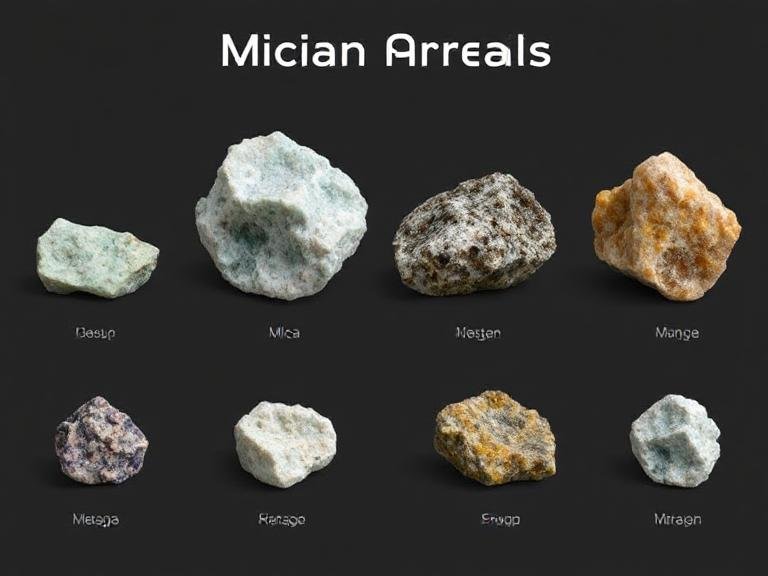


Comprehensive Guidelines for Ventilation and Dehumidification in Mica Ore Warehouse Storage
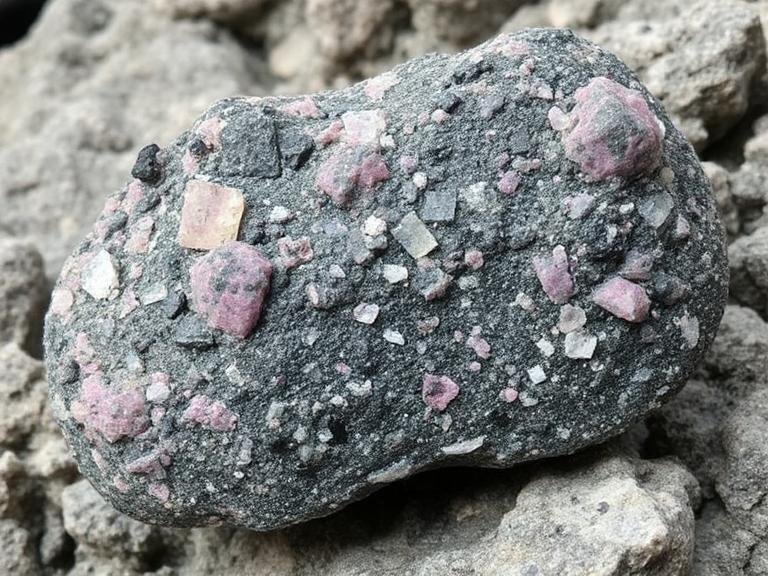
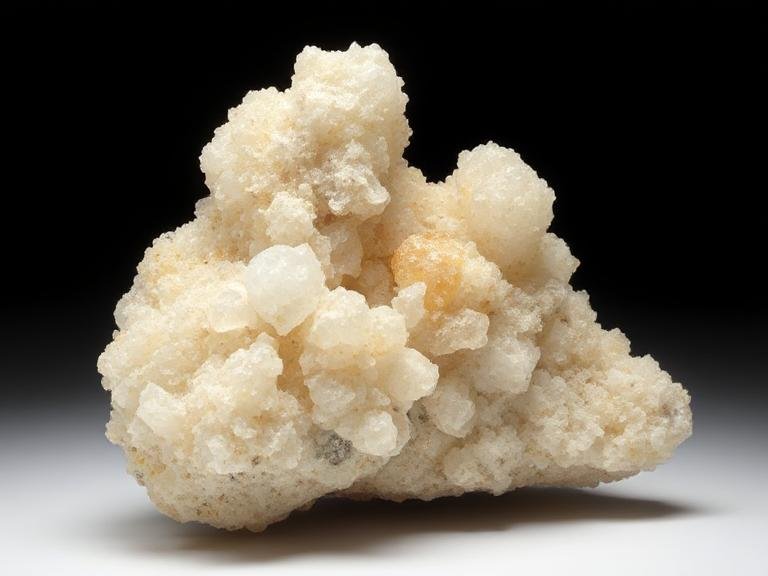
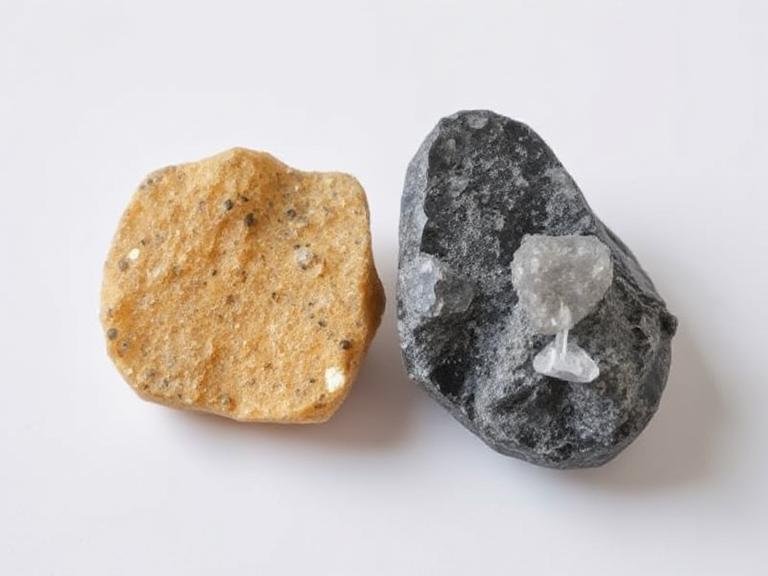
Mica ore, a valuable mineral resource, is widely used in various industries such as electronics, construction, and cosmetics. Proper storage conditions are crucial to maintain its quality and prevent degradation. Among these conditions, ventilation and dehumidification play a vital role. This article provides detailed guidelines for effective ventilation and dehumidification in mica ore warehouse storage.
Importance of Proper Ventilation in Mica Ore Storage
Ventilation is essential in mica ore storage to maintain air circulation and prevent the buildup of harmful gases and moisture. Without adequate ventilation, the warehouse environment can become stagnant, leading to a range of issues that can affect the quality of the stored mica ore.
Preventing Gas Accumulation
Mica ore, like many other minerals, can release small amounts of gases during storage, especially if it contains impurities or has been recently mined. These gases, such as sulfur dioxide or carbon dioxide, can accumulate in a poorly ventilated warehouse, creating an unsafe working environment and potentially causing chemical reactions that degrade the mica ore. Proper ventilation ensures that these gases are continuously diluted and removed from the warehouse, maintaining a safe and stable atmosphere.
Controlling Temperature and Humidity
Ventilation also helps in regulating the temperature and humidity levels within the warehouse. Stagnant air can lead to temperature fluctuations, with hot spots forming in areas where sunlight directly hits or where there is limited air movement. High temperatures can accelerate the oxidation process of mica ore, affecting its color and physical properties. Additionally, poor ventilation can contribute to high humidity levels, as moisture from the air or the mica ore itself becomes trapped. High humidity can cause the mica ore to clump, reducing its flowability and making it more difficult to handle and process.
Effective Ventilation Strategies for Mica Ore Warehouses
Implementing the right ventilation strategies is key to ensuring optimal air circulation in mica ore warehouses. Here are some effective approaches to consider.
Natural Ventilation Methods
Natural ventilation relies on the natural movement of air through openings in the warehouse, such as windows, doors, and vents. To maximize natural ventilation, position the warehouse in a way that takes advantage of prevailing winds. Open windows and doors on opposite sides of the warehouse to create a cross-flow of air, which helps to remove stale air and bring in fresh air. Install adjustable vents on the roof or walls to allow for controlled air intake and exhaust, depending on the weather conditions. Regularly clean and maintain these openings to ensure they are free from obstructions, such as dust or debris, that can impede airflow.
Mechanical Ventilation Systems
In cases where natural ventilation is insufficient, mechanical ventilation systems can be installed to supplement air circulation. Exhaust fans are a common type of mechanical ventilation used in warehouses. These fans are typically mounted on the roof or walls and work by drawing stale air out of the warehouse, creating a negative pressure that pulls fresh air in through other openings. Supply fans, on the other hand, introduce fresh air into the warehouse, helping to maintain a positive pressure and prevent the entry of contaminated air from outside. When installing mechanical ventilation systems, ensure that they are properly sized for the warehouse volume and that they are equipped with filters to remove dust and other particles from the incoming air.
Zoning and Airflow Management
Divide the warehouse into different zones based on the type and quantity of mica ore stored. This allows for more targeted ventilation control, as different zones may have varying ventilation requirements. For example, areas storing large quantities of mica ore or ore with higher moisture content may require more intense ventilation to prevent moisture buildup. Use baffles or partitions to direct airflow within the warehouse, ensuring that all areas receive adequate ventilation. Monitor the airflow patterns regularly using anemometers or smoke tests to identify any areas with poor ventilation and make adjustments as needed.
Dehumidification Techniques for Mica Ore Storage
In addition to ventilation, dehumidification is crucial for maintaining the quality of mica ore during storage. High humidity levels can cause significant damage to the ore, making it essential to implement effective dehumidification techniques.
Understanding Humidity Thresholds
Mica ore is sensitive to moisture, and different types of mica may have varying tolerance levels for humidity. Generally, it is recommended to keep the relative humidity in the warehouse below 60% to prevent issues such as clumping, caking, and chemical degradation. Monitor the humidity levels regularly using hygrometers placed at different locations within the warehouse to get an accurate picture of the moisture conditions.
Using Desiccant Dehumidifiers
Desiccant dehumidifiers are an effective solution for reducing humidity in mica ore warehouses. These dehumidifiers work by passing air over a desiccant material, such as silica gel or activated alumina, which absorbs moisture from the air. The desiccant is then regenerated by heating it, releasing the trapped moisture as water vapor, which is then exhausted outside the warehouse. Desiccant dehumidifiers are particularly useful in low-temperature environments where traditional refrigerant dehumidifiers may be less effective. They can also be used in conjunction with ventilation systems to provide comprehensive humidity control.
Implementing Climate Control Systems
For larger mica ore warehouses or those storing high-value ore, consider installing a climate control system that combines ventilation and dehumidification functions. These systems use sensors to monitor temperature and humidity levels continuously and adjust the operation of fans, dehumidifiers, and heating or cooling elements accordingly. Climate control systems provide precise control over the warehouse environment, ensuring that the mica ore is stored under optimal conditions at all times. However, they can be more complex and expensive to install and maintain compared to standalone ventilation or dehumidification solutions.
By following these ventilation and dehumidification guidelines, mica ore warehouse operators can create a storage environment that preserves the quality and integrity of the ore, reducing the risk of degradation and ensuring its suitability for various industrial applications.