

Optimal Proportion of Mica Powder in Chemical Pipeline Anticorrosive Coatings
Chemical pipelines are exposed to harsh environments, including corrosive chemicals, high temperatures, and mechanical stress. To ensure long-term durability and safety, selecting the right anticorrosive coating is crucial. Mica powder, with its unique physical and chemical properties, has become a popular choice for enhancing the performance of anticorrosive coatings in chemical pipelines. This article explores the optimal proportion of mica powder in such coatings, focusing on its benefits and application considerations.
Enhanced Barrier Properties Through Layered Structure
Mica powder consists of thin, plate-like particles with a high aspect ratio (diameter-to-thickness ratio), typically ranging from 80 to 120. This layered structure allows mica particles to align parallel to each other within the coating matrix, creating a dense, tortuous path for corrosive substances. This physical barrier significantly reduces the penetration rate of water, oxygen, and chemicals, thereby extending the service life of the coating.
For chemical pipelines, where corrosion resistance is paramount, incorporating mica powder into the coating formulation can enhance its barrier properties by up to 60-80%. This means that even in highly aggressive environments, the coating can maintain its integrity for extended periods, protecting the underlying pipeline from corrosion.
Improved Mechanical Strength and Wear Resistance
In addition to its barrier properties, mica powder also contributes to the mechanical strength and wear resistance of anticorrosive coatings. The plate-like structure of mica particles acts as a reinforcing agent, distributing stress evenly across the coating surface and preventing crack propagation. This is particularly important in chemical pipelines, which are subject to frequent vibrations and mechanical impacts.
By adding mica powder to the coating formulation, manufacturers can increase the coating’s hardness and abrasion resistance, making it more suitable for applications where the pipeline is exposed to abrasive particles or frequent contact with other objects. This not only enhances the durability of the coating but also reduces maintenance costs and downtime.
Optimal Proportion of Mica Powder in Coating Formulations
The optimal proportion of mica powder in chemical pipeline anticorrosive coatings depends on several factors, including the type of coating, the specific corrosive environment, and the desired performance characteristics. However, based on extensive research and practical applications, a general guideline can be provided.
For epoxy-based anticorrosive coatings, which are widely used in chemical pipelines due to their excellent chemical resistance and adhesion properties, a mica powder content of 10-20% by weight is often recommended. This proportion provides a good balance between barrier properties, mechanical strength, and coating viscosity. At lower concentrations, the benefits of mica powder may be limited, while at higher concentrations, the coating may become too viscous, affecting its application and curing properties.
In polyurethane-based coatings, which offer superior flexibility and impact resistance, a slightly lower mica powder content of 5-15% by weight may be sufficient. This is because polyurethane resins already have good inherent properties, and adding too much mica powder could compromise the coating’s flexibility and adhesion.
Application Considerations and Best Practices
When incorporating mica powder into chemical pipeline anticorrosive coatings, several best practices should be followed to ensure optimal performance:
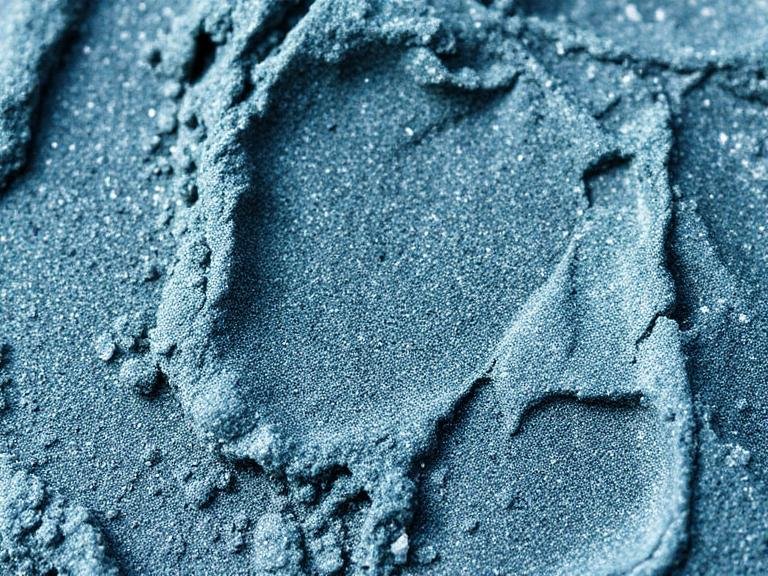
- Particle Size Selection: Choose mica powder with an appropriate particle size distribution. Finer particles (e.g., 325-1500 mesh) are generally preferred for their better dispersion and higher aspect ratio, which contribute to better barrier properties. However, the specific particle size should be selected based on the coating formulation and application method.
- Surface Treatment: Consider surface-treating the mica powder to improve its compatibility with the coating resin. This can enhance dispersion, reduce sedimentation, and improve the overall performance of the coating.
- Mixing and Dispersion: Ensure thorough mixing and dispersion of the mica powder in the coating formulation. Use high-shear mixers or ball mills to achieve uniform distribution of the particles and prevent agglomeration.
- Application Technique: Follow the recommended application technique for the specific coating type. This may include spraying, brushing, or rolling, depending on the pipeline’s size, shape, and accessibility. Ensure that the coating is applied evenly and at the recommended thickness to achieve optimal performance.
- Curing Conditions: Adhere to the recommended curing conditions for the coating formulation. This includes temperature, humidity, and curing time. Proper curing is essential for achieving the desired mechanical properties and corrosion resistance of the coating.
By following these best practices and selecting the optimal proportion of mica powder, manufacturers can develop high-performance anticorrosive coatings for chemical pipelines that offer superior protection against corrosion, mechanical stress, and environmental degradation.