
Key Parameters for Using Mica Powder in High-Temperature Components of Metallurgical Equipment
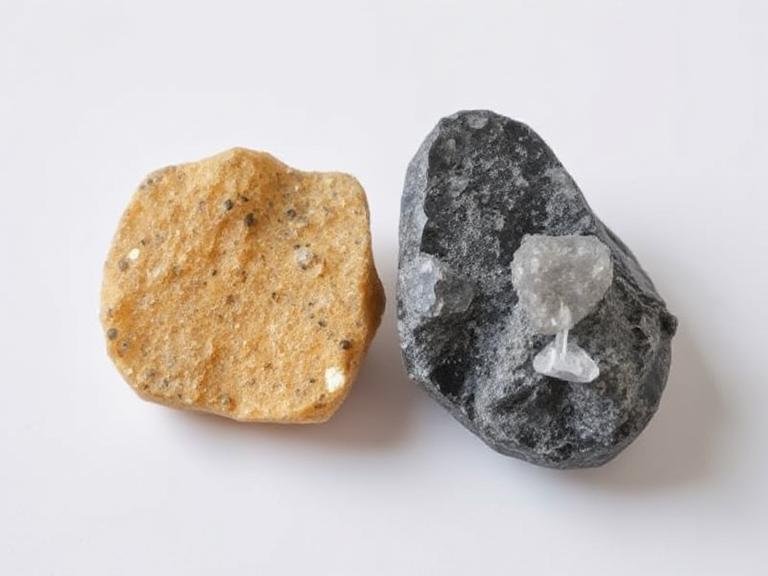
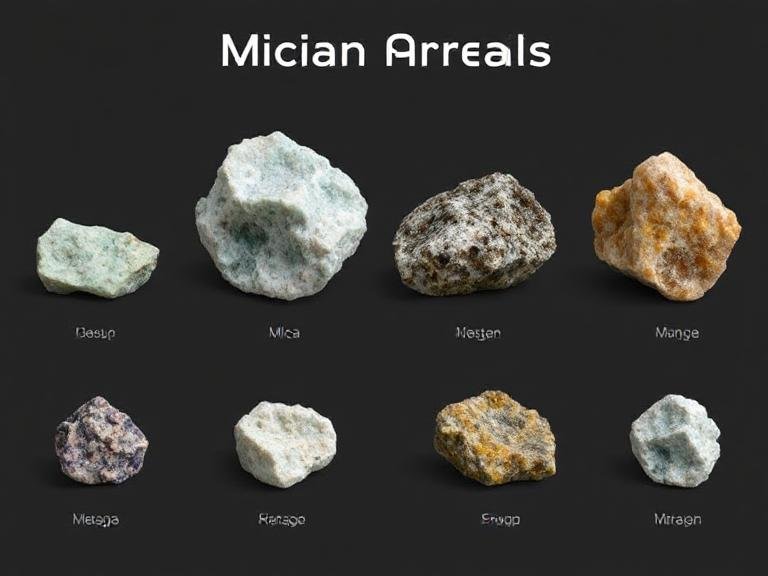
Mica powder, derived from natural or synthetic mica minerals, is widely used to enhance the thermal and electrical resistance of components in metallurgical equipment. Its ability to withstand extreme temperatures, resist chemical corrosion, and maintain structural integrity makes it ideal for applications like furnace linings, crucibles, and heat shields. Below are critical parameters for selecting and applying mica powder in high-temperature industrial settings.
Thermal Performance Specifications
The primary function of mica powder in metallurgical equipment is to provide thermal insulation and stability. Key parameters include:
- Maximum Operating Temperature: Mica powder can typically endure continuous temperatures up to 1,000–1,200°C, depending on its grade. For intermittent exposure, some variants withstand short-term spikes to 1,500°C.
- Thermal Conductivity: Low thermal conductivity (0.04–0.1 W/m·K) minimizes heat transfer, protecting surrounding structures from overheating. This is crucial for furnace walls and exhaust systems.
- Thermal Shock Resistance: Mica’s crystalline structure allows it to expand and contract uniformly under rapid temperature changes, reducing cracking risks in components like ladle linings or tapping spouts.
Chemical and Mechanical Compatibility
Metallurgical processes involve exposure to molten metals, slag, and corrosive gases. Mica powder must resist these conditions without degrading:
- Chemical Inertness: Mica is non-reactive with most metals (e.g., iron, aluminum, copper) and acidic/alkaline slags, preventing contamination of molten materials.
- Abrasion Resistance: When mixed with binders or refractory aggregates, mica powder improves the wear resistance of components exposed to flowing molten metal or solid particles.
- Mechanical Strength: Mica’s layered structure enhances the flexural strength of refractory composites, ensuring durability in high-stress areas like furnace arches or door seals.
Application-Specific Formulation Guidelines
The effectiveness of mica powder depends on how it’s incorporated into refractory materials or coatings. Key considerations include:
- Particle Size Distribution: Finer mica powders (10–50 microns) improve adhesion in coatings, while coarser grades (100–300 microns) enhance thermal insulation in bulk refractories.
- Binder Selection: Mica powder is often mixed with inorganic binders (e.g., alumina cement, phosphate solutions) or organic resins (e.g., epoxy, silicone) to form durable composites. The binder must match the operating temperature range.
- Additive Ratios: For refractory castables, mica powder typically constitutes 5–15% by weight to balance thermal performance and workability. Higher ratios may reduce flowability during installation.
Processing and Installation Parameters
Proper handling ensures mica powder retains its properties during mixing, shaping, and curing:
- Mixing Conditions: Blend mica powder with other aggregates (e.g., alumina, silica) at low speeds to avoid breaking its flakes. Add water or binders gradually to achieve uniform consistency.
- Curing Temperature: For cement-bound refractories, cure at 100–200°C to harden the matrix without damaging the mica. Resin-based systems may require ambient curing or low-heat post-treatment.
- Surface Preparation: Clean and roughen substrate surfaces before applying mica-based coatings to improve adhesion. Remove loose debris or old refractory material to prevent delamination.
Performance in Specific Metallurgical Processes
Different applications demand tailored mica powder formulations:
- Steel Production: In electric arc furnaces, mica-lined tapping spouts resist thermal shock and erosion from molten steel. Mica coatings on water-cooled panels prevent heat damage to structural supports.
- Non-Ferrous Metallurgy: For aluminum or copper smelting, mica-reinforced crucibles withstand repeated heating/cooling cycles and resist reaction with molten metals.
- Glass Manufacturing: Mica powder in regenerator linings improves energy efficiency by reducing heat loss in glass furnaces, where temperatures exceed 1,400°C.
Long-Term Durability and Maintenance
To maximize the lifespan of mica-enhanced components:
- Thermal Cycling Tests: Simulate operating conditions to identify potential failure points, such as spalling or cracking, before full-scale deployment.
- Inspection Intervals: Regularly check for signs of wear, such as thinning coatings or surface pitting, especially in high-traffic areas like furnace doors or ladle nozzles.
- Repair Protocols: Patch damaged sections with mica-based mortar or spray coatings, ensuring compatibility with the original material. Avoid abrupt temperature changes during repairs.
By adhering to these parameters, engineers and maintenance teams can leverage mica powder’s unique properties to enhance the reliability and efficiency of metallurgical equipment. Proper selection, formulation, and installation minimize downtime and extend service life in demanding industrial environments.