
Mixing Ratios for Mica Powder in Wax Seal Decorations: A Practical Guide
Wax seal decorations, often used for invitations, art projects, or packaging, gain a shimmering, metallic finish when mica powder is added. This natural mineral powder enhances the visual appeal of wax with its pearlescent or sparkling effects. However, achieving the right balance between mica and wax requires understanding how ratios affect texture, opacity, and adhesion. Below are key considerations for mixing mica powder into wax for decorative purposes.
Understanding Mica Powder Properties
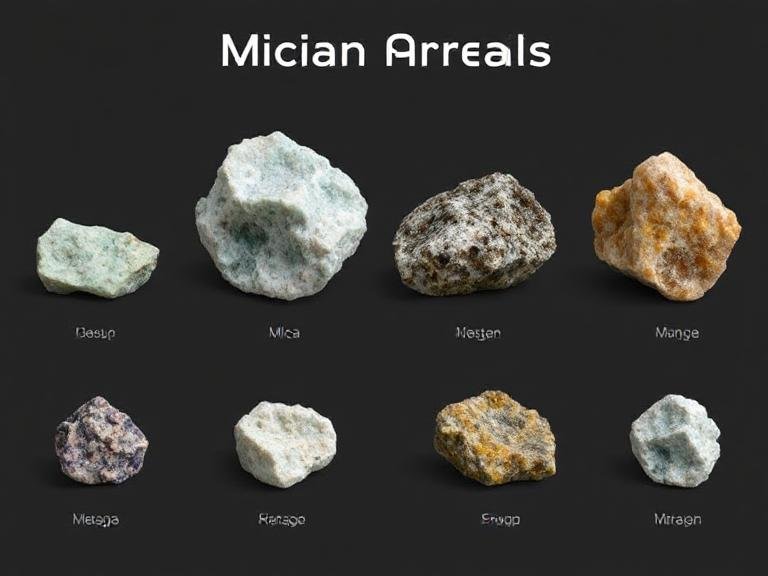
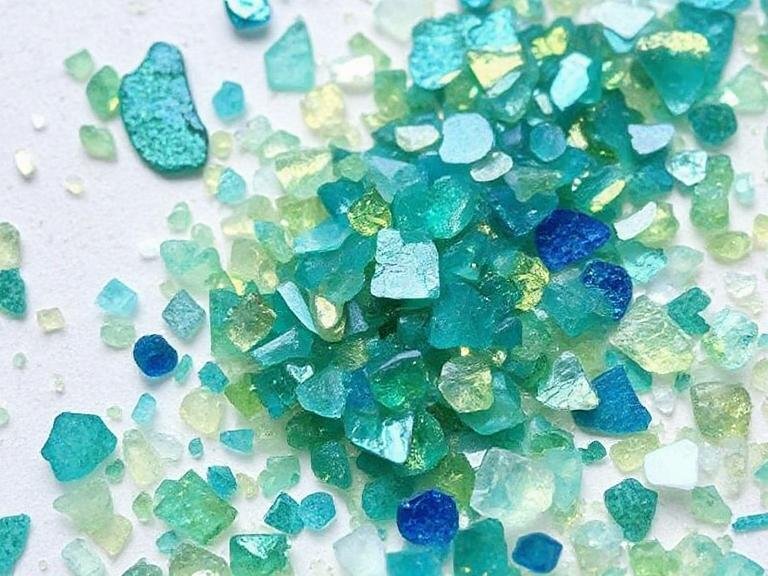
Mica powder comes in varying particle sizes and finishes, from fine pearlescent powders to coarse glitter-like flakes. The choice of mica type influences the final appearance of the wax seal:
- Particle Size: Finer mica (e.g., 10–60 microns) creates a smooth, subtle sheen, ideal for elegant seals. Coarser mica (100+ microns) adds visible sparkle but may require more wax to bind properly.
- Color and Luster: Mica powders range from silver and gold to iridescent hues. Lighter colors (e.g., white, pastel) may need higher ratios to achieve vibrancy, while darker shades (e.g., bronze, copper) show up at lower concentrations.
- Purity: High-purity mica without fillers or dyes ensures consistent color and prevents clumping in wax.
Basic Mixing Ratios for Beginners
For those new to working with mica and wax, starting with conservative ratios helps avoid waste or uneven results.
- Light Sheen (1–2% Mica by Weight):
Mix 1–2 grams of mica powder per 100 grams of wax. This creates a faint, elegant shimmer suitable for formal invitations or minimalist designs. The wax remains pliable and easy to stamp. - Medium Sparkle (3–5% Mica by Weight):
Use 3–5 grams of mica per 100 grams of wax for a noticeable but not overwhelming sparkle. This ratio works well for holiday cards or decorative packaging where a touch of glamour is desired. - Bold Glitter (6–10% Mica by Weight):
For highly reflective seals, mix 6–10 grams of mica per 100 grams of wax. This is best for artistic projects or seals meant to stand out, though the wax may become slightly stiffer at higher ratios.
Adjusting Ratios for Wax Type and Effect
The type of wax used (e.g., beeswax, soy wax, paraffin) affects how mica powder behaves. Softer waxes may require lower mica ratios to maintain workability, while harder waxes can tolerate more powder.
- Beeswax:
Beeswax has a natural golden hue that can alter the appearance of mica. Start with 2–3% mica by weight to complement its color. Higher ratios may make the wax brittle, so test small batches first. - Soy Wax:
Soy wax is softer and more flexible, allowing for higher mica ratios (up to 8%) without cracking. Its neutral color lets mica shades shine vividly, making it ideal for custom color blends. - Paraffin Wax:
Paraffin’s smooth texture binds well with mica, but it can become sticky at high temperatures. Limit mica to 5–7% by weight and avoid overheating to prevent clumping.
Techniques for Even Mixing
Proper mixing ensures mica is distributed uniformly throughout the wax, preventing streaks or patchy results.
- Melt Wax First: Heat the wax to its melting point (typically 60–90°C, depending on type) before adding mica. Stir gently with a silicone spatula to avoid introducing air bubbles.
- Gradual Addition: Sprinkle mica powder into the melted wax while stirring continuously. Adding too much at once can cause clumping or uneven color.
- Strain if Necessary: For ultra-smooth finishes, pour the mixed wax through a fine mesh sieve to remove any undissolved mica particles. This step is optional but useful for professional-grade results.
Testing and Troubleshooting
Before committing to a large batch, test small samples to refine the ratio and technique.
- Patchy Color: If the mica appears streaky, the wax may have cooled too quickly. Reheat the mixture and stir longer to ensure full incorporation.
- Cracking or Brittleness: High mica ratios can make wax prone to cracking. Reduce the mica percentage or switch to a softer wax type (e.g., soy instead of beeswax).
- Dull Finish: If the mica doesn’t shine as expected, the particle size may be too fine. Try a coarser grade or increase the ratio slightly.
Creative Applications Beyond Basic Seals
Mica-infused wax isn’t limited to traditional seals. Experiment with these ideas to expand its use:
- Layered Designs: Pour multiple layers of wax in different mica ratios to create depth and dimension. For example, a base layer with 2% mica topped with a 6% mica layer for contrast.
- Embossed Patterns: Use stamps with intricate designs and mix mica into the wax for raised, shimmering details.
- Color Blending: Combine two or more mica powders (e.g., gold and silver) in a single batch for a custom iridescent effect.
By experimenting with ratios, wax types, and mixing techniques, crafters can achieve a wide range of decorative effects with mica powder. Start with small test batches, adjust based on results, and let creativity guide the process.