
Strengthening Plastic Products with Mica Powder: Process and Key Considerations
Understanding the Role of Mica Powder in Plastic Reinforcement
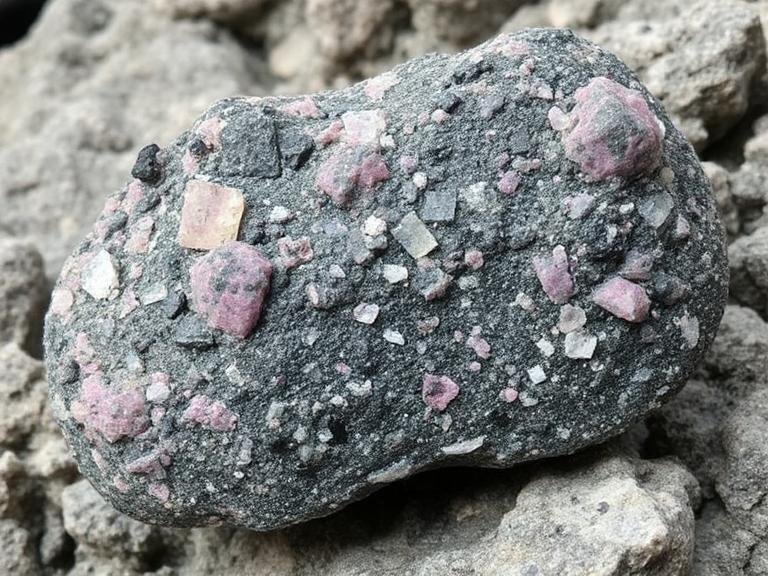
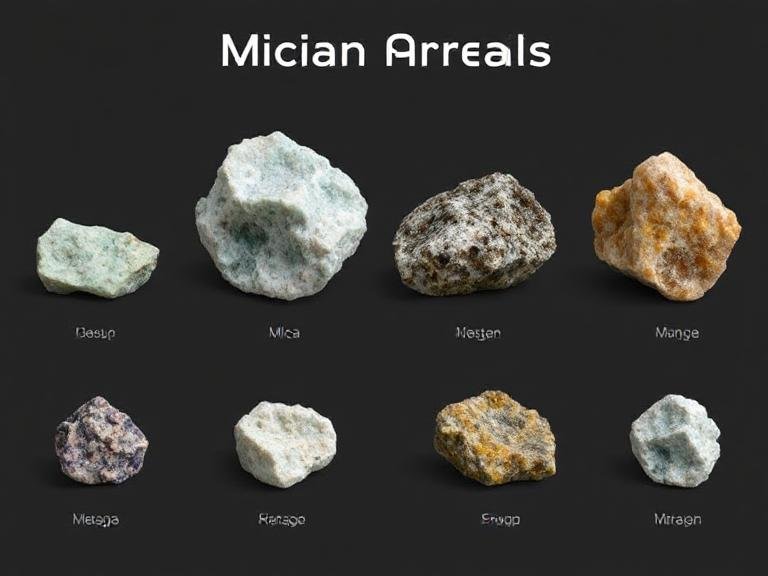
Mica powder, derived from natural mica minerals through specialized processing, exhibits a unique two-dimensional sheet structure. This structure grants it exceptional mechanical properties, thermal stability, and chemical resistance, making it an ideal reinforcing filler for plastics. When incorporated into plastic matrices, mica powder forms a planar reinforcement network that significantly enhances tensile strength, flexural modulus, and impact resistance. Unlike traditional fillers such as talc or calcium carbonate, mica powder minimizes warping and shrinkage while improving dimensional stability, making it particularly valuable in precision molding applications.
Mechanical Enhancement Mechanisms
The planar orientation of mica flakes within plastics creates a barrier against crack propagation, similar to the reinforcing effect of steel rebar in concrete. This mechanism is particularly effective in polyolefins like polypropylene (PP) and engineering plastics such as polyamide (PA) and polybutylene terephthalate (PBT). Studies demonstrate that adding 20-30% mica powder to PA66 can increase tensile strength by over 20% while reducing molding shrinkage by up to 50%. The high aspect ratio (typically 80-120:1) of wet-processed mica powder ensures optimal interfacial adhesion with polymer chains, further enhancing load transfer efficiency.
Thermal Stability Improvement
Mica powder’s inherent heat resistance (withstanding continuous temperatures up to 600°C) makes it indispensable for applications requiring thermal durability. In automotive components exposed to engine heat or electrical enclosures operating at elevated temperatures, mica-reinforced plastics maintain structural integrity where conventional materials would degrade. The material’s low thermal expansion coefficient also minimizes warping during thermal cycling, ensuring consistent performance in demanding environments.
Optimizing the Mica Reinforcement Process
Achieving optimal performance from mica-reinforced plastics requires careful control of processing parameters and material selection. The following steps outline critical considerations for industrial implementation.
Raw Material Selection and Preprocessing
- Mica Type: Choose between muscovite (higher electrical insulation) and phlogopite (superior thermal stability) based on application requirements.
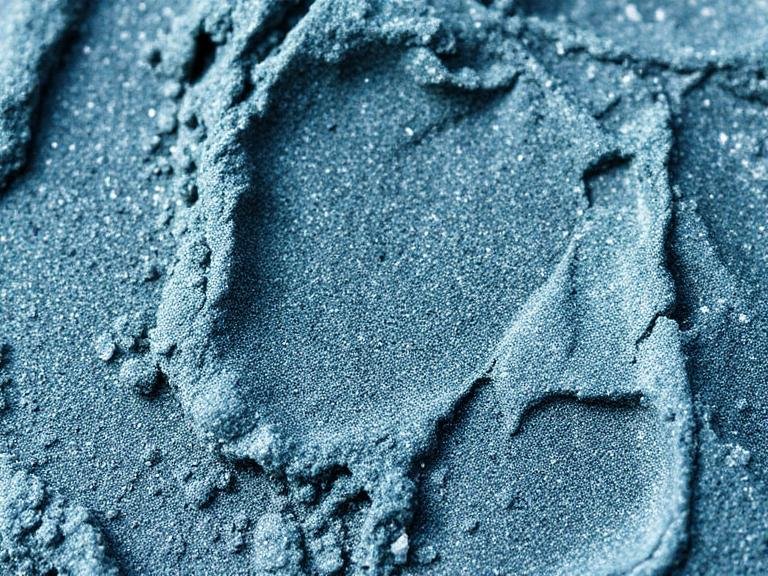
- Particle Size: Fine-grade mica powders (325-1250 mesh) offer better dispersion and surface finish, while coarser grades (20-100 mesh) provide greater reinforcement in thick-walled components.
- Surface Modification: Treat mica particles with silane or titanate coupling agents to improve compatibility with polar polymers like PA and PBT. This step enhances interfacial bonding and prevents filler aggregation.
Compounding Techniques
- Twin-Screw Extrusion: This method ensures uniform dispersion of mica flakes through intensive mixing and shear forces. Maintain processing temperatures 10-20°C below the polymer’s degradation point to preserve mica’s structural integrity.
- Masterbatch Dilution: For easier handling, pre-compound mica powder with a small portion of base resin to create a concentrated masterbatch. This approach reduces dust generation during feeding and improves metering accuracy.
- Injection Molding Parameters: Optimize melt temperature (typically 220-260°C for PA/mica composites) and injection speed to minimize shear-induced filler orientation. Higher mold temperatures (80-100°C) enhance crystallization in semi-crystalline polymers, improving mechanical properties.
Quality Control Measures
- Dispersion Analysis: Use microscopy or laser diffraction to verify uniform mica distribution. Agglomerates larger than 50μm can act as stress concentrators, reducing impact strength.
- Mechanical Testing: Regularly evaluate tensile, flexural, and impact properties per ASTM standards to ensure consistency across production batches.
- Thermal Analysis: Conduct differential scanning calorimetry (DSC) to monitor changes in glass transition temperature (Tg) or crystallization behavior, which may indicate improper processing.
Applications and Performance Benefits
Mica-reinforced plastics find widespread use across industries due to their balanced property profile. Key application areas include:
Automotive Components
- Under-the-Hood Parts: Air intake manifolds, engine covers, and coolant reservoirs benefit from mica’s heat resistance and dimensional stability.
- Exterior Trim: Door handles, mirror housings, and grille components achieve improved scratch resistance and UV stability when reinforced with mica.
- Interior Parts: Instrument panel substrates and door panels exhibit reduced warping and enhanced stiffness with mica loadings of 15-25%.
Electrical and Electronic Housing
Mica’s high dielectric strength (exceeding 200 kV/mm) and low dielectric loss make it ideal for:
- Circuit Breaker Enclosures: Withstands arc tracking and thermal shock in high-voltage applications.
- Connector Bodies: Maintains electrical insulation under sustained load conditions.
- LED Heat Sinks: Combines thermal conductivity with electrical isolation for efficient light management systems.
Consumer Goods
- Appliance Housings: Washing machine drums and refrigerator liners gain durability and noise reduction from mica reinforcement.
- Sporting Equipment: Tennis racket frames and bicycle components achieve higher strength-to-weight ratios with mica-filled composites.
- Packaging Materials: Drug bottles and food containers benefit from mica’s gas barrier properties, extending product shelf life.
Future Trends in Mica-Reinforced Plastics
As material science advances, new opportunities emerge for mica powder applications:
- Nanocomposites: Incorporating mica nanoparticles (10-100 nm) could further enhance mechanical properties while reducing filler content.
- Biodegradable Polymers: Mica’s mineral nature makes it compatible with PLA and PHA matrices, enabling eco-friendly reinforced materials.
- Smart Coatings: Functionalized mica flakes with temperature-sensitive pigments could create self-reporting thermal management systems.
By understanding the fundamental reinforcement mechanisms and optimizing processing techniques, manufacturers can unlock the full potential of mica powder in plastic applications. This versatile filler not only improves performance but also enables cost-effective solutions for demanding industrial requirements.