
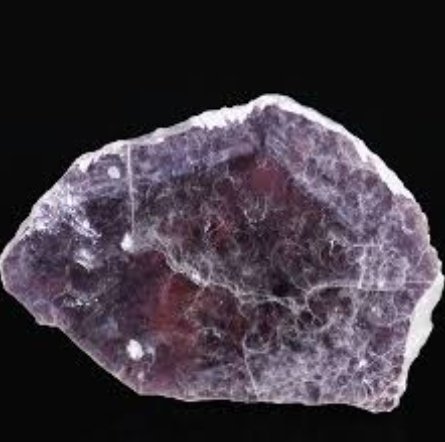
Selection of Cationic Collectors for Mica Ore Flotation
Mica ore flotation is a widely used mineral processing method that leverages the distinct physical and chemical properties of mica to separate it from gangue minerals. Among the various flotation techniques, the use of cationic collectors plays a pivotal role in achieving efficient mica recovery. This article delves into the selection of cationic collectors for mica ore flotation, exploring their types, mechanisms, and influencing factors.
Types of Cationic Collectors for Mica Flotation
Primary Amine Collectors
Primary amine collectors, such as dodecylamine (DDA), coconut oil amine, and stearyl amine, are extensively employed in mica flotation. These collectors exhibit strong electrostatic interactions with the negatively charged surfaces of mica minerals, leading to effective adsorption and hydrophobicity enhancement. For instance, in the flotation of lithium mica, DDA has demonstrated excellent performance, achieving high-grade lithium oxide (Li₂O) concentrates with satisfactory recovery rates. Studies have shown that DDA can selectively adsorb onto lithium mica surfaces, even in the presence of gangue minerals like quartz and feldspar, under acidic conditions.
Secondary and Tertiary Amine Collectors
Secondary and tertiary amine collectors, including dodecyl dimethylamine and hexadecyl trimethylammonium bromide, offer improved selectivity and flotation efficiency compared to primary amines in certain cases. These collectors can form more stable complexes with mica surfaces, enhancing their hydrophobicity and facilitating better separation from gangue minerals. For example, the use of hexadecyl trimethylammonium bromide in combination with DDA has been reported to significantly improve the grade and recovery of lithium mica concentrates, particularly when dealing with low-grade ores.
Ether Amine Collectors
Ether amine collectors, characterized by the presence of ether linkages in their molecular structure, exhibit unique adsorption properties on mica surfaces. These collectors can effectively interact with both the polar and non-polar regions of mica minerals, leading to enhanced flotation performance. Ether amines are particularly useful in cases where traditional amine collectors fail to achieve satisfactory results due to complex mineralogical compositions or challenging flotation conditions.
Mechanisms of Cationic Collectors in Mica Flotation
Electrostatic Adsorption
The primary mechanism by which cationic collectors interact with mica surfaces is electrostatic adsorption. Mica minerals, such as muscovite and biotite, possess negatively charged surfaces due to the dissociation of surface hydroxyl groups or the adsorption of anions from the surrounding solution. Cationic collectors, being positively charged, are attracted to these negatively charged surfaces, forming a monolayer or multilayer adsorption film that enhances the hydrophobicity of mica particles. This, in turn, facilitates their attachment to air bubbles during flotation, leading to effective separation from gangue minerals.
Chemical Bonding
In addition to electrostatic adsorption, cationic collectors can also form chemical bonds with mica surfaces through various interactions, such as hydrogen bonding, van der Waals forces, and coordinate covalent bonding. These chemical interactions contribute to the stability and selectivity of the collector adsorption on mica surfaces, further improving flotation performance. For example, the amino groups in amine collectors can form hydrogen bonds with the oxygen atoms on mica surfaces, enhancing their adsorption strength and selectivity.
Steric Hindrance and Synergistic Effects
The molecular structure of cationic collectors can also influence their flotation performance through steric hindrance and synergistic effects. Collectors with bulky side chains or functional groups can create steric barriers that prevent the adsorption of unwanted gangue minerals, thereby improving selectivity. Moreover, the combination of different types of cationic collectors or the use of mixed collector systems can produce synergistic effects, enhancing the overall flotation efficiency. For instance, the combination of primary and secondary amines has been reported to improve the flotation recovery and grade of lithium mica concentrates by optimizing the adsorption behavior and surface properties of mica particles.
Factors Influencing the Selection of Cationic Collectors
Mineralogical Composition of Mica Ore
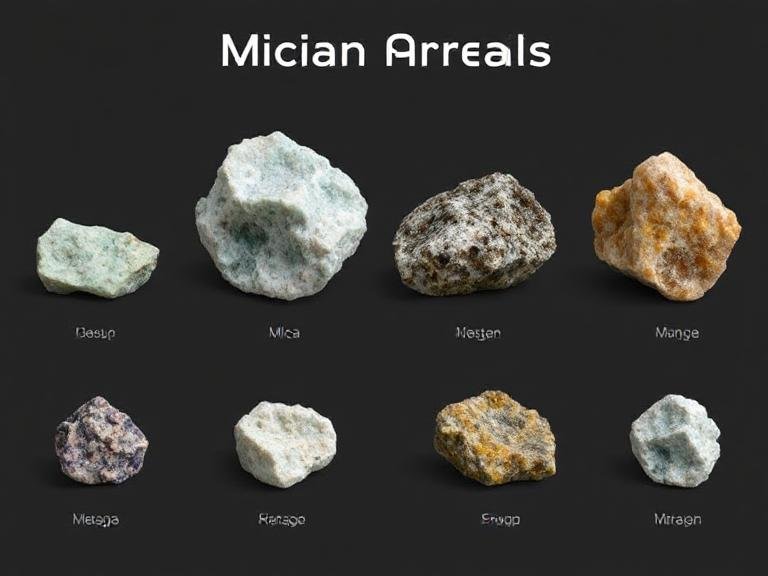
The mineralogical composition of mica ore plays a crucial role in determining the appropriate cationic collector for flotation. Different mica minerals, such as muscovite, biotite, and phlogopite, exhibit varying surface properties and reactivity towards different collectors. Therefore, it is essential to conduct detailed mineralogical analyses of the ore to identify the dominant mica species and their associated gangue minerals. This information can guide the selection of a suitable cationic collector that can effectively separate mica from gangue under specific flotation conditions.
Flotation Conditions
Flotation conditions, including pH, temperature, pulp density, and agitation speed, can significantly impact the performance of cationic collectors in mica flotation. For example, the adsorption behavior of cationic collectors on mica surfaces is highly pH-dependent. Under acidic conditions, the positive charge density on mica surfaces increases, enhancing the electrostatic interaction with cationic collectors. Conversely, under alkaline conditions, the negative charge density on mica surfaces may decrease, affecting the adsorption of cationic collectors. Therefore, it is crucial to optimize the flotation conditions to maximize the adsorption and flotation performance of cationic collectors.
Environmental and Economic Considerations
In addition to technical factors, environmental and economic considerations also play a vital role in the selection of cationic collectors for mica flotation. The toxicity, biodegradability, and cost-effectiveness of collectors are important factors that need to be evaluated. Environmentally friendly collectors with low toxicity and high biodegradability are preferred to minimize the environmental impact of flotation operations. Moreover, the cost-effectiveness of collectors, including their purchase cost, dosage requirements, and potential for recycling and reuse, should also be considered to ensure the economic viability of the flotation process.